
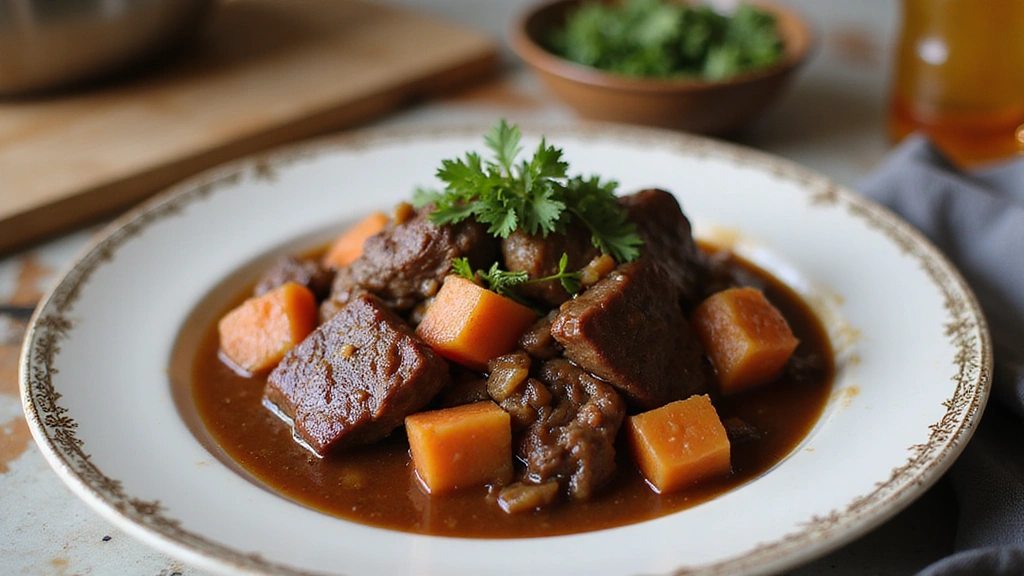
Tender beef stew is the quintessential comfort food that warms both the body and soul.
With its rich, savory flavors and melt-in-your-mouth meat, it’s a dish that brings people together around the dinner table.
I fondly remember my grandmother’s kitchen, where the aroma of slow-cooked beef and vegetables filled the air on chilly evenings.
Whether served on a cold winter night or at a family gathering, this stew is sure to create lasting memories.
The History and Cultural Significance
• Tender Beef Stew Meat Recipes trace their origins to Europe, especially in regions like France and Ireland, where hearty meals were essential for sustenance during harsh winters.
• The dish evolved over decades as different cultures embraced local ingredients and cooking methods, eventually becoming the beloved version we know today.
• In Ireland, this dish traditionally appears on St. Patrick’s Day and during family gatherings, symbolizing warmth and togetherness.
• While many variations exist across different regions, the authentic version maintains the use of slow-simmered beef and root vegetables that set it apart from imitations.
Recommended Products

One boneless beef stew meat trimmed and cut into cubes weighing between 0.5 and 1.65 pounds

Meets standards for animal welfare, feed, and more, so you can know about what you're buying (and eating)

ORGANIC, GRASS-FED, REGENERATIVE: Our stew steak meat is USDA Organic, 100% grass-fed & finished, sourced from regenerative farms, verified by Land to Market,100% pasture-raised, free range, humanely raised with no feedlots EVER. Always fresh, never frozen. Non GMO and never contains antibiotics or added growth hormones. Always fresh, never frozen.


Recipe Overview
Recommended Products

Includes one 15 ounce tray of hearty, wholesome beef roast smothered in au jus and savory sauce.

Delicious, hearty beef stew made easy
Nutritional Information (per serving)
Recommended Products

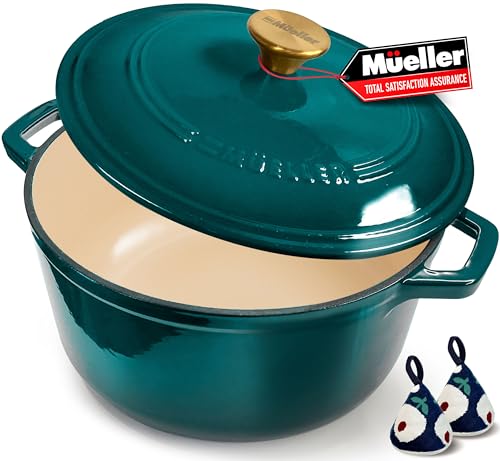
PRE-SEASONED CAST IRON: 7-quart heavy-duty dutch oven pot with lid and dual side handles for easy lifting and maneuvering

【Airtight Lid Locks In Freshness & Flavor】Experience the magic of this Dutch oven with lid, precision-engineered to create a tight seal. It locks in moisture and essential nutrients, delivering richer flavor and incredibly tender, juicy results in every dish—from slow-braised meats to hearty soups. Achieve a perfect, crispy crust on your artisan loaves—it's the ultimate Dutch oven for bread baking. The interior self-basting dots continuously redistribute condensation, ensuring your food stays perfectly moist, never dry or mushy


Ingredients
Recommended Products

Temperature Range: 140° to 190°F / 60° to 87°C. Probe Length: 4.75-inches Dial Diameter: 2.375-inches

Instant Read Food Thermometer | Our instant read thermometer features a temperature probe and advanced, highly accurate technology with 1-2 seconds response time; Instructions, meat temperature chart, comes pre-calibrated for your convenience, and recalibrating feature if needed.

No More Guesswork During Your Chill Cooking Time - professional digital thermometer devotes every beginner to becoming a prof! A good helper both in outdoor BBQ and Home party, It is the best gift for cooking enthusiasm and the useful kitchen gadget for festival meals

Essential Equipment Guide
Heavy-Bottomed Dutch Oven: This cookware is essential for even heat distribution, preventing burning while allowing for the slow simmering that tenderizes the beef. Look for one with a tight-fitting lid to trap moisture and flavors.
Wooden Spoon: A sturdy wooden spoon is important for stirring without scratching your pot. It also provides a comfortable grip for mixing ingredients thoroughly.
Meat Thermometer: This tool is crucial for ensuring the beef is cooked to the perfect temperature. Choose a digital thermometer for quick and accurate readings to avoid overcooking.
Recommended Products

Campbell's Condensed Vegetable Beef Soup is low in cholesterol

Includes one 38 ounce can of hearty stew made with real chunks of beef, potatoes, and carrots

DINTY MOORE Beef Stew: 10g of protein per serving
Preparation Methods
Browning the Meat: This technique involves cooking the beef cubes in hot oil until they develop a caramelized crust. This enhances the stew’s flavor through the Maillard reaction. Ensure the meat is dry before adding to the pot to achieve a good sear.
Sweating the Vegetables: This technique is about cooking the vegetables gently in fat without browning them. It draws out their natural sugars and flavors, creating a base for the stew. Stir frequently to prevent sticking and ensure even cooking.
Deglazing: This involves adding liquid to the pot after browning the meat to lift the flavorful bits stuck to the bottom. It’s essential for building depth in the stew. Use a wooden spoon to scrape up any browned bits while the liquid simmers.
Recommended Products

One Boneless Angus Beef Stew Meat weighing between 0.75 and 2 pounds
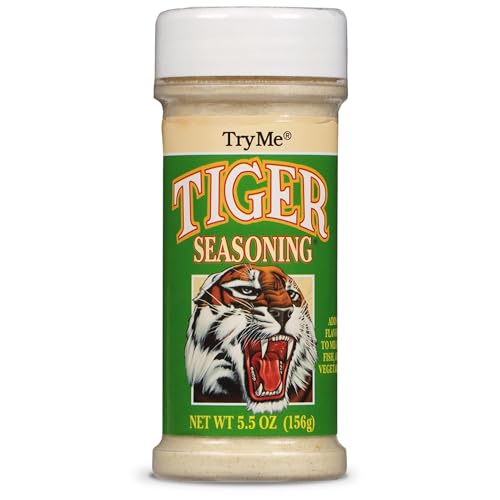
Mildly Spicy - Use this zesty, exotic Tiger Seasoning before, during, and after cooking! Just sprinkle on food or season to taste. Perfect for adding to melted butter and brushing onto beef, poultry or seafood

QUANTITY & QUALITY - With each resealable pouch containing the equivalent of 2 lbs of fresh beef, you can enjoy a generous amount of meat that will taste as fresh & delicious as the day it was packaged.


Step 1: Prepare Ingredients
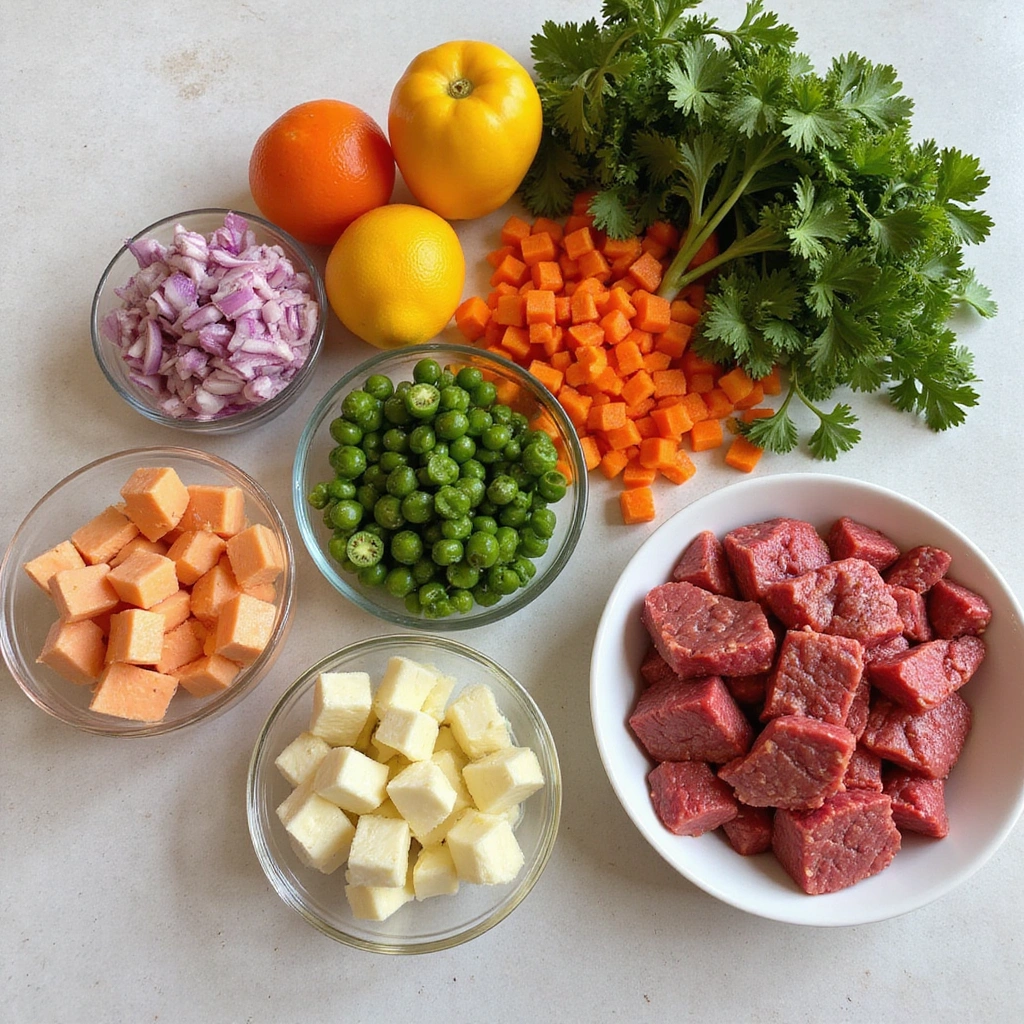
Gather all the ingredients on your countertop.
Make sure to wash and chop the vegetables as needed.
Cut the beef into 1-inch cubes, ensuring uniform size for even cooking.
Place the prepared ingredients nearby for easy access during cooking.
Recommended Products

Tasty blend of black pepper, paprika and time to make a hearty, homemade beef stew


Includes one 15 ounce tray of hearty, wholesome beef tips smothered in thick gravy.


Step 2: Brown the Beef
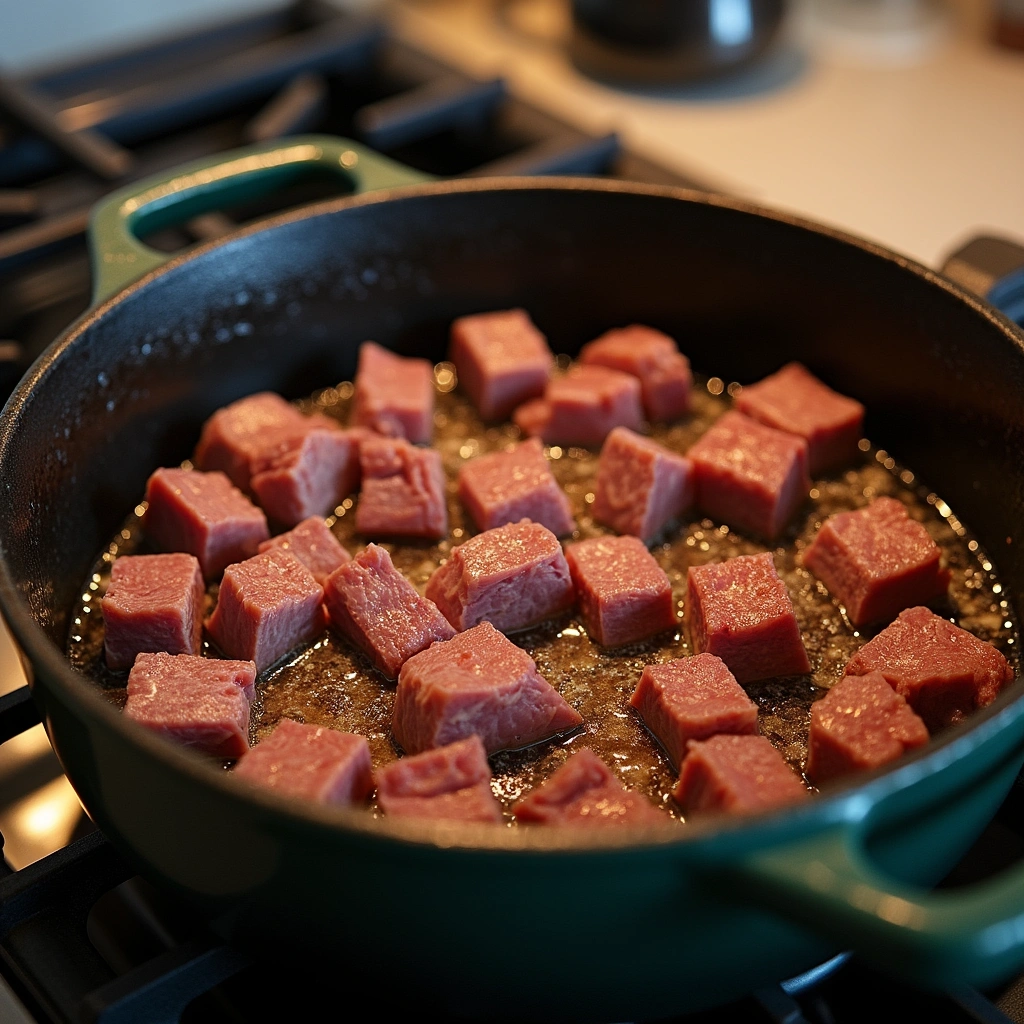
Heat the olive oil in a heavy-bottomed Dutch oven over medium-high heat.
Once the oil is shimmering, add the beef cubes in a single layer.
Sear the meat for 4-5 minutes on each side until a golden-brown crust forms.
Avoid overcrowding the pot to ensure proper browning.
Recommended Products

Even Heat Distribution Retention: This Umite Chef Dutch oven Made with heavy-duty enameled cast iron, ensures even heat distribution for perfect searing and slow cooking, locking in flavors. thickened walls lock in heat for slow braising, searing, and baking. Unlike thin pots that scorch food, this professional-grade Enameled cast iron potSuperior heat retention after preheating (allow 5-7 mins for even distribution). CRITICAL: Always cool naturally for 45+ mins before cleaning. Thermal shock (hot-to-cold contact) cracks enamel. USE TIP: Preheat 2-3 mins on medium-low only

【Airtight Lid Locks In Freshness & Flavor】Experience the magic of this Dutch oven with lid, precision-engineered to create a tight seal. It locks in moisture and essential nutrients, delivering richer flavor and incredibly tender, juicy results in every dish—from slow-braised meats to hearty soups. Achieve a perfect, crispy crust on your artisan loaves—it's the ultimate Dutch oven for bread baking. The interior self-basting dots continuously redistribute condensation, ensuring your food stays perfectly moist, never dry or mushy

Even Heat Distribution Retention: This Dutch oven Made with heavy-duty enameled cast iron, ensures even heat distribution for perfect searing and slow cooking, locking in flavors. thickened walls lock in heat for slow braising, searing, and baking. Unlike thin pots that scorch food, this professional-grade Enameled cast iron pot maintains steady temperatures

Step 3: Sweat the Vegetables
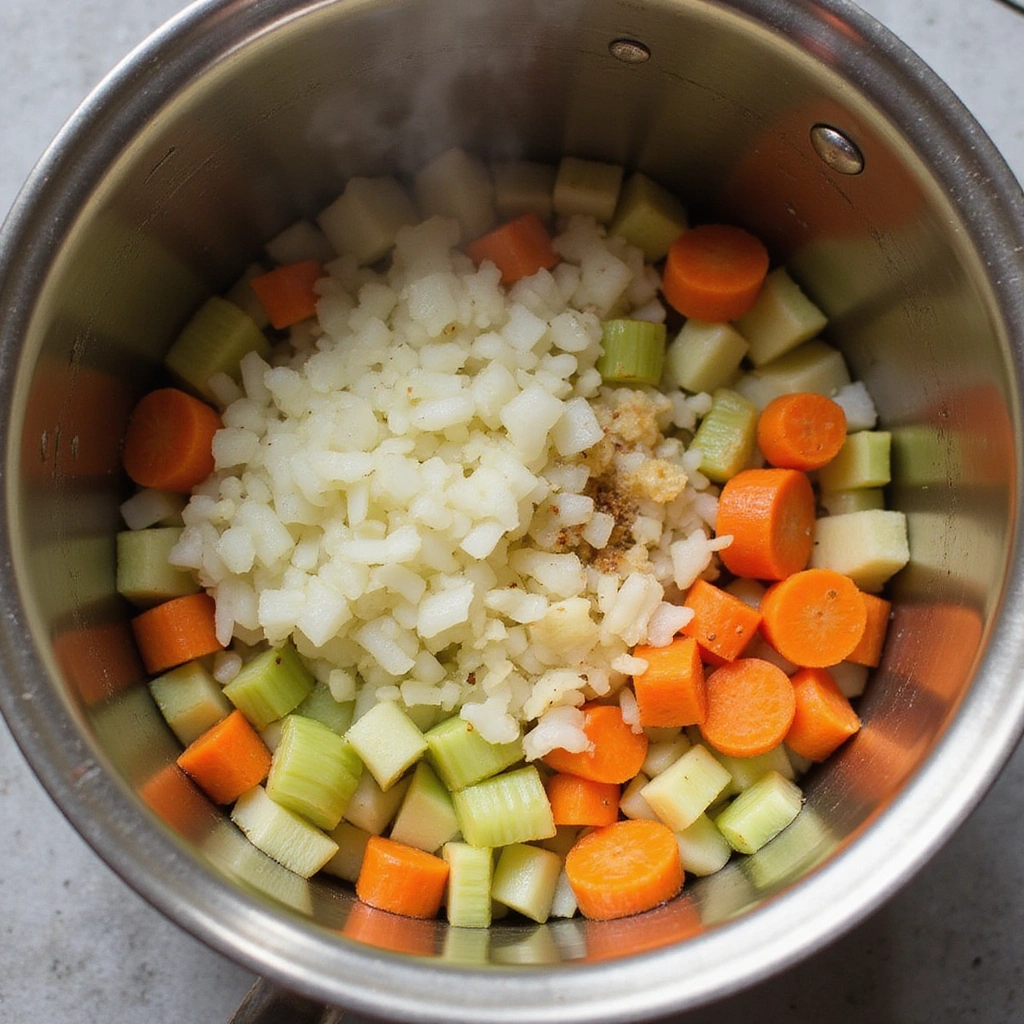
Remove the browned beef from the pot and set aside.
In the same pot, add the diced onion, carrots, and celery.
Cook over medium heat for about 5-7 minutes until the vegetables are softened and fragrant.
Stir frequently to prevent any browning.
Recommended Products

ALWAYS READY, ZERO BATTERY -- Analog bimetallic probe design with no batteries, no charging, no electronics to fail. Unlike digital instant-read or wireless Bluetooth probes that die mid-roast, this mechanical probe thermometer is ready the moment you need it -- every single time. One-time investment, lifetime of hassle-free cooking.
Cook mode with USDA preset temperature settings: TempPro cooking thermometer ideal for meat, oven, smoker or stove top; Programmable alert with preset temperatures for specific foods recommended by USDA; All of the preset temps can be reset to your desired tastes

【Ultra-Fast & Precision Accurate】This meat thermometer digital delivers accurate readings within ±1°F/±1°C in just 1–2 seconds, with a wide temperature range of -58°F to 572°F (-50°C to 300°C). No more waiting over the heat - know your food's exact temperature instantly.

Step 4: Deglaze the Pot
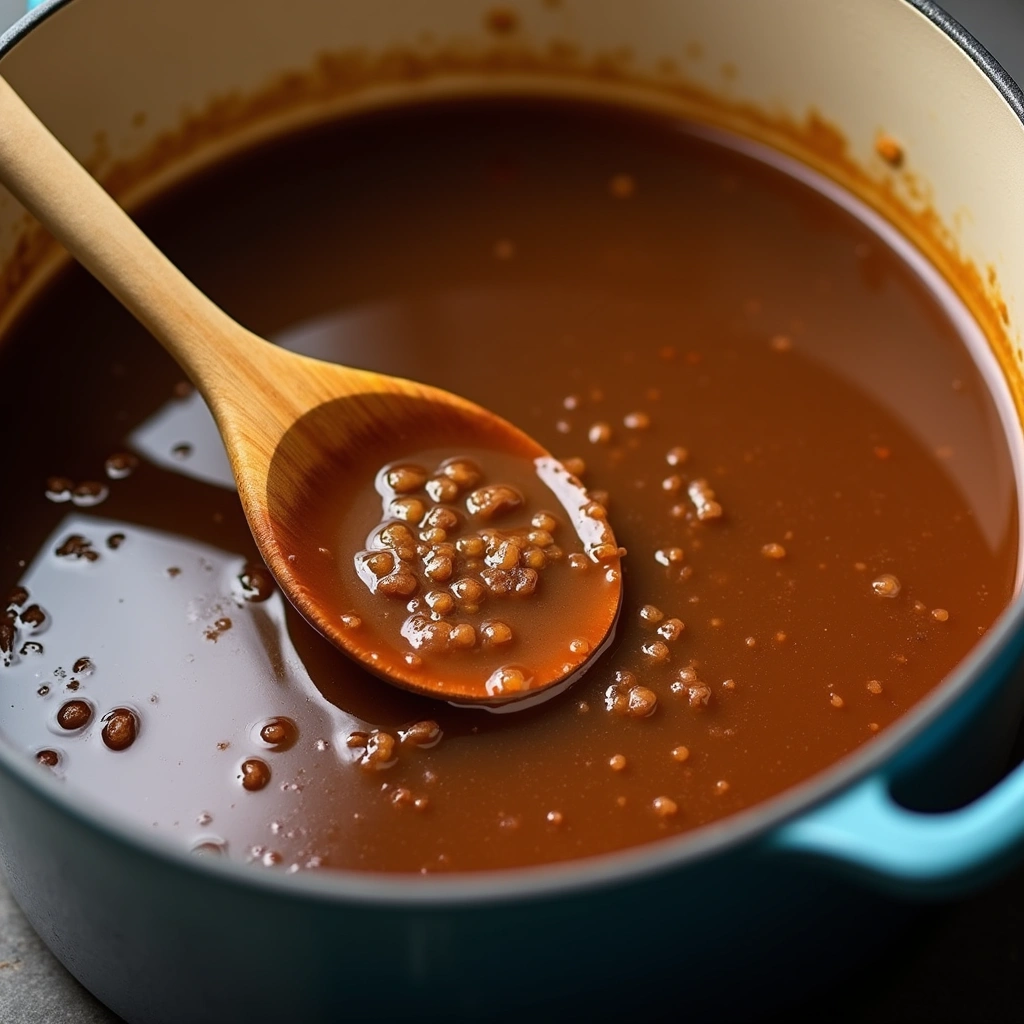
Pour in a cup of beef broth, scraping the bottom of the pot with a wooden spoon.
This will lift the browned bits and incorporate them into the stew.
Allow the liquid to simmer for a couple of minutes to reduce slightly.
This step is crucial for building flavor in your stew.
Recommended Products

Includes twelve 15 ounce cans of DINTY MOORE Beef Stew 25%Less Sodium* made with real chunks of beef, potatoes, and carrots *than our regular beef stew


Convenient, no-measure, single-use pouches!


Step 5: Add Ingredients Back to the Pot
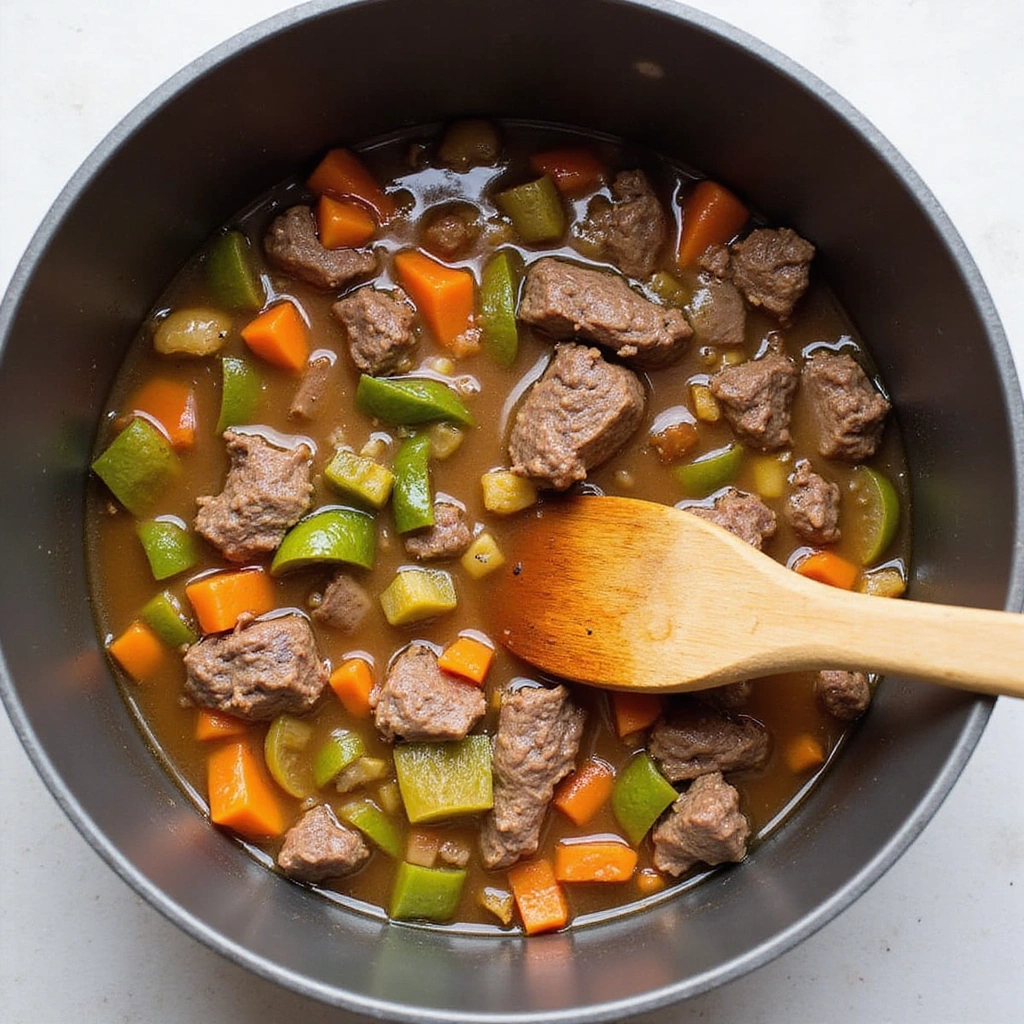
Return the browned beef to the pot along with the remaining beef broth.
Stir to combine all ingredients thoroughly.
Add the bay leaf, salt, pepper, and thyme for seasoning.
Make sure the beef is submerged in the liquid for even cooking.


Step 6: Bring to a Simmer
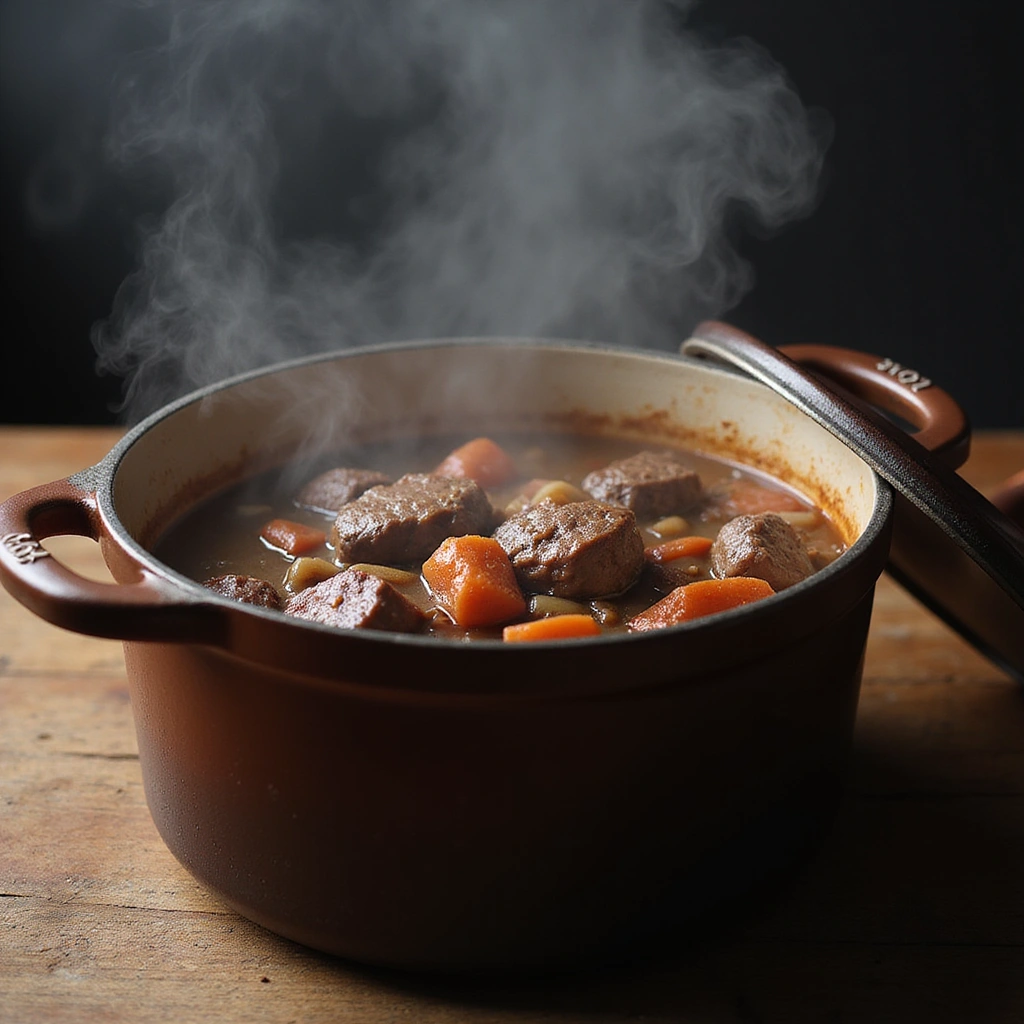
Cover the pot and bring the stew to a gentle boil over medium-high heat.
Once boiling, reduce the heat to low, allowing it to simmer softly.
Simmer the stew for about 2-3 hours, stirring occasionally.
Check that the beef is tender by occasionally testing with a fork.
Step 7: Add Potatoes
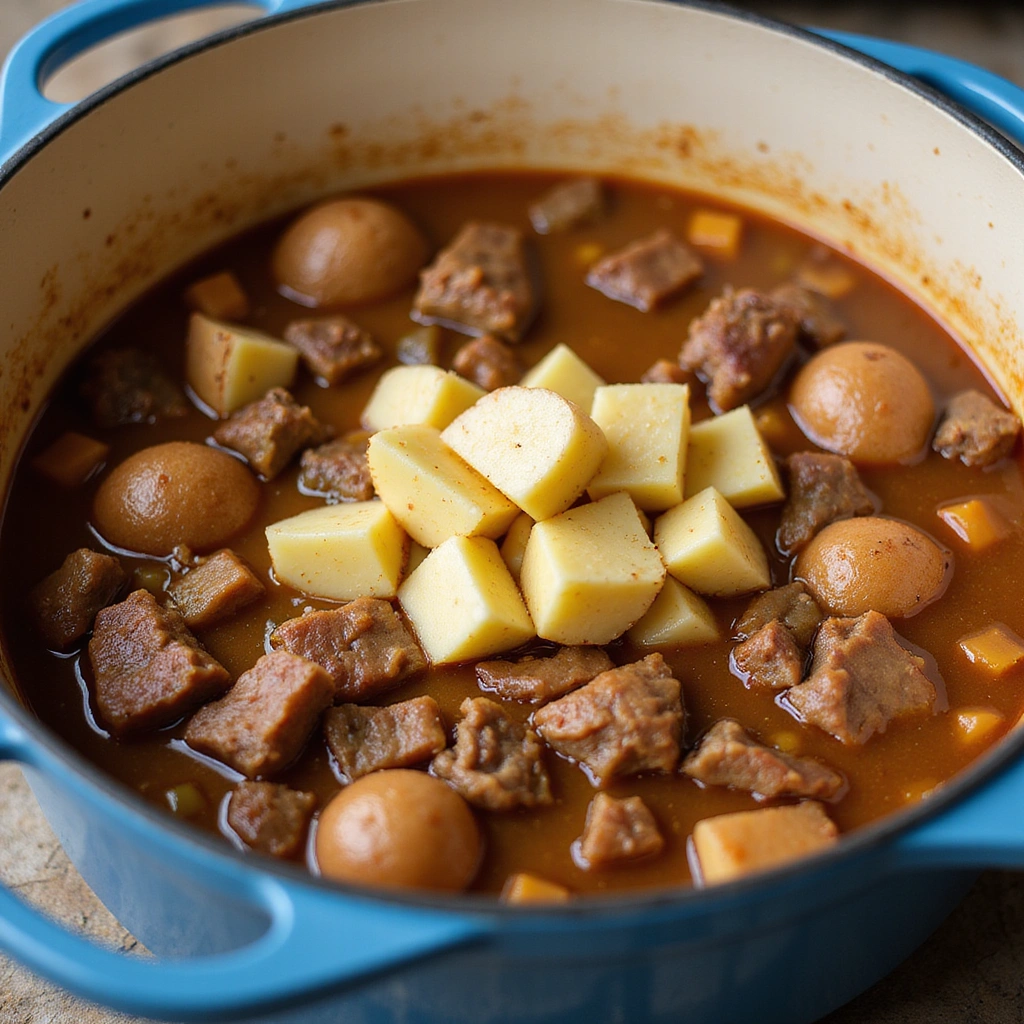
After 1.5 hours of simmering, add the cubed potatoes to the pot.
Stir gently to incorporate them without breaking apart.
Continue to simmer for the remaining time until the potatoes are tender.
Taste and adjust seasonings as needed.
Step 8: Final Seasoning and Serving
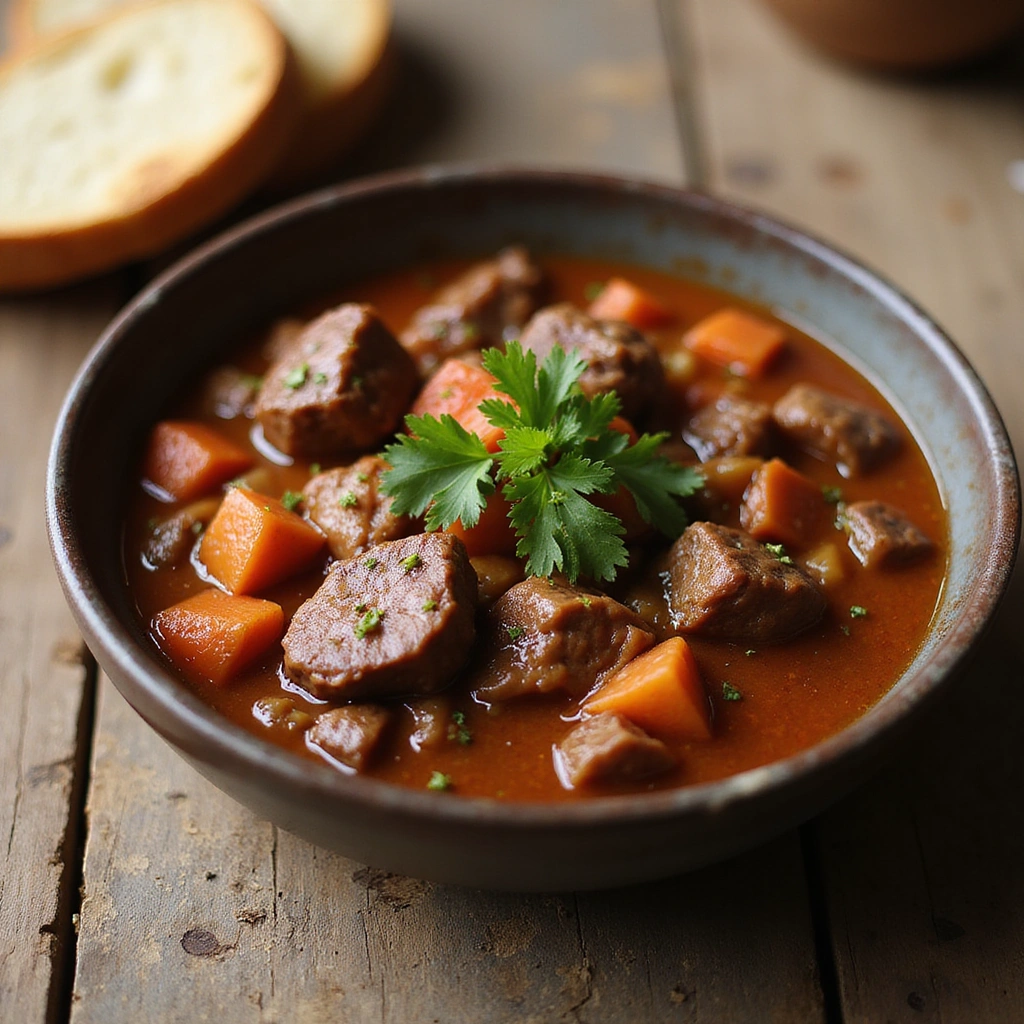
Once the beef and potatoes are tender, taste the stew for seasoning.
Adjust with more salt or pepper if necessary.
Remove the bay leaf before serving to avoid any bitterness.
Ladle the stew into bowls and enjoy with crusty bread.
Critical Timing and Temperature Guide
Browning the Meat: Browning should take about 10-15 minutes at medium-high heat. Look for a deep brown color on the meat. Avoid cooking too quickly or at too high a temperature to prevent burning.
Simmering: Maintain a low simmer for 2-3 hours. Look for gentle bubbles breaking the surface. Avoid boiling to ensure the meat tenderizes properly without toughening.
Vegetable Tenderness: Potatoes should be added after 1.5 hours and simmer for about 30-45 minutes. They should be fork-tender but not mushy. Check doneness by piercing with a fork.
Pro Tips for Tender Beef Stew Meat Recipes
• Ingredient Selection: Choose high-quality beef chuck for the best texture and flavor; it’s well-marbled for tenderness.
• Preparation Secret: Let the meat sit at room temperature for 30 minutes before cooking for even browning.
• Temperature Management: Ensure the Dutch oven is preheated properly before adding ingredients to maintain a consistent cooking temperature.
• Texture Enhancement: Use a fork to shred a small portion of meat back into the stew for a richer texture.
• Flavor Layering: Incorporate a splash of red wine during deglazing for added depth.
• Make-Ahead Strategies: Prepare the stew a day in advance; it tastes better after resting overnight in the fridge.
• Restaurant-Quality Finishing Touches: Garnish with freshly chopped parsley before serving for color and freshness.
• Equipment Optimization: Use a heavy-bottomed pot to prevent scorching and distribute heat evenly.

Troubleshooting Common Issues
• Texture Too Dense: This can happen if the stew is cooked too quickly. To fix this, add a bit more liquid and continue to simmer on low heat until the meat becomes tender.
• Flavors Unbalanced: If the stew tastes bland, it likely needs more salt or herbs. Taste as you go and adjust seasonings gradually.
• Too Watery: If the stew is too thin, remove the lid and simmer uncovered for the last 30 minutes to allow it to reduce and thicken.
• Beef Is Tough: This usually indicates undercooking. Continue to simmer until the meat becomes fork-tender, checking occasionally.
• Vegetables Overcooked: To prevent mushy vegetables, add heartier ones like potatoes later in the cooking process, typically after 1.5 hours.
Variations and Regional Differences
• Irish Beef Stew: This variation includes Guinness beer for a deeper flavor and often uses lamb instead of beef, offering a unique twist.
• French Beef Bourguignon: This version incorporates red wine and mushrooms, emphasizing a rich, complex flavor profile typical of French cooking.
• Italian Beef Stew: Often includes tomatoes and Italian herbs like basil and oregano, serving as a heartier meal with a Mediterranean twist.
• Modern Interpretations: Contemporary adaptations may use slow cookers or pressure cookers for convenience while maintaining traditional flavors.
Food Science Behind the Recipe
• Maillard Reaction: This chemical reaction occurs when browning meat, creating complex flavors and aromas that enhance the dish’s overall taste.
• Gelatinization: As the beef cooks slowly, the connective tissues break down and release gelatin, giving the stew a rich, velvety texture.
• Flavor Development: Slow cooking allows flavors to meld and intensify, resulting in a harmonious balance of savory and sweet notes.
Frequently Asked Questions
What’s the most common mistake people make when preparing Tender Beef Stew? The most common mistake is rushing the browning step, which is crucial for flavor development. Take your time to sear the meat properly.
Can I prepare components of this dish in advance? Yes, you can chop vegetables and brown the meat a day ahead. Store them separately in the fridge until you’re ready to cook.
How do I adapt this recipe for dietary restrictions? For gluten-free needs, ensure the broth is gluten-free and omit any flour-based thickening agents.
What’s the best way to store and reheat leftovers? Store leftovers in an airtight container in the fridge for up to 3 days. Reheat gently on the stove over low heat, adding a splash of broth if necessary.
Can I freeze this dish? Yes, beef stew freezes well. Allow it to cool completely before transferring to an airtight container. It can be frozen for up to 3 months.
What wine or beverages pair best with this dish? A robust red wine, like Cabernet Sauvignon or Merlot, complements the stew’s rich flavors beautifully.
How can I scale this recipe up for a crowd? Simply double the ingredients and ensure your pot is large enough to accommodate the increased volume, adjusting cooking times as necessary.
What side dishes complement this recipe best? Crusty bread or a simple green salad pairs well, offering a fresh contrast to the hearty stew.
How do professional chefs elevate this dish for restaurant service? Chefs often finish with a drizzle of high-quality olive oil or balsamic reduction for added richness and visual appeal.
Serving and Presentation Guide
• Traditional Presentation: Serve in rustic bowls with a sprig of fresh parsley on top, alongside crusty bread for dipping.
• Modern Plating Ideas: Plate the stew in a shallow bowl, adding a dollop of crème fraîche or a sprinkle of microgreens for a contemporary twist.
• Accompaniment Suggestions: Pair with a side of roasted vegetables or a fresh garden salad to enhance the meal.
• Special Occasion Presentation: For formal gatherings, serve in individual cast-iron skillets for a unique and rustic presentation.


Conclusion
I hope you find joy in making this tender beef stew at home.
The process may take some time, but the reward is a delicious, hearty meal that brings people together.
Enjoy each delicious bite and the warmth it brings to your table.