
Eating well is more than just a trend; it’s a way of life that can transform your health and well-being. As we become more aware of the profound impact that inflammation can have on our bodies, many of us are searching for ways to incorporate anti-inflammatory foods into our diets. That’s why I put together this collection of 15 anti-inflammatory vegetarian recipes. They’re not just delicious; they’re designed to support your health while making your meals exciting and satisfying.
If you’re someone who is looking to boost your health, reduce inflammation, or simply add more plant-based meals to your plate, you’re in the right place. This post is perfect for anyone who wants to indulge in nutritious vegetarian cooking while enjoying flavorful, healthy vegetarian dishes. No matter if you’re a seasoned vegetarian or just dipping your toes into the plant-based world, these recipes are crafted with you in mind.
What do you get from this guide? These plant-based anti-inflammatory meals are packed with inflammation-fighting foods that not only taste great but also serve your body well. You’ll discover a variety of recipes that are easy to prepare, perfect for meal prep, and guarantee to leave you feeling good inside and out. So, let’s dive into these mouthwatering dishes that will help you live a healthier lifestyle!
Key Takeaways
– Discover a variety of anti-inflammatory vegetarian recipes that are both delicious and nutritious.
– Gain insights into inflammation-fighting foods that can help improve overall health.
– Find easy-to-follow recipes that are perfect for meal prep and busy lifestyles.
– Explore different cuisines and flavors that make healthy eating exciting and enjoyable.
– Learn how to create plant-based anti-inflammatory meals that support wellness without sacrificing taste.
Recommended Products

Micro Ingredients offers a Turmeric Curcumin Complex made with turmeric root, ginger, and black pepper extracts. 300 coconut MCT oil softgels.

Micro Ingredients offers a 6-in-1 Pure Turmeric Curcumin 1,000mg Complex. A potent turmeric root extract with 95% active curcuminoids. 120 veggie capsules that feature raw, active ingredients with no fillers.

Micro Ingredients offers a 2 pack of 6-in-1 Pure Turmeric Curcumin 1,000mg complex. A potent turmeric root extract with 95% active curcuminoids. 240 total veggie capsules that feature raw, active ingredients with no fillers.
1. Turmeric Quinoa Salad
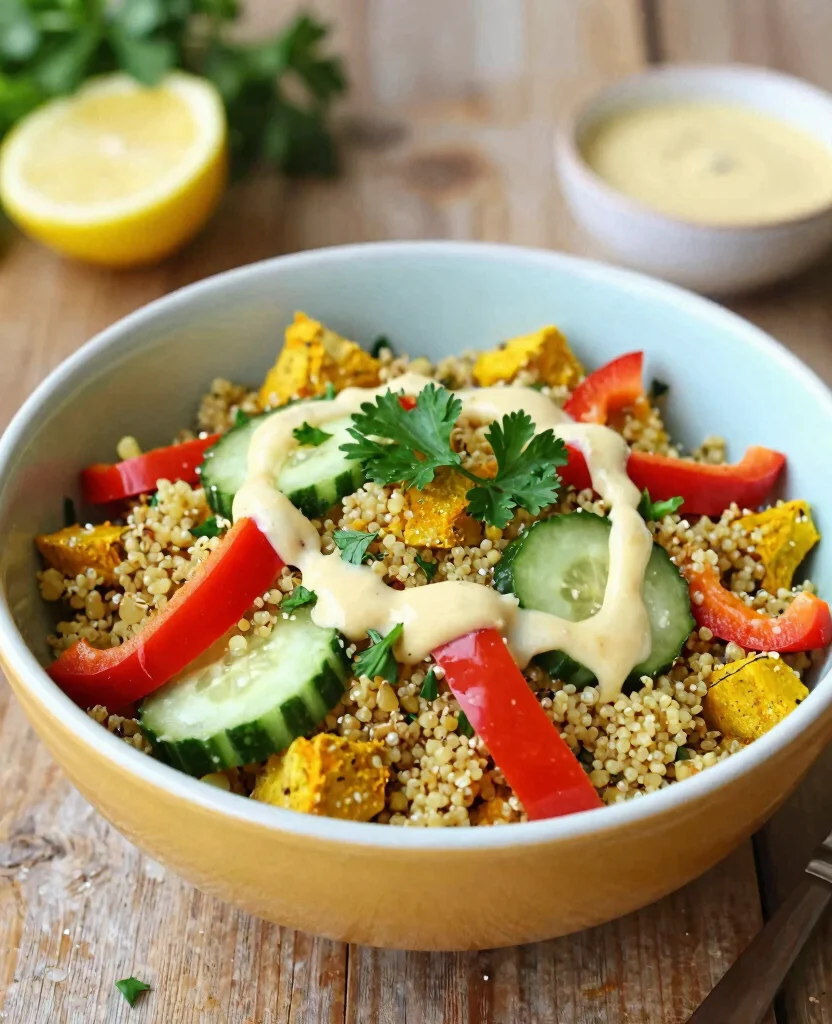
Craving a vibrant and nutritious meal? This Turmeric Quinoa Salad hits the spot with its colorful ingredients and zesty flavors. Packed with protein-rich quinoa and an array of fresh veggies, it’s a delightful dish that’s both healthy and easy to whip up, making it perfect for any meal of the day.
Quinoa serves as a fantastic base, while turmeric adds a golden hue and anti-inflammatory benefits. Toss in some crunchy veggies like red bell peppers and cucumbers, and you have a salad that’s not only beautiful but also bursting with flavor and nutrition.
Ingredients:
– 1 cup quinoa, rinsed
– 2 cups vegetable broth or water
– 1 teaspoon turmeric
– 1 red bell pepper, diced
– 1 cucumber, diced
– 1/2 cup parsley, chopped
– 1/4 cup tahini
– Juice of 1 lemon
– Salt and pepper to taste
Instructions:
1. In a pot, combine quinoa, vegetable broth, and turmeric. Bring to a boil, then reduce to a simmer for 15 minutes until quinoa is fluffy.
2. In a large bowl, mix the cooked quinoa with diced bell pepper, cucumber, and parsley.
3. In a separate bowl, whisk together tahini, lemon juice, salt, and pepper. Pour over the salad and toss to combine.
4. Serve chilled or at room temperature for a refreshing meal.
– Add chickpeas or avocado for extra creaminess and protein.
– This salad can be stored in the fridge for up to 3 days.
FAQs:
– Can I use brown rice instead of quinoa? Yes, but cooking time may vary.
– Is this salad suitable for meal prep? Absolutely! It holds up well in the fridge.
Recommended Products


2. Ginger Sweet Potato Soup
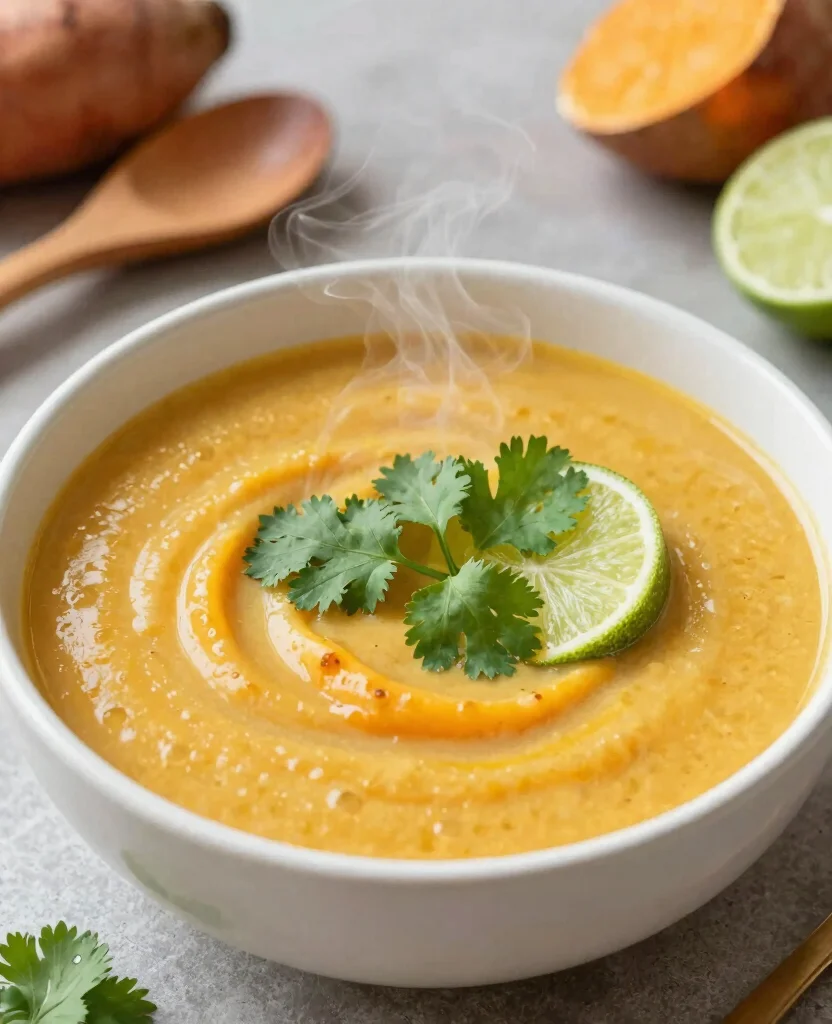
Looking for a cozy bowl of comfort? This Ginger Sweet Potato Soup is just the ticket! The natural sweetness of sweet potatoes combined with the zing of ginger offers a warm and satisfying flavor profile, perfect for chilly evenings.
This creamy soup is not only delicious but also packed with nutrients, making it a wholesome choice for a light dinner or lunch. Blending the ingredients results in a velvety texture that’s both soothing and filling.
Ingredients:
– 2 large sweet potatoes, peeled and diced
– 1 onion, chopped
– 2 cloves garlic, minced
– 1 tablespoon fresh ginger, grated
– 4 cups vegetable broth
– 1 can coconut milk (optional for creaminess)
– Salt and pepper to taste
Instructions:
1. In a large pot, sauté onion and garlic until translucent. Add grated ginger and cook for an additional minute.
2. Stir in the diced sweet potatoes and vegetable broth. Bring to a boil, then reduce heat and simmer for 20 minutes until sweet potatoes are tender.
3. Use an immersion blender to puree the soup until smooth. If using coconut milk, stir in and heat gently.
4. Season with salt and pepper. Serve hot with a sprinkle of chili flakes for a kick!
– Garnish with fresh cilantro and a squeeze of lime for an extra flavor boost.
– This soup freezes well, making it perfect for meal prep.
FAQs:
– Can I make this soup in advance? Yes, it’s perfect for meal prep!
– What can I substitute for coconut milk? You can use almond milk or omit it for a lighter version.
Recommended Products

ORGANIC FLAX & CHIA BLEND: One serving provides cold‑milled golden flaxseed meal and premium black chia seeds offering plant‑based Omega‑3s, lignans, fiber and essential nutrients to support overall wellness

GO TO SEED: For super nutrition, it’s time to go to seed. First, there's chia seed, which has a reputation for Omega-3. Next comes flax, also an Omega-3 dynamo. Lastly, hemp seeds give you essential fatty acids (EFAs) your body needs but doesn’t create.

Three Seeds Are All You Need: Organic chia seeds, organic ground flaxseed, and organic hulled hemp seeds in one convenient blend. We combined all three so you get the benefits of each without shopping for, measuring, or mixing them yourself
🥗 Fresh & Crisp Apple Cucumber Salad
Elevate your meals with this refreshing Apple Cucumber Salad recipe, perfect for a plant-based anti-inflammatory lifestyle!
3. Spicy Chickpea and Spinach Stew
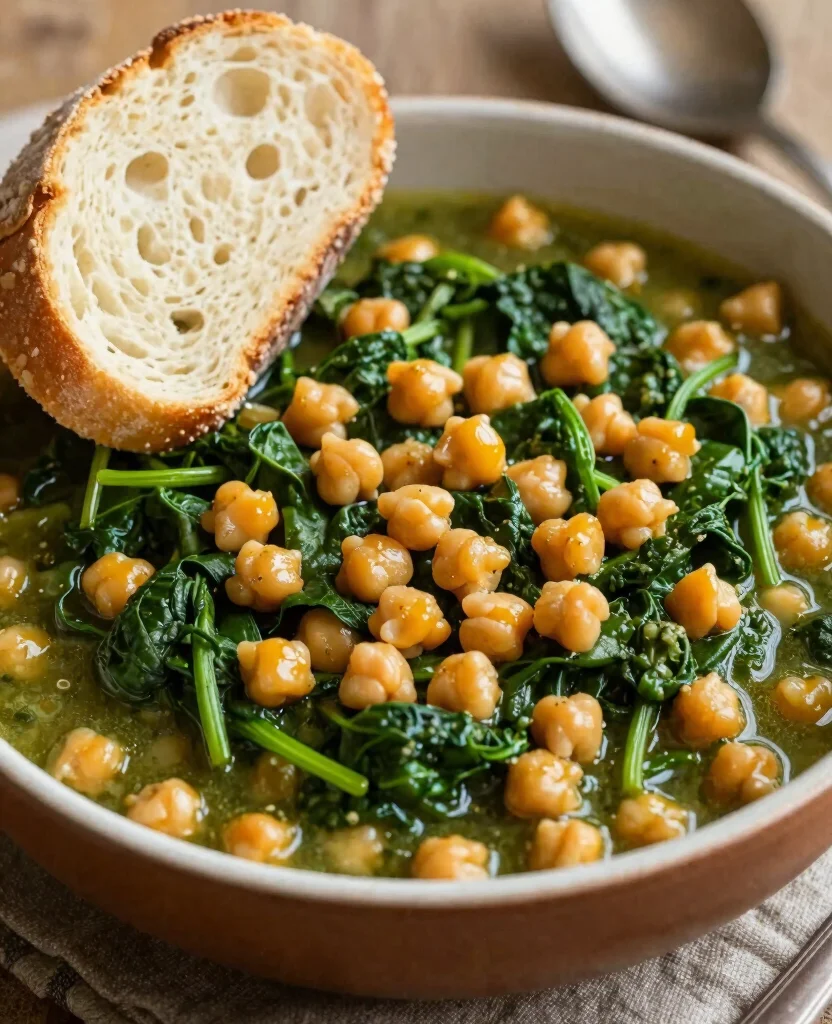
Are you ready to spice up your dinner routine? This Spicy Chickpea and Spinach Stew is bursting with Mediterranean flavors that will warm you from the inside out. Hearty chickpeas and vibrant spinach come together in a comforting broth that’s both nutritious and satisfying.
With the perfect balance of spices and textures, this dish is not only delicious but also quick to prepare, making it a fantastic weeknight meal option.
Ingredients:
– 1 can chickpeas, drained and rinsed
– 2 cups fresh spinach
– 1 onion, chopped
– 2 garlic cloves, minced
– 1 teaspoon cumin
– 1/2 teaspoon red pepper flakes
– 1 can diced tomatoes
– Salt and pepper to taste
– Olive oil for cooking
Instructions:
1. In a large pot, heat olive oil over medium heat. Sauté the onion and garlic until soft.
2. Add the cumin and red pepper flakes, cooking for an additional minute.
3. Stir in the chickpeas and diced tomatoes, simmer for 10 minutes.
4. Add the spinach and cook until wilted. Season with salt and pepper to taste.
5. Serve hot, with a slice of crusty bread to soak up the delicious broth.
– Add a squeeze of lemon juice just before serving for a bright, fresh flavor.
– This stew can easily be doubled for meal prep.
FAQs:
– Can I use frozen spinach? Yes, just thaw and drain excess water before adding.
– What can I serve with this stew? It pairs well with rice or quinoa for a complete meal.
Recommended Products

The information below is per can only

VEGETABLE SOUP MIX - used for many types of soups. Made from dried vegetables, with a great variety. You can use them to make yourself a wonderful soothing soup if you add water, or add more fresh ingredients or veggies.

All natural. Easy to pour. Reclosable. Rich, hearty goodness. Product of USA
4. Roasted Cauliflower Tacos
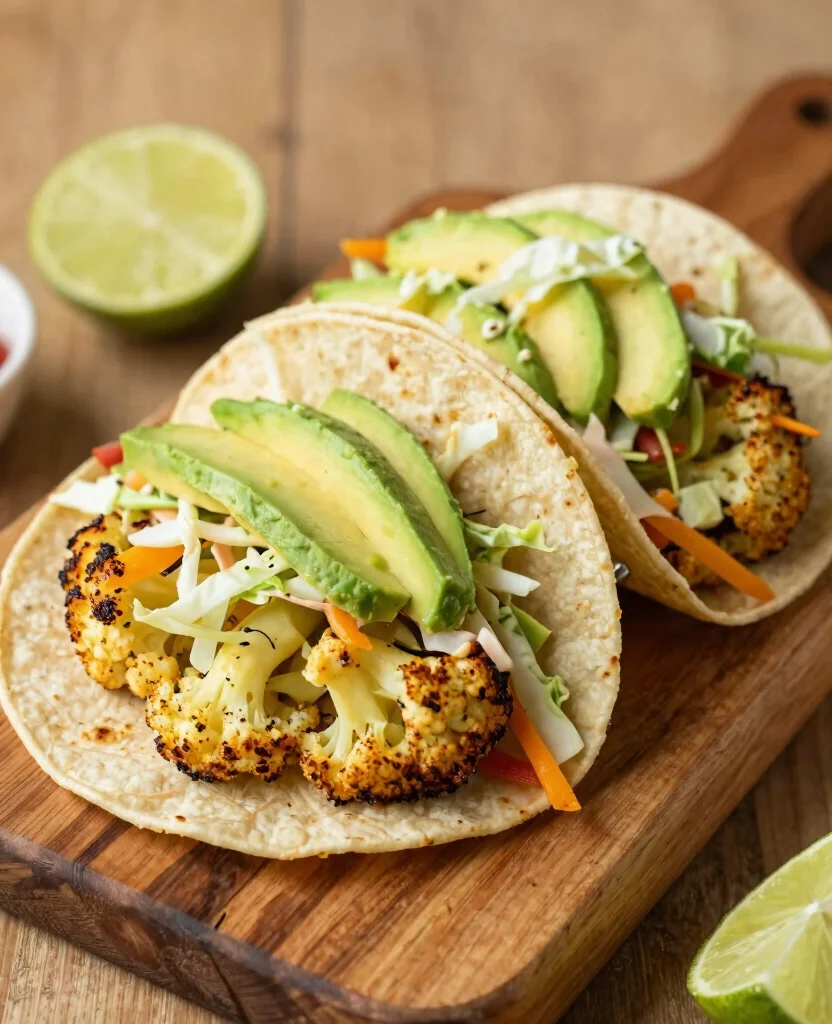
Taco night is about to get a delicious makeover with these Roasted Cauliflower Tacos! When roasted, cauliflower develops a tender, caramelized texture that pairs beautifully with fresh toppings like creamy avocado and crunchy cabbage. They’re simple to prepare and make for a fantastic meatless meal option.
These tacos are not just tasty; they’re also a great way to incorporate more vegetables into your diet while still enjoying a satisfying meal.
Ingredients:
– 1 head of cauliflower, cut into florets
– 1 tablespoon olive oil
– 1 teaspoon cumin
– 1 teaspoon paprika
– Salt and pepper to taste
– Corn tortillas
– 1 avocado, sliced
– 1 cup cabbage, shredded
– 1/2 cup plain yogurt (for crema)
– Juice of 1 lime
Instructions:
1. Preheat your oven to 425°F (220°C). Toss cauliflower florets with olive oil, cumin, paprika, salt, and pepper.
2. Spread the seasoned cauliflower on a baking sheet and roast for 20-25 minutes until golden and crispy.
3. While the cauliflower cooks, mix yogurt and lime juice in a bowl for the crema.
4. Warm the tortillas and assemble tacos with roasted cauliflower, avocado, cabbage, and a drizzle of lime crema.
5. Serve with lime wedges for extra zest!
– Add black beans for added protein and fiber.
– These tacos are easily customizable with your favorite toppings.
FAQs:
– Can I use flour tortillas instead? Yes, feel free to use any tortillas you prefer!
– How can I store leftovers? Keep the roasted cauliflower separate from the tortillas to maintain freshness.
Recommended Products

One 9 fl oz bottle of lemon herb tahini sauce

SAVORY MEDITERRANEAN FLAVOR MADE EASY: Creamy Soom tahini blended with aromatic Mediterranean-inspired herbs for a savory, herbaceous tahini sauce that adds balanced flavor to everyday meals you already make. With just one squeeze, add herby and savory depth to all kinds of dishes without the extra chopping, mixing, or cleanup.
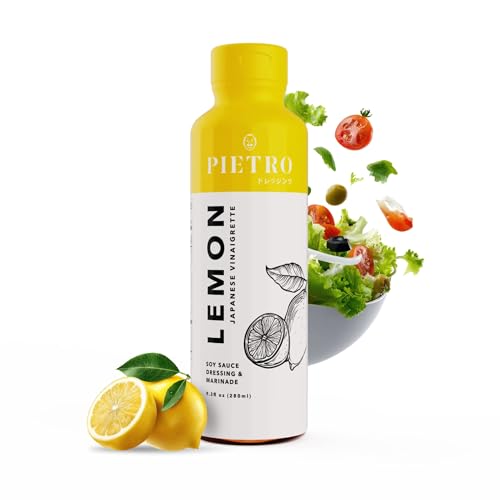
Bright Lemon Citrus Flavor – Made with lemon juice and lemon peel, this vinaigrette salad dressing offers a clean citrus taste with balanced acidity and a light umami profile. The refreshing flavor pairs well with everyday meals without overpowering other ingredients.
How To Choose Anti-Inflammatory Vegetarian Recipes
When looking to improve your health with anti-inflammatory vegetarian recipes, it’s essential to make thoughtful choices. Here’s how to select recipes that not only taste great but also help reduce inflammation in your body.
1. Focus on Key Ingredients
Start by identifying recipes that include inflammation-fighting foods. Look for ingredients like turmeric, ginger, leafy greens, nuts, and berries. These foods are known for their anti-inflammatory properties and can significantly benefit your overall health. For example, turmeric contains curcumin, a compound with strong anti-inflammatory effects. Incorporating these key ingredients into your meals can help you build a strong foundation for a healthier lifestyle.
2. Consider Nutritional Balance
A well-rounded meal should have a balance of carbohydrates, proteins, and fats. Ensure that your chosen recipes include a variety of vegetables, whole grains, legumes, and healthy fats. For instance, a quinoa salad with chickpeas, avocado, and colorful vegetables not only packs a punch in flavor but also provides essential nutrients. This balance helps sustain energy levels and keeps you feeling full longer.
3. Adapt to Your Dietary Needs
Consider any dietary restrictions or preferences you may have. If you’re lactose intolerant, look for recipes that use non-dairy alternatives. Similarly, if you follow a gluten-free diet, ensure your recipes are free of gluten-containing ingredients. Adapting recipes to your specific needs will make your meal prep enjoyable and sustainable in the long run. There are plenty of delicious meatless recipes available that cater to various dietary requirements.
4. Explore Cooking Methods
Different cooking methods can affect the nutritional value of your meals. Opt for methods like steaming, roasting, or grilling instead of frying. These techniques help retain nutrients in your ingredients and reduce unhealthy fats. For example, roasting vegetables can enhance their natural sweetness while keeping them nutritious. Experimenting with various cooking methods can also keep your meal prep exciting and fresh.
5. Start With Simple Recipes
If you’re new to cooking anti-inflammatory vegetarian dishes, begin with simple recipes. Look for dishes that require minimal ingredients and straightforward preparation steps. This will build your confidence in the kitchen. As you become more comfortable, gradually introduce more complex recipes. For example, start with a basic chickpea salad before trying a more elaborate curry or risotto. There’s no need to overwhelm yourself; taking it step-by-step makes cooking enjoyable.
6. Plan Ahead
Meal planning can save you time and stress during busy weeks. Choose recipes that can be made in advance and store well. Dishes like soups, stews, or grain bowls are perfect for meal prep. You can batch cook and store portions in the fridge or freezer, ensuring you always have a nutritious meal ready to go. Planning your meals also helps you stay on track with your healthy eating goals.
Pro Tip: Don’t hesitate to get creative! Mix and match ingredients from different recipes to suit your taste preferences. You might discover a new favorite combination that not only tastes great but also enhances your anti-inflammatory diet. Enjoy the process of cooking and make it a fun experience!
Recommended Products

ACTIVE LIFESTYLE SUPPORT: Helps support healthy joint mobility and comfort while promoting a healthy inflammatory response to keep you moving every day.*

Delivers 2,150mg of turmeric powder and 150mg of 25:1 turmeric extract (standardized to 95% curcuminoids) per serving

ORGANIC TURMERIC COMPLEX: This turmeric complex supplement features organic turmeric extract standardized for curcuminoids, combined with complementary botanicals to support a balanced inflammatory response and daily wellness.*
5. Beet and Avocado Salad
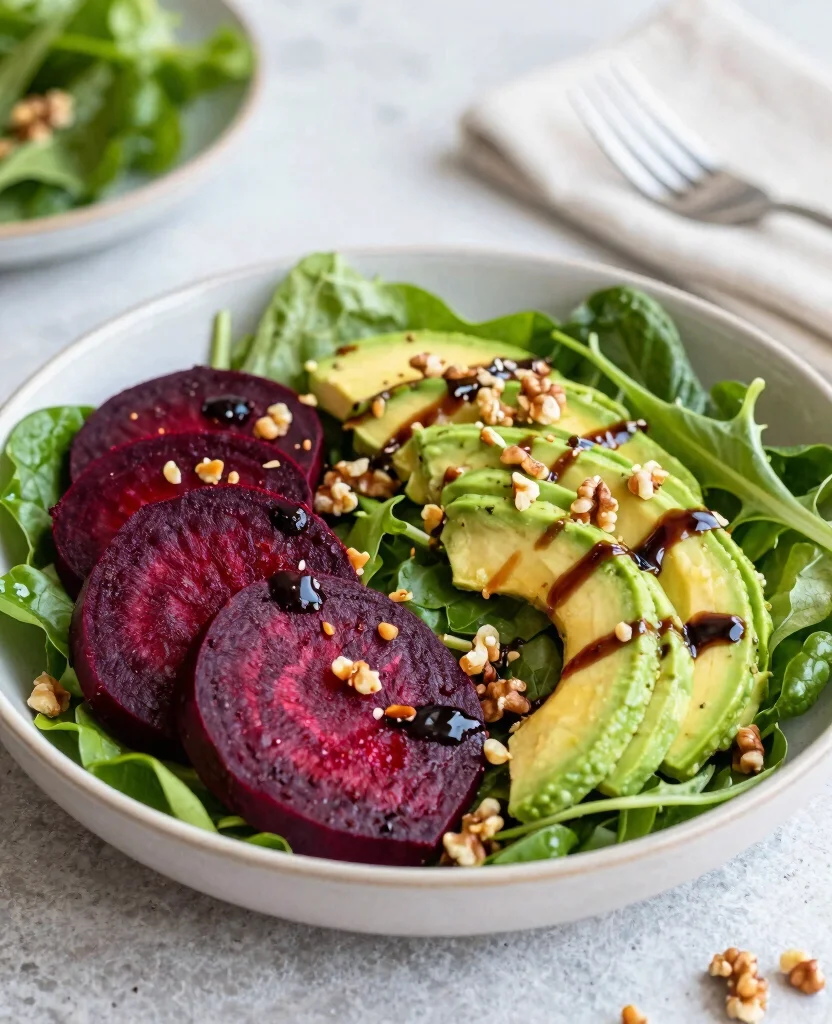
Ready to elevate your salad experience? This Beet and Avocado Salad combines the earthy sweetness of beets with creamy avocado for a refreshing and colorful dish. Tossed with mixed greens and a light vinaigrette, it’s not just delicious but also a feast for the eyes.
This salad is packed with nutrients and makes for a stunning centerpiece at any meal, whether it’s a casual lunch or a festive dinner.
Ingredients:
– 2 medium beets, roasted and sliced
– 1 avocado, sliced
– 2 cups mixed greens
– 1/4 cup walnuts, chopped
– 2 tablespoons olive oil
– 1 tablespoon balsamic vinegar
– Salt and pepper to taste
Instructions:
1. Preheat the oven to 400°F (200°C). Wrap beets in foil and roast for about 30 minutes until tender.
2. Once cool, peel and slice the beets. In a bowl, combine mixed greens, sliced beets, and avocado.
3. In a small bowl, whisk together olive oil, balsamic vinegar, salt, and pepper.
4. Drizzle the dressing over the salad and toss gently. Top with walnuts before serving.
– Add feta cheese for a salty contrast to the sweet beets.
– This salad can be made in advance; just keep the dressing separate until serving.
FAQs:
– Can I use canned beets? Yes, but fresh beets have a richer flavor.
– How can I make this salad heartier? Add quinoa or farro for extra substance.
Recommended Products


6. Zucchini Noodles with Pesto
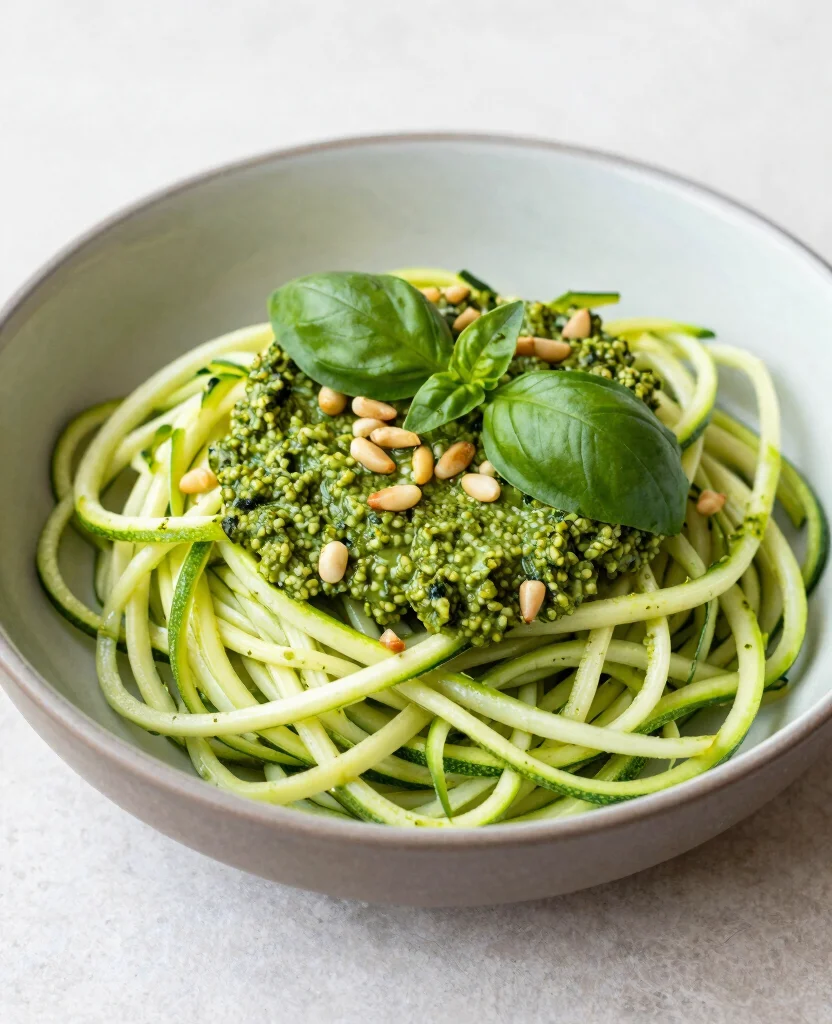
Looking for a light and fresh meal? These Zucchini Noodles with Pesto are the perfect answer! Zoodles are a fantastic low-carb alternative to traditional pasta, and when paired with homemade basil pesto, you get a dish that’s bursting with flavor and nutrition.
This quick recipe is ideal for a busy weeknight dinner or a refreshing lunch, making it a go-to for healthy eating.
Ingredients:
– 2 medium zucchinis, spiralized
– 1 cup fresh basil
– 1/4 cup pine nuts
– 1/4 cup olive oil
– 2 cloves garlic
– Salt and pepper to taste
– Parmesan cheese for serving (optional)
Instructions:
1. In a food processor, combine basil, pine nuts, garlic, olive oil, salt, and pepper. Blend until smooth to create the pesto.
2. In a large skillet, lightly sauté the spiralized zucchini for 2-3 minutes until just tender.
3. Toss the zoodles with pesto until well coated. Serve immediately with a sprinkle of parmesan cheese if desired.
– Use a mandoline for super-thin zoodles.
– Customize the pesto with different nuts or herbs if desired.
FAQs:
– Can I make the pesto in advance? Yes, it stores well in the fridge for a week.
– What can I add for protein? Grilled chickpeas or tofu are great additions!
Recommended Products

SUPPORTS DIGESTION DAILY: High in natural fiber to support regular digestion and help you feel balanced throughout the day as part of a healthy routine. Natural source of fiber and lignans to support digestive health and help promote your weight goals as part of a balanced diet.
![NatureWise Flaxseed Oil 1200 mg, Fish Free Omega 3 6 9 with 720mg ALA - CCOF Certified Organic Flaxseed Oil - Plant-Based Omega - Cold Pressed, Non-GMO - 60 Softgels[2-Month Supply]](https://m.media-amazon.com/images/I/418IEDIo4vL._SL500_.jpg)
MADE WITH ORGANIC FLAXSEED OIL - CERTIFIED BY CCOF: Our pure flaxseed oil ingredient is carefully extracted from organic, non-GMO flax seeds without hexane or added heat to preserve the delicate structure of the omega-3s.
![NatureWise Flaxseed Oil 1200 mg, Fish Free Omega 3 6 9 with 720mg ALA - CCOF Certified Organic Flaxseed Oil - Plant-Based Omega - Cold Pressed, Non-GMO - 240 Softgels[8-Month Supply]](https://m.media-amazon.com/images/I/41r8R2y8-JL._SL500_.jpg)
MADE WITH ORGANIC FLAXSEED OIL - CERTIFIED BY CCOF: Our pure flaxseed oil ingredient is carefully extracted from organic, non-GMO flax seeds without hexane or added heat to preserve the delicate structure of the omega-3s.
7. Garlic Lemon Green Beans
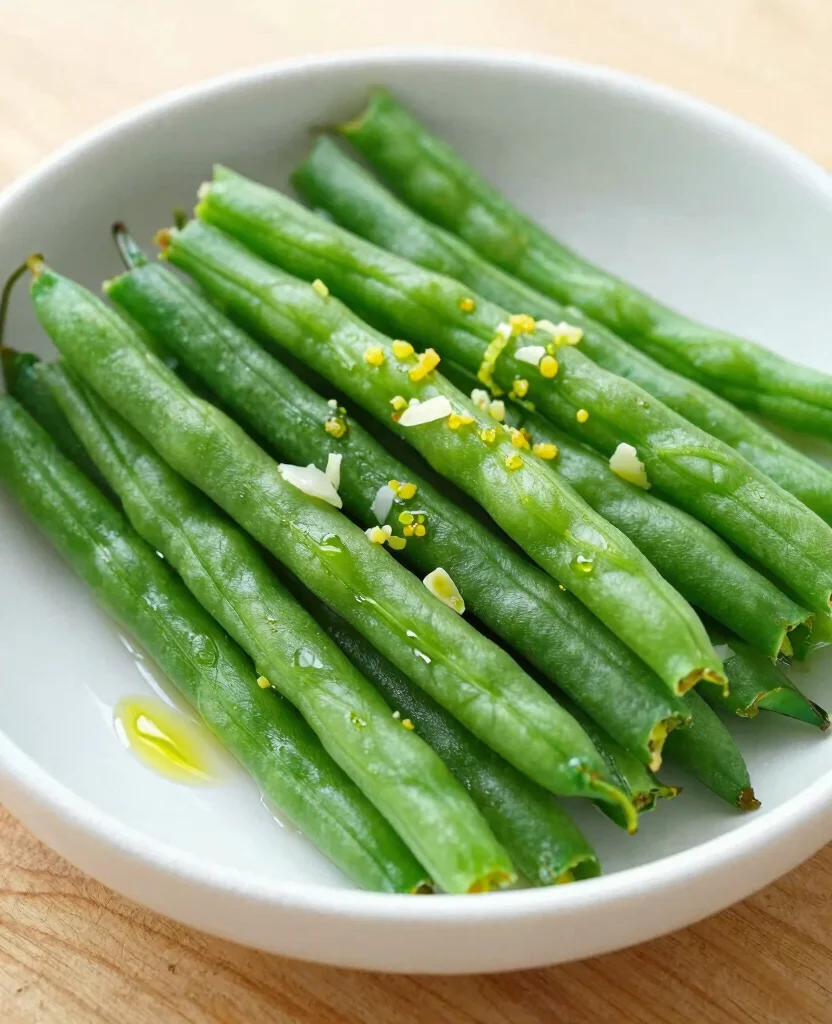
Need a quick and tasty side dish? These Garlic Lemon Green Beans will brighten up any meal! Crisp-tender green beans tossed with garlic and zesty lemon create a fresh and flavorful addition to your plate.
With a preparation time of just minutes, this dish is a fantastic way to increase your vegetable intake while enjoying a delicious taste.
Ingredients:
– 1 pound fresh green beans, trimmed
– 2 tablespoons olive oil
– 2 cloves garlic, minced
– Zest and juice of 1 lemon
– Salt and pepper to taste
Instructions:
1. In a large pot of boiling salted water, blanch green beans for 3-4 minutes until tender-crisp. Drain and rinse under cold water.
2. In a skillet, heat olive oil over medium heat. Add garlic and sauté until fragrant.
3. Toss in the green beans and sauté for an additional 2-3 minutes. Add lemon zest, juice, salt, and pepper before serving.
4. Enjoy these vibrant beans warm as a side to your meal!
– For extra flavor, add slivered almonds or sesame seeds for crunch.
– This dish can also be served cold as a refreshing salad.
FAQs:
– Can I use frozen green beans? Yes, just adjust the cooking time accordingly.
– What else can I add to this dish? Cherry tomatoes or red onion slices make great additions.
Recommended Products

Moroccan-Inspired Flavor: Sweet cinnamon, tangy sumac, and floral cardamom with earthy red lentils. Just Add Butter & Water: Or olive oil to keep it fully vegan. Ready in...
You might also like
8. Chickpea Salad Sandwich
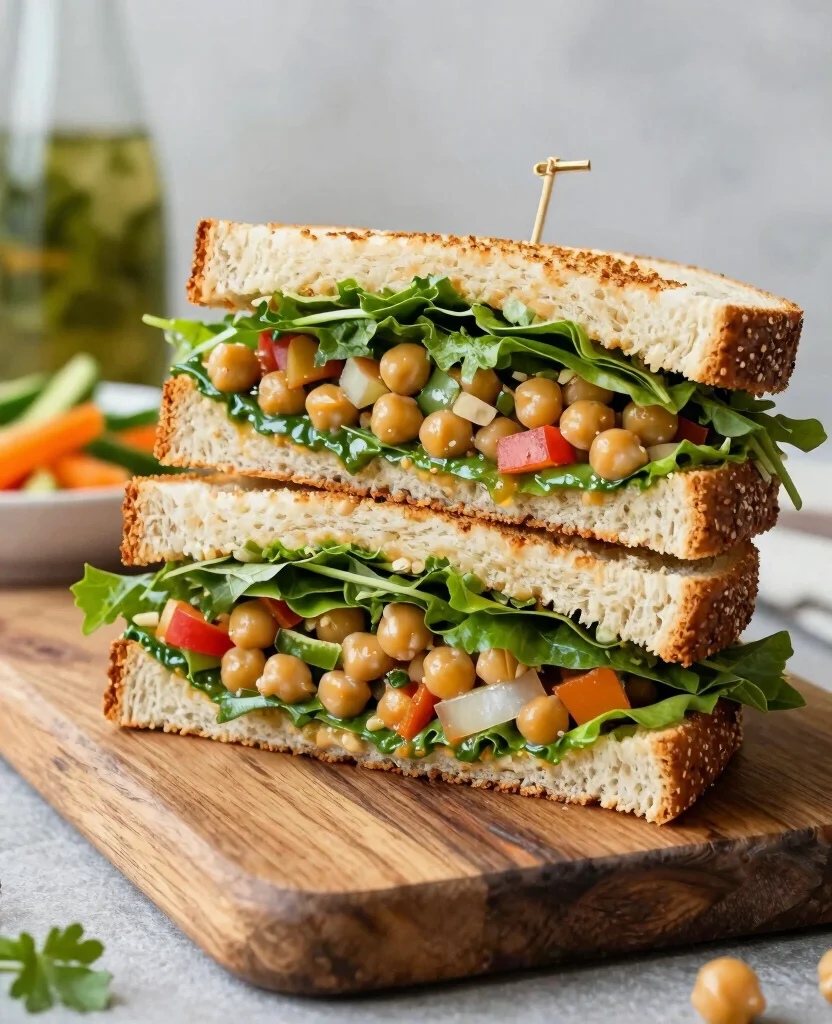
In need of a quick and satisfying lunch option? This Chickpea Salad Sandwich is your answer! With protein-packed chickpeas mashed and mixed with crisp veggies, creamy mayo, and zesty mustard, it’s a filling meal that’s perfect for any time of day.
This sandwich is not only delicious but also a fantastic alternative to traditional chicken salad, making it ideal for meal prep.
Ingredients:
– 1 can chickpeas, drained and rinsed
– 1/4 cup mayonnaise (or vegan mayo)
– 1 tablespoon Dijon mustard
– 1 celery stalk, diced
– 1/4 red onion, diced
– Salt and pepper to taste
– Whole grain bread for serving
Instructions:
1. In a bowl, mash chickpeas using a fork or potato masher until chunky.
2. Stir in mayonnaise, mustard, celery, red onion, salt, and pepper until well combined.
3. Serve the chickpea salad on whole grain bread with leafy greens, tomatoes, or sprouts.
4. Enjoy your nutritious and hearty sandwich for lunch!
– Add diced pickles or capers for extra flavor.
– This salad can be stored in the fridge for up to 3 days.
FAQs:
– Can I make this ahead of time? Yes, it’s perfect for meal prep!
– What can I serve it with? Pair it with a side of fresh veggies or a piece of fruit.
Fun fact: Chickpeas are packed with protein and fiber, making this chickpea salad sandwich a standout among anti-inflammatory vegetarian recipes. Swap mayo for Greek yogurt to cut calories, then meal-prep lunches in minutes for a tasty, week-long boost.
Recommended Products

Delicious and Versatile: Award-winning Dress It Up Dressing turns a simple salad into a gourmet dish every day. Use Dress It Up as a dressing to adorn your greens, as a marinade to marinate your meats, to accompany your cheese, or as a sauce or dip.

9. Butternut Squash Risotto
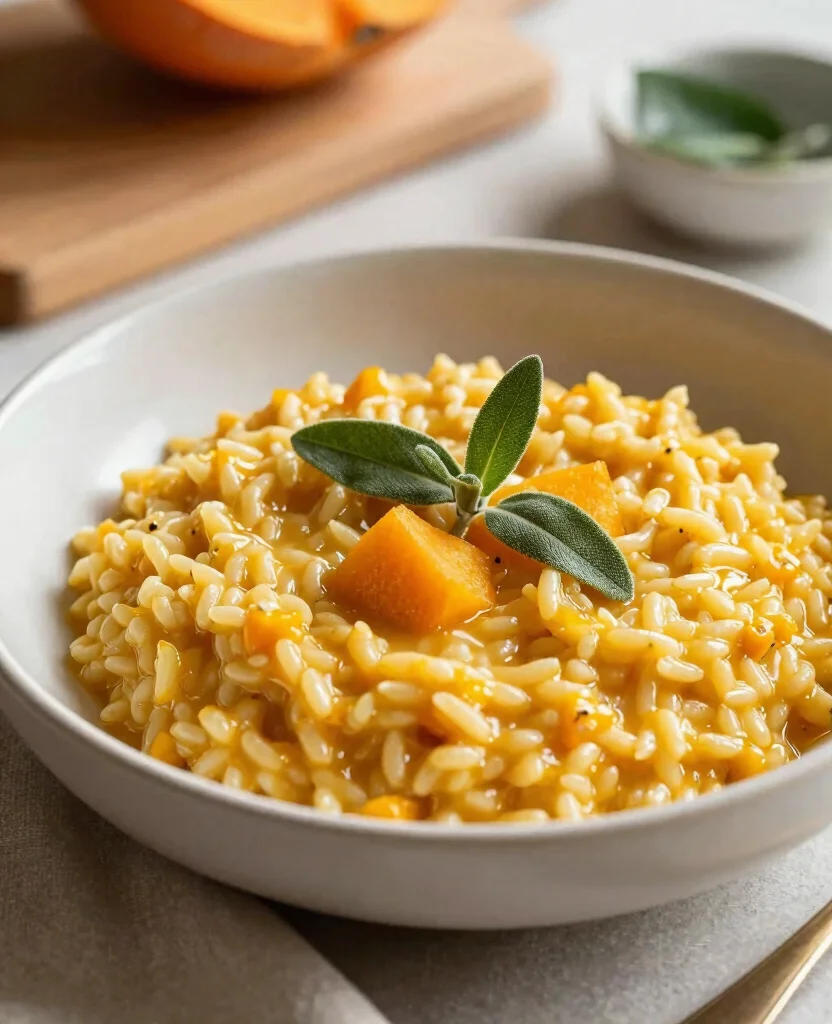
Craving something creamy and delightful? This Butternut Squash Risotto is the ultimate comfort food! The natural sweetness of roasted butternut squash blends beautifully with the creamy rice, while a sprinkle of sage adds a warm and inviting aroma.
This dish is not only delicious but also a wonderful way to enjoy whole grains while reaping the nutritional benefits of squash.
Ingredients:
– 1 cup Arborio rice
– 4 cups vegetable broth
– 2 cups butternut squash, roasted and pureed
– 1 onion, chopped
– 2 cloves garlic, minced
– 1/4 cup grated Parmesan cheese (optional)
– 1 tablespoon fresh sage, chopped
– Olive oil for cooking
– Salt and pepper to taste
Instructions:
1. In a pot, heat olive oil and sauté onion and garlic until soft.
2. Stir in Arborio rice and cook for 2-3 minutes until lightly toasted.
3. Gradually add vegetable broth, one ladle at a time, stirring frequently until absorbed before adding more.
4. Once the rice is creamy and cooked through, stir in the butternut squash puree, sage, salt, pepper, and Parmesan if using.
5. Serve warm, garnished with additional sage if desired.
– Stir frequently to achieve the perfect creamy texture.
– Leftover risotto can be transformed into risotto balls for a fun twist!
FAQs:
– Can I use frozen butternut squash? Yes, just make sure to thaw before using.
– How can I make it vegan? Omit the Parmesan or use a vegan alternative.
❝ Weeknight meals can feel comforting and anti-inflammatory with simple swaps. This Butternut Squash Risotto proves creamy texture comes from roasted squash and vegetable broth, not heavy dairy. Prep in advance: roast squash ahead, then finish with sage for cozy leftovers.
10. Maple Roasted Brussels Sprouts
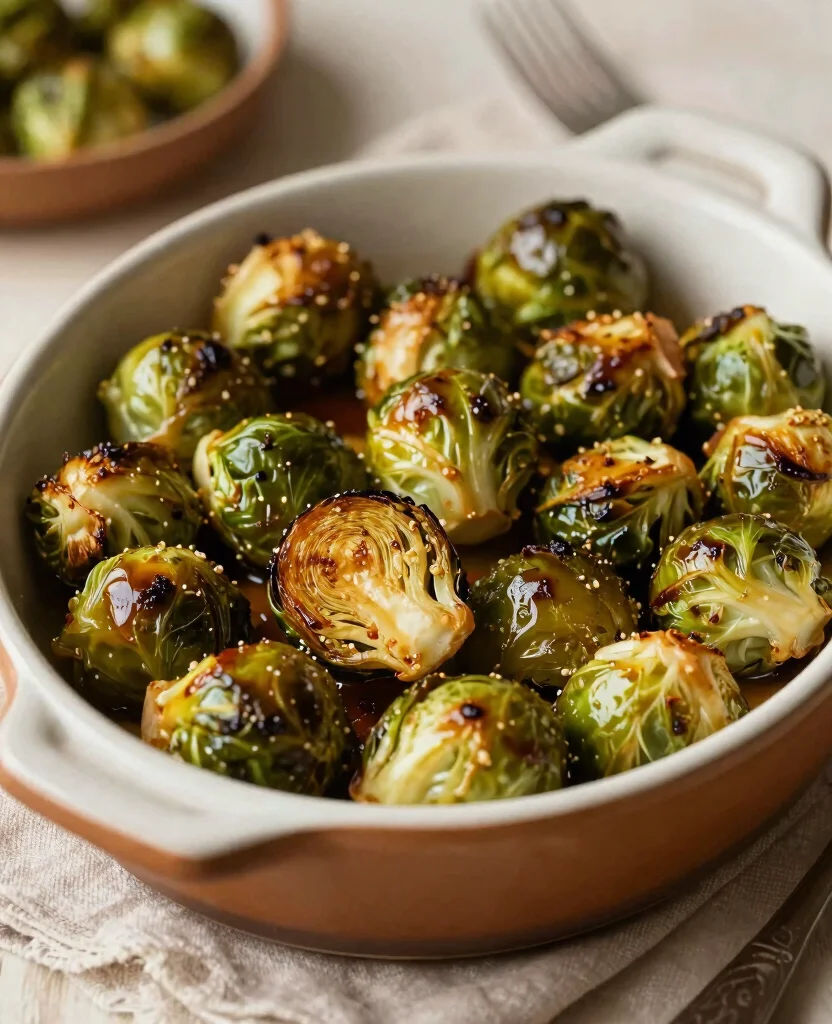
Looking for a delicious and nutritious side? These Maple Roasted Brussels Sprouts are a fantastic choice! The roasting process caramelizes the sprouts, enhancing their natural flavor, while a drizzle of maple syrup introduces a delightful sweetness that perfectly balances their earthiness.
These sprouts make a wonderful addition to any meal and are sure to be a hit at your dinner table.
Ingredients:
– 1 pound Brussels sprouts, halved
– 2 tablespoons olive oil
– 1 tablespoon maple syrup
– Salt and pepper to taste
Instructions:
1. Preheat your oven to 400°F (200°C).
2. Toss the halved Brussels sprouts with olive oil, maple syrup, salt, and pepper.
3. Spread them on a baking sheet and roast for 20-25 minutes until crispy and caramelized.
4. Serve warm, drizzled with additional maple syrup if desired.
– For added texture, sprinkle with toasted pecans or walnuts.
– These can be enjoyed warm or at room temperature.
FAQs:
– Can I prepare these in advance? Yes, they can be reheated and still taste delicious.
– What other flavors could I add? Consider balsamic vinegar or garlic for an extra punch.
Fun fact: Brussels sprouts are packed with anti-inflammatory compounds, and roasting them with olive oil and maple syrup in 20 minutes boosts flavor you’ll crave. It’s a simple, pantry-friendly side that elevates any dinner.
11. Curried Lentil Soup
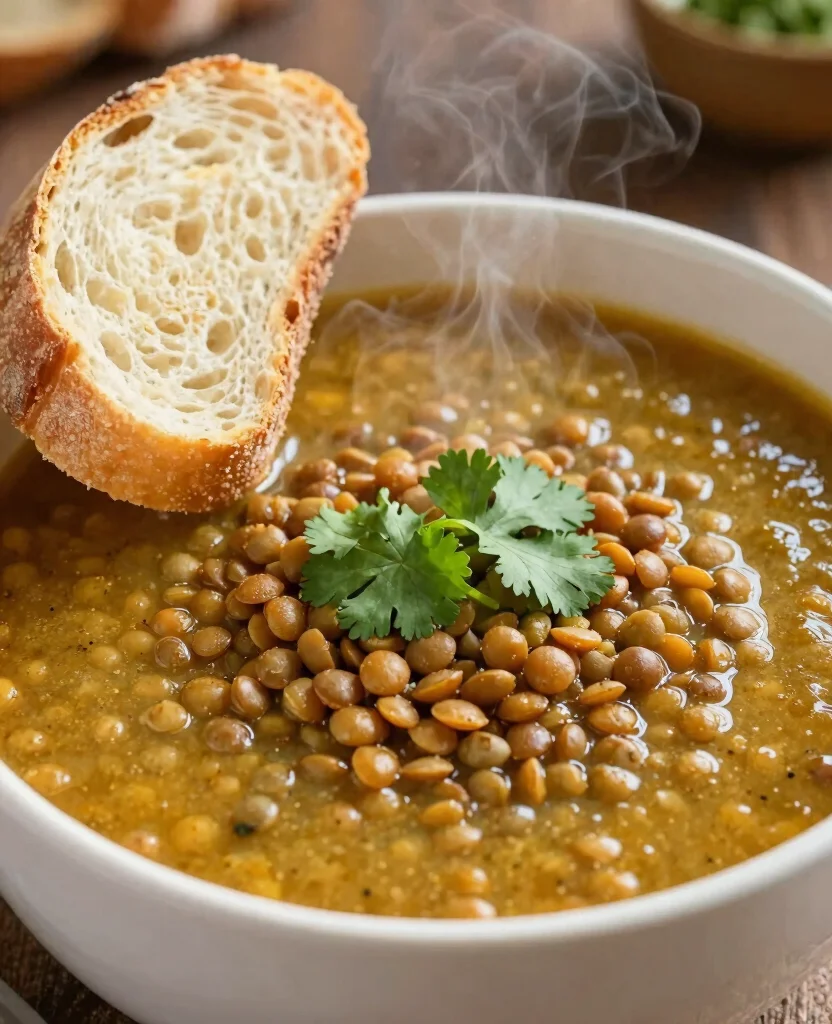
In need of a comforting bowl of soup? This Curried Lentil Soup is like a warm hug in a bowl! Packed with protein, fiber, and rich flavors from curry spices, it’s a hearty dish perfect for chilly evenings.
The lentils soak up the creamy goodness of coconut milk while blending beautifully with the spices, making it a satisfying and nourishing meal option.
Ingredients:
– 1 cup lentils, rinsed
– 1 can coconut milk
– 4 cups vegetable broth
– 1 onion, diced
– 2 carrots, diced
– 2 cloves garlic, minced
– 2 tablespoons curry powder
– Salt and pepper to taste
Instructions:
1. In a large pot, sauté onion, garlic, and carrots until soft.
2. Stir in curry powder and cook for another minute.
3. Add lentils, coconut milk, and vegetable broth. Bring to a boil, reduce heat, and simmer for 30 minutes until lentils are tender.
4. Season with salt and pepper. Serve warm with a sprinkle of cilantro.
– This soup is great over rice or served with crusty bread.
– For extra protein, toss in some cooked chicken or tofu.
FAQs:
– Can I make this without coconut milk? Yes, use vegetable broth instead for a lighter soup.
– How long does it keep? This soup can be refrigerated for up to 5 days.
12. Mediterranean Farro Bowl
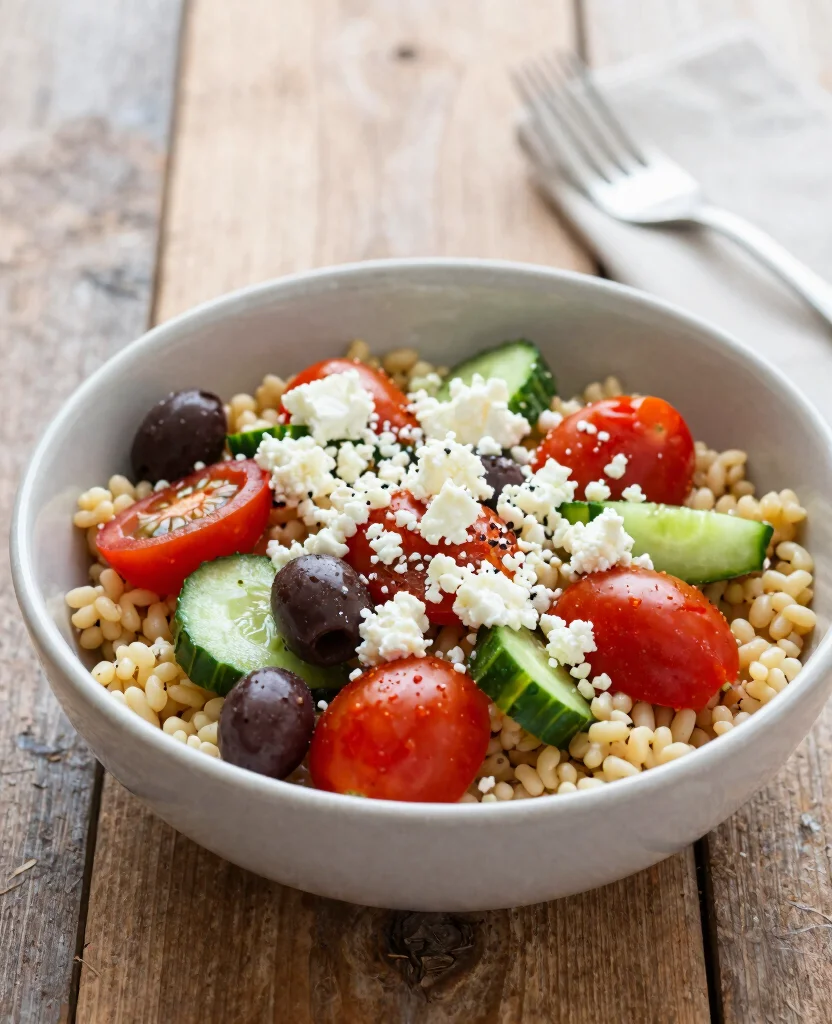
Craving a filling and flavorful meal? The Mediterranean Farro Bowl is just what you need! This vibrant dish combines nutty farro with fresh veggies, olives, and a zesty dressing that brings everything together beautifully.
Perfect for meal prep, this bowl keeps well in the fridge and makes for a delicious lunch or dinner option that you’ll look forward to.
Ingredients:
– 1 cup farro, cooked
– 1 cup cherry tomatoes, halved
– 1 cucumber, diced
– 1/2 cup Kalamata olives, pitted and chopped
– 1/4 cup feta cheese (optional)
– 2 tablespoons olive oil
– Juice of 1 lemon
– Salt and pepper to taste
Instructions:
1. In a large bowl, combine cooked farro, cherry tomatoes, cucumber, olives, and feta.
2. In a small bowl, whisk together olive oil, lemon juice, salt, and pepper.
3. Drizzle the dressing over the farro mixture and toss to combine.
4. Serve chilled or at room temperature for a refreshing meal.
– You can add grilled chicken or chickpeas for extra protein.
– This bowl is easily customizable; add any veggies you enjoy!
FAQs:
– What can I substitute for farro? Quinoa or barley are great alternatives.
– How long does this bowl last? It can be stored in the fridge for 4-5 days.
You Might Also Like
13. Spinach and Feta Stuffed Peppers
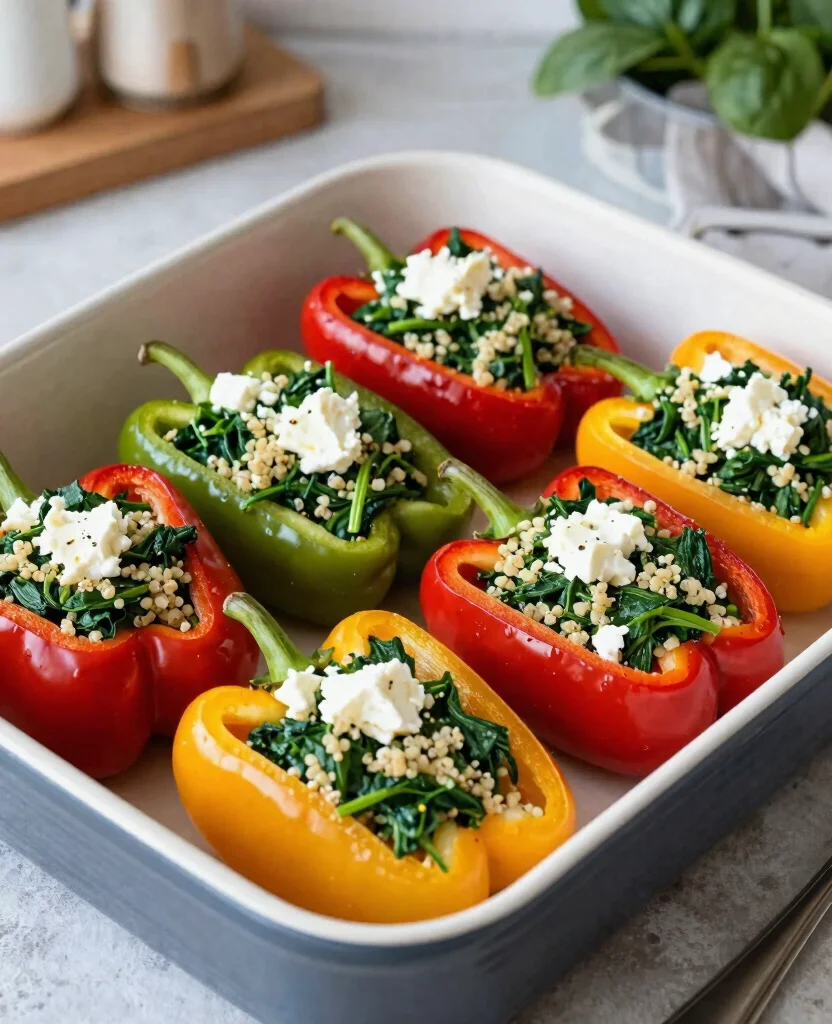
Looking for a colorful and hearty meal? These Spinach and Feta Stuffed Peppers are a delicious way to enjoy a meatless dish. Vibrant bell peppers are filled with a savory mixture of spinach, feta, and quinoa, then baked until tender and flavorful.
This dish is not only visually appealing but also packed with nutrients, making it a great choice for entertaining or a family dinner.
Ingredients:
– 4 bell peppers, tops cut and seeds removed
– 1 cup cooked quinoa
– 2 cups spinach, chopped
– 1/2 cup feta cheese, crumbled
– 1 onion, chopped
– 2 cloves garlic, minced
– 1 tablespoon olive oil
– Salt and pepper to taste
Instructions:
1. Preheat oven to 375°F (190°C).
2. In a skillet, heat olive oil and sauté onion and garlic until soft. Add spinach and cook until wilted.
3. In a bowl, combine cooked quinoa, spinach mixture, and feta. Season with salt and pepper.
4. Stuff each bell pepper with the mixture and place in a baking dish.
5. Cover with foil and bake for 25 minutes. Remove foil and bake for an additional 5 minutes.
– Serve with a side salad for a complete meal.
– These can be made ahead and reheated for easy dinners.
FAQs:
– Can I use other fillings? Absolutely! Try adding beans or other veggies.
– Are they freezer-friendly? Yes, they freeze well before baking.
14. Quinoa and Black Bean Bowl
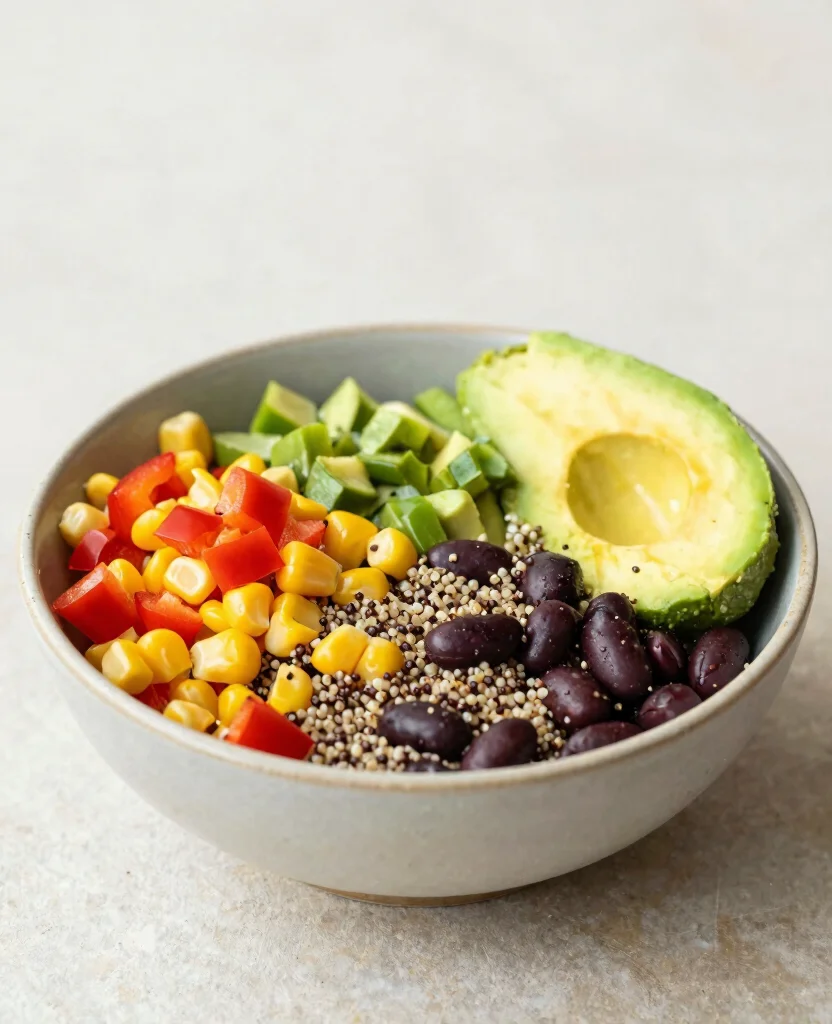
In search of a nutritious and flavorful meal? This Quinoa and Black Bean Bowl is a powerhouse! Combining protein-rich quinoa with hearty black beans, fresh veggies, and a zesty lime dressing, it’s a delightful option for any time of day.
Perfect for meal prep, this dish holds up well in the fridge and can be enjoyed cold or warm, making it versatile and satisfying.
Ingredients:
– 1 cup quinoa, rinsed
– 2 cups water
– 1 can black beans, drained and rinsed
– 1 cup corn (fresh or frozen)
– 1 bell pepper, diced
– 1 avocado, sliced
– Juice of 2 limes
– 2 tablespoons cilantro, chopped
– Salt and pepper to taste
Instructions:
1. In a pot, bring quinoa and water to a boil. Reduce to a simmer and cover for 15 minutes until cooked.
2. In a large bowl, combine cooked quinoa, black beans, corn, bell pepper, lime juice, cilantro, salt, and pepper.
3. Serve in bowls topped with sliced avocado.
– Customize with your favorite toppings like salsa or shredded cheese.
– This dish is great for meal prep and can be stored in the fridge for up to 4 days.
FAQs:
– Can I use brown rice instead of quinoa? Yes, just adjust cooking times accordingly.
– What else can I add? Grilled chicken or tofu for extra protein.
15. Vegan Chocolate Chia Pudding
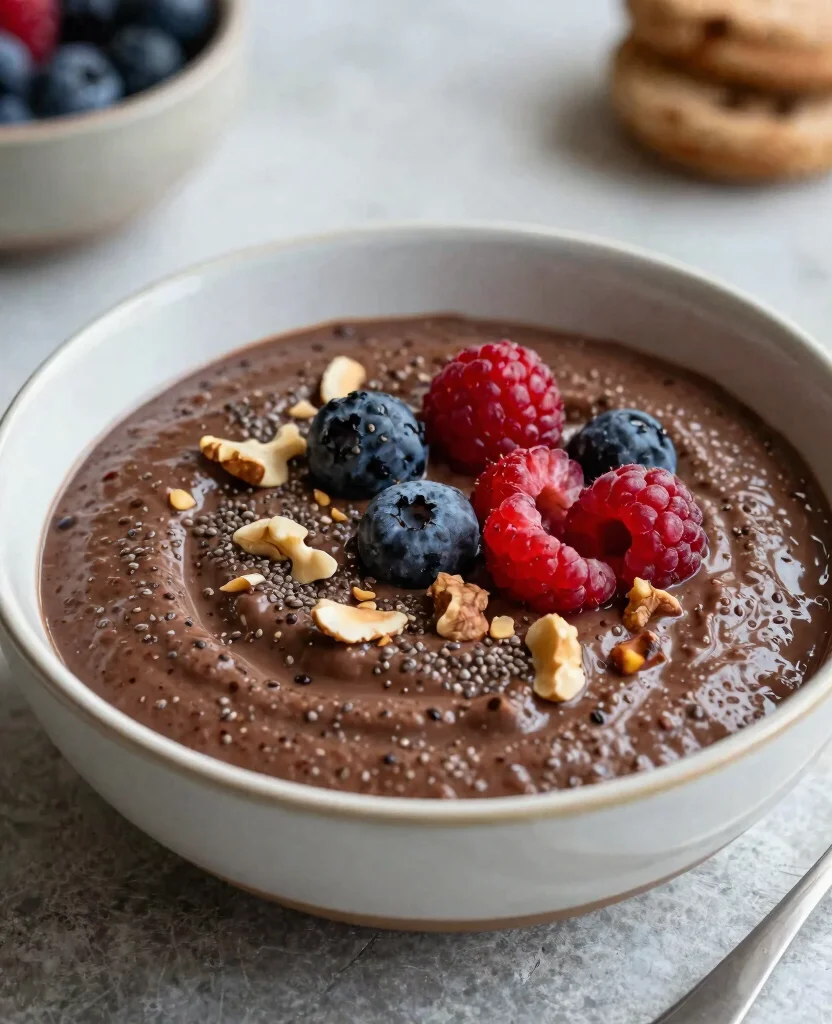
Got a sweet tooth? This Vegan Chocolate Chia Pudding is a delicious way to indulge while keeping it healthy! Rich and creamy, it’s packed with omega-3 fatty acids, making it a nutritious dessert or snack that you won’t be able to resist.
The chia seeds soak up the milk, expanding to create a luscious pudding texture that’s both satisfying and guilt-free.
Ingredients:
– 1/2 cup chia seeds
– 2 cups almond milk (or any plant-based milk)
– 1/4 cup cocoa powder
– 1/4 cup maple syrup or agave
– 1 teaspoon vanilla extract
Instructions:
1. In a bowl, whisk together chia seeds, almond milk, cocoa powder, maple syrup, and vanilla extract until well combined.
2. Let sit for 10 minutes, then whisk again to prevent clumping.
3. Cover and refrigerate for at least 2 hours (or overnight) to allow the chia seeds to expand.
4. Serve chilled, topped with fresh berries or nuts.
– Adjust sweetness according to your taste preference.
– This pudding can be stored in the fridge for up to 5 days.
FAQs:
– Can I make this with regular milk? Yes, any type of milk works!
– What can I add on top? Fresh fruits, granola, or nut butter make great toppings.
Conclusion
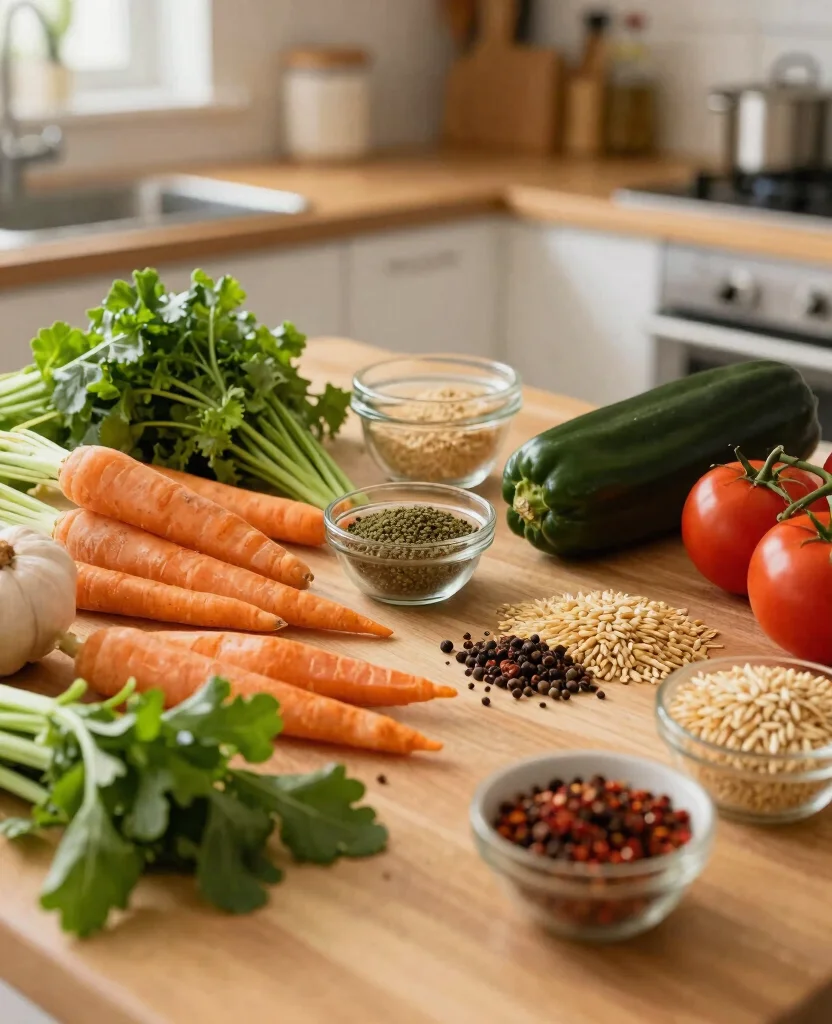
Exploring these 15 anti-inflammatory vegetarian recipes not only boosts your health but also adds excitement and variety to your meals. Each dish emphasizes the power of plant-based ingredients, showcasing how delicious and nourishing food can be. Incorporating these recipes into your cooking routine can make a significant difference in your overall well-being.
So why not give these vibrant meals a try? Your taste buds and body will thank you!
Frequently Asked Questions
What makes an anti-inflammatory vegetarian recipe effective for a healthier lifestyle?
Anti-inflammatory vegetarian recipes prioritize foods that help curb chronic inflammation while keeping meals delicious and nourishing. In practice, look for a balance of fiber, antioxidants, and healthy fats. This article highlights inflammation-fighting foods like leafy greens, berries, whole grains, beans, turmeric, and olive oil. To make them practical, batch-cook staples, use quick-assembly bowls, and build flavor with herbs and spices rather than heavy sauces. By regularly rotating anti-inflammatory vegetarian recipes in your week, you may notice more sustained energy and better digestion.
Which plant-based anti-inflammatory meals are easiest to prep for a busy week?
Choose meals that share ingredients to cut down on prep time. Staples like lentils, chickpeas, quinoa, roasted vegetables, and a versatile sauce work across multiple plant-based anti-inflammatory meals. For example: a chickpea-and-veggie bowl, a turmeric lentil curry, and a quick tofu-green sauté. Batch-cook on Sunday, portion into containers, and store sauces separately for fresh flavor. This approach keeps your weeknights simple while staying aligned with healthy vegetarian dishes that fend off inflammation.
What are the inflammation-fighting foods commonly featured in these recipes?
Key ingredients include leafy greens (spinach, kale), cruciferous veggies (broccoli, Brussels sprouts), berries, beans and lentils, whole grains, nuts and seeds, olive oil, garlic, ginger, turmeric, and mushrooms. These foods are rich in antioxidants, fiber, and healthy fats that support inflammation-fighting foods. Flavor tips: pair turmeric with black pepper, add lemon juice for brightness, and use miso or tahini-based sauces to boost depth without dairy or meat. Rotating these foods keeps meals exciting and effective for anti-inflammatory vegetarian recipes.
Are these meatless recipes satisfying and tasty enough for everyday meals?
Absolutely. You can make meatless meals feel hearty by including protein-rich ingredients like beans, lentils, tofu, tempeh, and quinoa, which support fullness. Add texture with roasted veggies, crunchy toppings, and creamy dressings. Flavor builders—garlic, ginger, citrus, chili, miso—bring big taste without needing meat. A savory lentil chili, a mushroom and chickpea curry, or a veggie-packed stir-fry are all meatless recipes for health that still feel indulgent and satisfying.
How can I fit anti-inflammatory vegetarian recipes into a weekly meal plan?
Start simple: pick 5 dinners centered on anti-inflammatory vegetarian recipes, roast a tray of vegetables, cook a big pot of beans or lentils, and whisk up a couple of flexible sauces. Use leftovers for lunches and rotate proteins to keep variety. For example: Monday – quinoa veggie bowl, Tuesday – turmeric lentil curry, Wednesday – tofu-and-greens stir-fry, Thursday – chickpea salad, Friday – bean chili. Keep staples on hand so you can assemble meals quickly. By planning ahead, you’ll enjoy plant-based anti-inflammatory meals that support a healthier lifestyle.
Related Topics