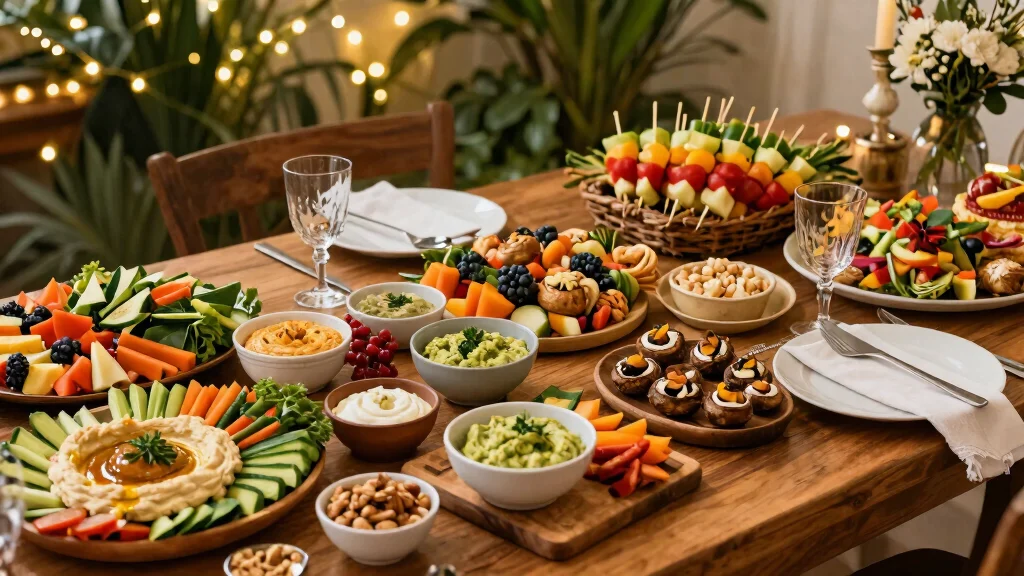

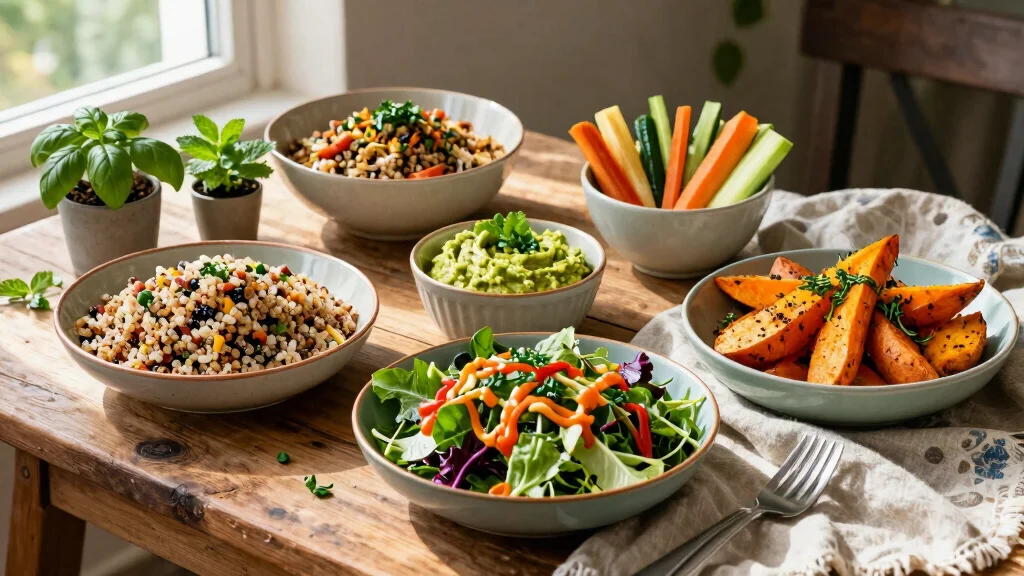
If you’ve been feeling under the weather or just a bit sluggish lately, you might be searching for ways to boost your health. An anti-inflammatory diet can be a game-changer, especially when it comes to nourishing your body with delicious vegetarian meals. I created this post to share some amazing vegetarian recipes that not only taste great but also help you tackle inflammation.
If you’re health-conscious, someone who loves to cook, or just curious about plant-based eating, this post is for you. Whether you’re a long-time vegetarian or exploring plant-based cooking for the first time, you’ll find these recipes approachable and satisfying. Get ready to dive into 11 anti-inflammatory vegetarian recipes that are colorful, hearty, and packed with nutrients. Each recipe is designed to support your health while tantalizing your taste buds.
By the end of this post, you’ll have a collection of vibrant meals that are easy to prepare and good for you. These dishes showcase inflammation-fighting foods that can help you feel your best. So let’s get cooking and discover how tasty health can be!
Key Takeaways
– Discover 11 anti-inflammatory vegetarian recipes that help reduce inflammation and boost overall health.
– Each recipe is easy to prepare, making it perfect for busy lifestyles and meal prep.
– Learn about inflammation-fighting foods like turmeric, ginger, and leafy greens that are included in these dishes.
– Enjoy a variety of flavors and textures, from zesty salads to hearty bowls, to keep your meals exciting.
– Find practical tips for incorporating these dishes into your regular meal routine for a healthier lifestyle.


1. Turmeric Quinoa Salad
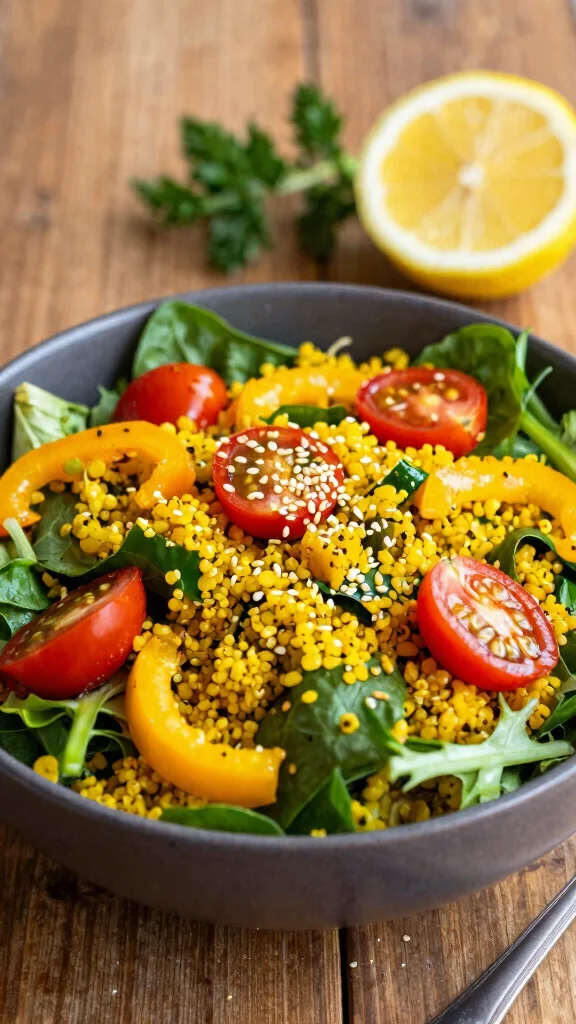
Craving something bright and nutritious? This Turmeric Quinoa Salad is bursting with vibrant flavors and health benefits. Rich in anti-inflammatory properties, turmeric combined with leafy greens creates a beautiful dish that not only looks good but also nourishes your body. Perfect for meal prep, this salad gets even tastier the next day. Add cherry tomatoes, bell peppers, and a handful of spinach for a refreshing crunch. A squeeze of lemon ties everything together, making each bite a delight.
Ingredients:
– 1 cup quinoa
– 2 cups water
– 1 tablespoon turmeric powder
– 2 cups spinach, chopped
– 1 cup cherry tomatoes, halved
– 1 bell pepper, diced
– Juice of 1 lemon
– Salt and pepper to taste
…
Instructions:
1. Rinse the quinoa under cold water.
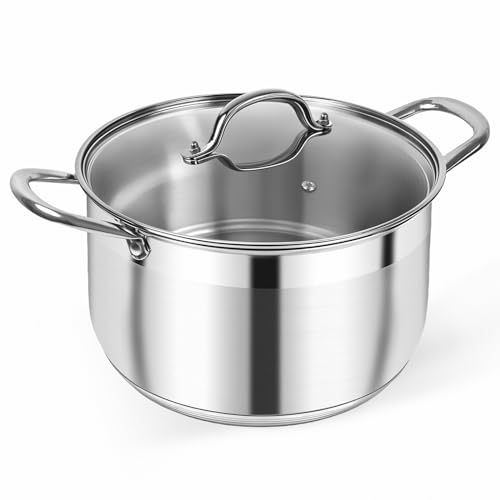
2. In a pot, combine quinoa, water, and turmeric. Bring to a boil, then reduce heat and simmer for 15-20 minutes until fluffy.
3. In a large bowl, mix spinach, cherry tomatoes, and bell pepper.
4. Once quinoa is cooked, let it cool slightly, then add to the veggie mix.
5. Drizzle with lemon juice, season with salt and pepper, and toss until well combined.
– Add toasted nuts for extra crunch.
– Feel free to include any leftover vegetables you have.
FAQs:
– Can I make this salad ahead of time? Yes, it keeps well in the fridge for up to 3 days.




2. Creamy Avocado & Spinach Smoothie
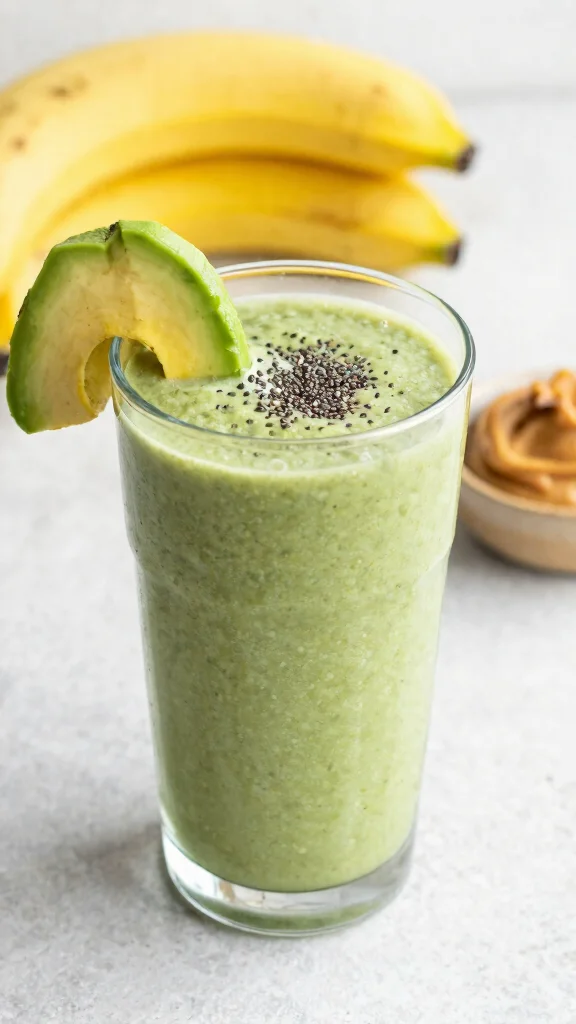
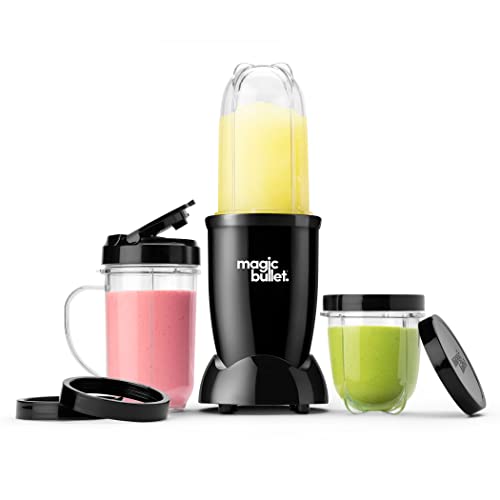
Looking for a delicious way to kickstart your day? This Creamy Avocado & Spinach Smoothie is the perfect answer. Packed with healthy fats and fiber, avocado pairs wonderfully with nutrient-rich spinach, creating a smoothie that’s not only creamy but also energizing. Add a banana for natural sweetness and a scoop of nut butter for extra protein, transforming this smoothie into a satisfying meal. Blend it up for a quick breakfast on the go or a refreshing snack anytime.
Ingredients:
– 1 ripe avocado
– 2 cups spinach
– 1 banana
– 1 tablespoon almond butter
– 1 cup almond milk (or your choice of milk)
…
Instructions:
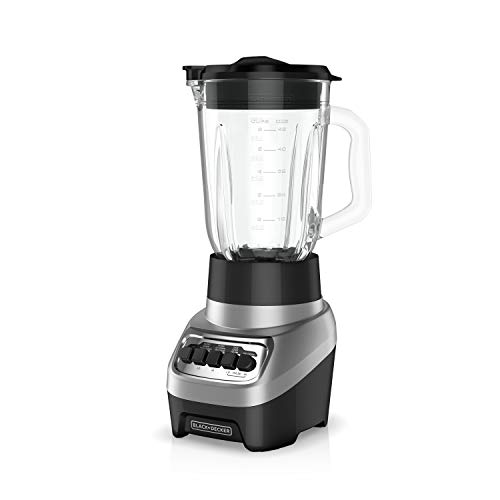
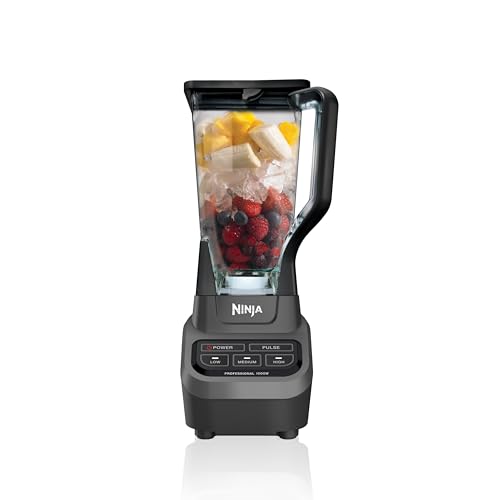
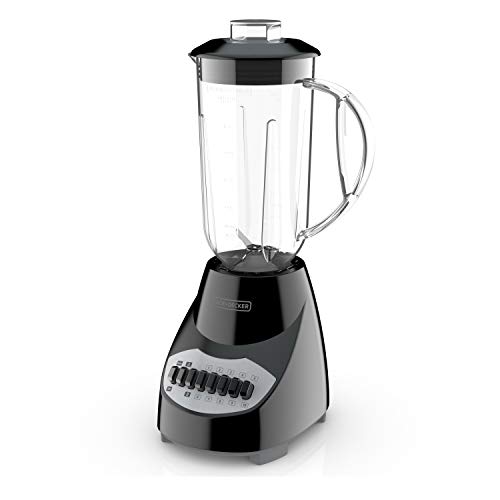
1. In a blender, combine avocado, spinach, banana, almond butter, and almond milk.
2. Blend until smooth and creamy.
3. Taste and adjust sweetness if needed, adding honey or a sweetener of choice.
4. Pour into glasses and enjoy immediately.
– Freeze bananas for an extra-thick smoothie.
– Add chia seeds for extra fiber.
FAQs:
– Can I use other greens? Yes, kale or Swiss chard work well too.


3. Spicy Chickpea & Sweet Potato Bowl
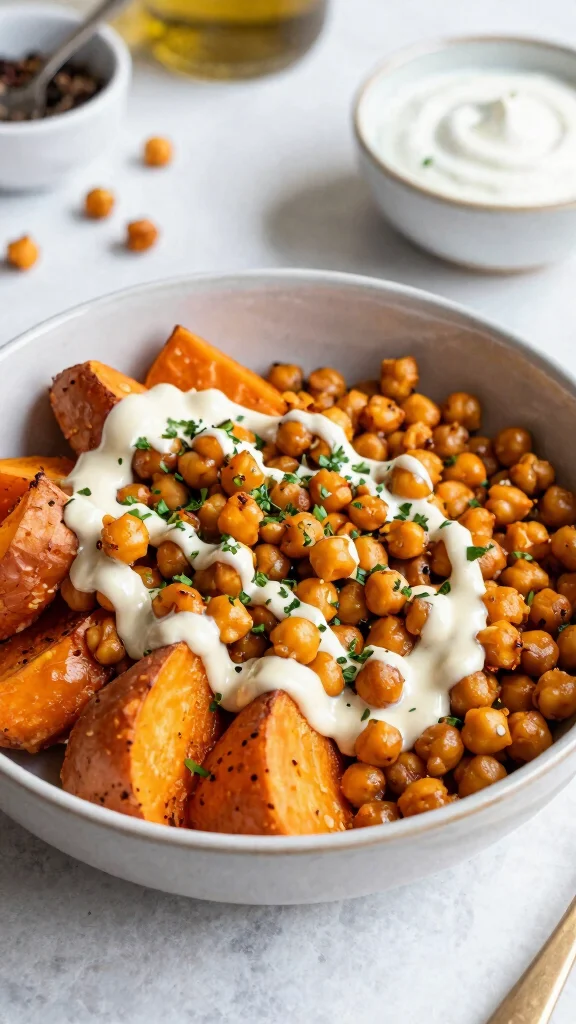
Feeling hungry for something hearty and flavorful? This Spicy Chickpea & Sweet Potato Bowl is your answer. Packed with protein-rich chickpeas and vitamin-loaded sweet potatoes, this dish is both filling and delicious. The spices add an irresistible kick, making it impossible to resist. Roasting the sweet potatoes enhances their natural sweetness, perfectly complementing the spicy chickpeas. Top it off with creamy tahini or yogurt for a delightful contrast in textures. It’s perfect for meal prep, ready for quick lunches throughout the week.
Ingredients:
– 2 cups sweet potatoes, diced
– 1 can chickpeas, drained and rinsed
– 1 tablespoon olive oil
– 1 teaspoon paprika
– 1 teaspoon cumin
– Salt and pepper to taste
– Tahini or yogurt for serving
…
Instructions:
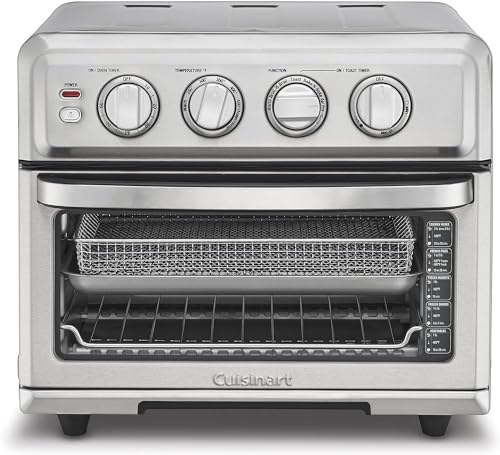
1. Preheat your oven to 400°F (200°C).
2. Toss diced sweet potatoes in olive oil, salt, and pepper. Spread on a baking sheet.
3. In a bowl, combine chickpeas with paprika, cumin, salt, and pepper. Spread on a separate baking sheet.
4. Roast both trays in the oven for 25-30 minutes until sweet potatoes are tender and chickpeas are crispy.
5. Assemble the bowl by combining sweet potatoes and chickpeas, adding tahini or yogurt on top.
– Make it a one-pan meal by roasting everything together.
– Add greens like kale or spinach for extra nutrients.
FAQs:
– Can I use other beans? Yes, black beans or kidney beans work well too.
Fun fact: One Spicy Chickpea & Sweet Potato Bowl can deliver around 15g protein and a rainbow of vitamins in one hearty meal. Roasting the sweet potatoes boosts sweetness and satiety, while anti-inflammatory spices keep flavor and motivation high. Great for meal prep and weeknight dinners.


4. Roasted Cauliflower Tacos
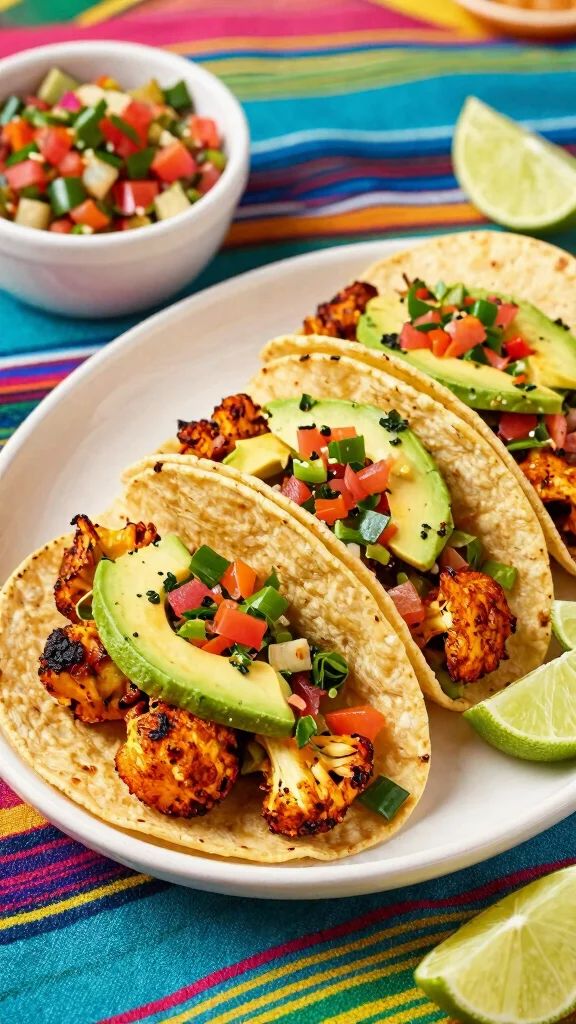
Craving something flavorful and satisfying? These Roasted Cauliflower Tacos deliver all that and more! Cauliflower shines in this recipe, taking on a caramelized flavor that’s simply irresistible when roasted. These tacos are not only delicious but also easy to prepare, making them a go-to for any day of the week. Toss the cauliflower in olive oil, cumin, and chili powder to amplify its natural sweetness. Serve in warm corn tortillas topped with fresh avocado, pico de gallo, and a squeeze of lime for a mouthwatering meal.
Ingredients:
– 1 head of cauliflower, cut into florets
– 2 tablespoons olive oil
– 1 teaspoon cumin
– 1 teaspoon chili powder
– Salt to taste
– 8 corn tortillas
– Toppings: avocado, pico de gallo, lime wedges
…
Instructions:
1. Preheat your oven to 425°F (220°C).
2. Toss the cauliflower florets with olive oil, cumin, chili powder, and salt.
3. Spread on a baking sheet and roast for 25 minutes, until golden brown.
4. Warm the corn tortillas in a skillet.
5. Fill each tortilla with roasted cauliflower and top with avocado and pico de gallo. Serve with lime wedges.
– You can add shredded cabbage or cheese for extra crunch.
– Try different toppings like salsa or hot sauce for a kick.
FAQs:
– Can this be made vegan? Yes, just ensure your tortillas are vegan.




5. Ginger-Lime Infused Carrot Soup
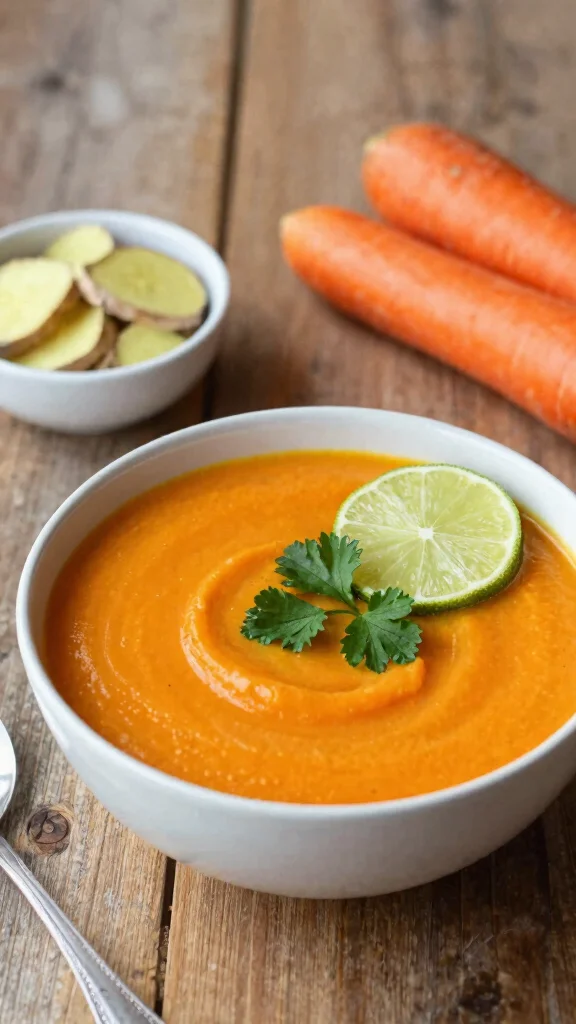
Craving something warm and comforting? This Ginger-Lime Infused Carrot Soup is just what you need. Carrots are sweet and packed with beta-carotene, while ginger adds a zesty kick and numerous health benefits. This soup is both soothing and invigorating, perfect for any occasion. Simmer the carrots with vegetable broth and seasonings before blending into a velvety consistency. A splash of lime juice brightens the flavors, making each spoonful a delight. This soup is great for meal prep; it freezes well and can be quickly reheated for a nutritious meal.
Ingredients:
– 4 cups carrots, chopped
– 1 onion, diced
– 2 cloves garlic, minced
– 1 tablespoon ginger, grated
– 4 cups vegetable broth
– Juice of 1 lime
– Salt and pepper to taste
…
Instructions:
1. In a pot, sauté onion and garlic until soft.
2. Add carrots and ginger, cooking for another 3 minutes.
3. Pour in vegetable broth, bring to a boil, and simmer for 15 minutes until carrots are tender.
4. Blend the soup until smooth, adding lime juice and seasoning to taste.
5. Serve hot, garnished with lime zest or fresh herbs.
– For a creamier texture, stir in coconut milk before serving.
– Pair with crusty bread for a complete meal.
FAQs:
– Can I use frozen carrots? Yes, just adjust the cooking time slightly.
Cozy comfort meets clean eating with Ginger-Lime Infused Carrot Soup, proof that anti-inflammatory vegetarian recipes can feel indulgent without guilt. Make a batch, freeze extra servings, and you’ll always have a healthy, zesty bowl ready when life gets busy.


How To Choose Anti-Inflammatory Vegetarian Recipes
Choosing the right anti-inflammatory vegetarian recipes can be a game-changer for your health. You want to ensure that each dish not only tastes great but also helps fight inflammation. Here are some key criteria to guide you in selecting the best recipes:
1. Ingredient Quality
Focus on fresh, whole ingredients. Look for recipes that incorporate a variety of vegetables, whole grains, and legumes. Ingredients like turmeric, ginger, and garlic are known for their anti-inflammatory properties. Always check if the recipe uses organic produce, as they tend to have fewer pesticides and chemicals that may trigger inflammation.
2. Nutritional Balance
Aim for recipes that provide a balanced mix of macronutrients. Your meals should include healthy fats, proteins, and complex carbohydrates. For example, a recipe with quinoa, black beans, and avocado provides a great balance of nutrients while being anti-inflammatory. Keep an eye on portion sizes to ensure you meet your dietary needs without overeating.
3. Preparation Time
Consider how much time you have for meal prep. Some anti-inflammatory vegetarian recipes can take a while to prepare, while others are quick and easy. If you’re busy, look for recipes that can be prepared in 30 minutes or less. You might also consider batch cooking on weekends to save time during the week.
4. Cooking Methods
The method of cooking can influence the health benefits of your meals. Opt for recipes that use healthier cooking techniques such as steaming, roasting, or sautéing rather than frying. These methods help retain nutrients in your food and keep your meals light and healthy.
5. Flavor Profiles
Flavor is crucial for sticking to a healthy diet. Choose recipes that excite your taste buds! Look for dishes with bold flavors that combine various herbs and spices. Ingredients like chili, lemon, and fresh herbs can enhance taste without adding unhealthy components. This way, you can enjoy anti-inflammatory vegetarian meals that are both nutritious and delicious.
6. Dietary Restrictions
Review any dietary restrictions you or your family members may have. Whether you’re gluten-free, nut-free, or have any other food sensitivities, make sure the recipes accommodate these needs. You can always adapt recipes to fit your requirements by substituting some ingredients without compromising the dish’s health benefits.
Pro Tip:
Make a list of your favorite inflammation-fighting foods. Keep it handy when searching for recipes. This way, you can quickly spot meals that include your go-to ingredients, ensuring that you enjoy both taste and health benefits in every dish! 🍽️


6. Lentil & Vegetable Stir-Fry
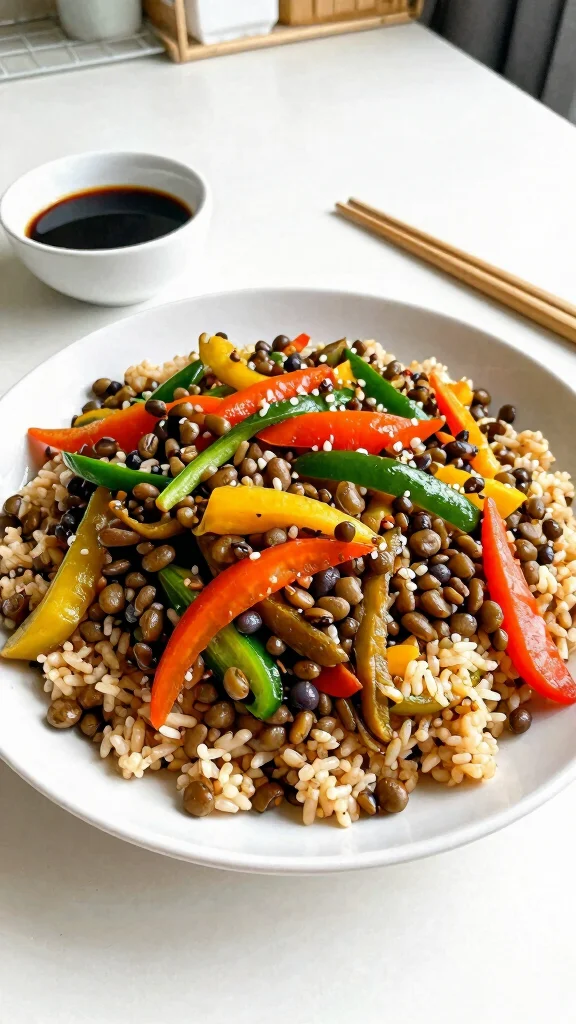
Need a quick and nutritious meal? This Lentil & Vegetable Stir-Fry is perfect for busy weeknights. Lentils provide a fantastic source of protein and fiber, while a colorful mix of vegetables adds essential vitamins and minerals. This dish is filling and loaded with anti-inflammatory benefits, making it a great addition to your meal prep. Sauté your favorite veggies like bell peppers, broccoli, and carrots with cooked lentils and a splash of soy sauce for flavor. Serve it over brown rice or quinoa for a complete, satisfying meal.
Ingredients:
– 1 cup lentils, cooked
– 2 cups mixed vegetables (bell peppers, carrots, broccoli)
– 2 tablespoons soy sauce
– 1 tablespoon olive oil
– 2 cloves garlic, minced
– Salt and pepper to taste
– Cooked brown rice or quinoa for serving
…
Instructions:
1. In a large skillet, heat olive oil over medium heat.
2. Add garlic and mixed vegetables, sautéing until softened, about 5 minutes.
3. Stir in cooked lentils and soy sauce, cooking for another 5 minutes until heated through.
4. Season with salt and pepper, and serve over brown rice or quinoa.
– Use leftover veggies or whatever is in season for a fresh meal.
– For extra flavor, add chili flakes or sesame oil.
FAQs:
– Can I use canned lentils? Yes, just rinse and drain them before adding.


7. Beetroot & Walnut Salad
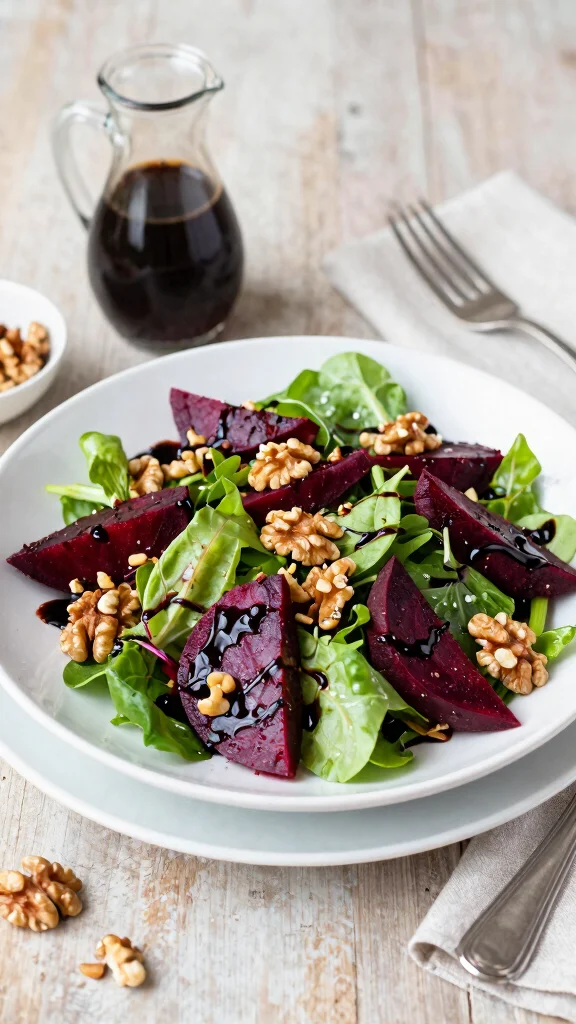
Looking for a salad that’s both nutritious and beautiful? This Beetroot & Walnut Salad is the perfect choice. Beetroots are known for their anti-inflammatory properties, and when paired with crunchy walnuts and fresh greens, they create a delightful mix of flavors and textures. Roasting the beets enhances their sweetness, complementing the crunchy walnuts and tangy vinaigrette beautifully. This salad not only pleases the palate but also serves as a stunning centerpiece for any meal. Perfect as a side or main dish, it’s versatile and scrumptious!
Ingredients:
– 2 medium beetroots, roasted and chopped
– 1 cup mixed greens
– 1/2 cup walnuts, chopped
– 2 tablespoons olive oil
– 1 tablespoon balsamic vinegar
– Salt and pepper to taste
…
Instructions:
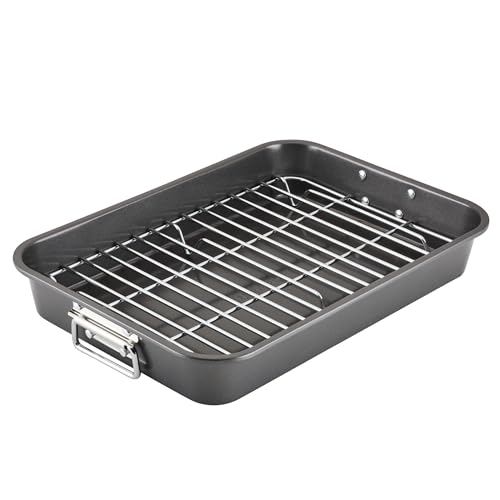
1. Preheat the oven to 400°F (200°C). Wrap beetroots in foil and roast for 30-40 minutes until tender.
2. In a bowl, mix roasted beets, mixed greens, and walnuts.
3. In a small bowl, whisk together olive oil, balsamic vinegar, salt, and pepper.
4. Drizzle the dressing over the salad and toss gently.
5. Serve immediately or chill for later.
– Add goat cheese for creaminess and flavor.
– This salad can be made a day ahead for convenience.
FAQs:
– Can I use canned beets? Yes, but fresh roasted beets have a superior flavor.


8. Zucchini Noodles with Pesto
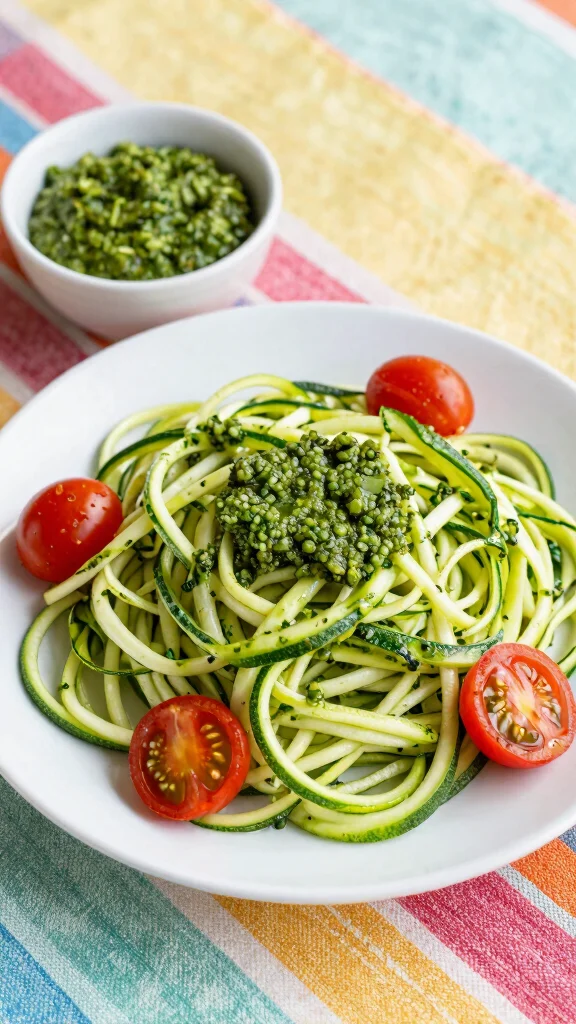
Craving a lighter take on pasta? These Zucchini Noodles with Pesto are a fun and healthy alternative. Zoodles are low in calories and rich in vitamins, making them a perfect choice for a nutritious meal. Homemade pesto made from fresh basil, garlic, and olive oil brings bold flavors that complement the zucchini beautifully. This dish can be whipped up in no time, ideal for a healthy weeknight dinner or a refreshing lunch. Top it with cherry tomatoes and nuts for added texture and taste!
Ingredients:
– 4 medium zucchinis, spiralized
– 1 cup fresh basil
– 1/4 cup pine nuts
– 1/4 cup olive oil
– 2 cloves garlic
– Salt and pepper to taste
– Cherry tomatoes for garnish
…
Instructions:
1. In a food processor, blend basil, pine nuts, garlic, olive oil, salt, and pepper until smooth.
2. Heat a skillet over medium heat, add zucchini noodles, and sauté for 2-3 minutes until just tender.
3. Toss the zoodles with pesto until well coated.
4. Serve immediately, garnished with cherry tomatoes.
– For a creamier sauce, add a splash of cream or nutritional yeast.
– You can make the pesto ahead of time and store it in the fridge.
FAQs:
– Can I use store-bought pesto? Yes, it’s a great time saver!



9. Chia Seed Pudding with Berries
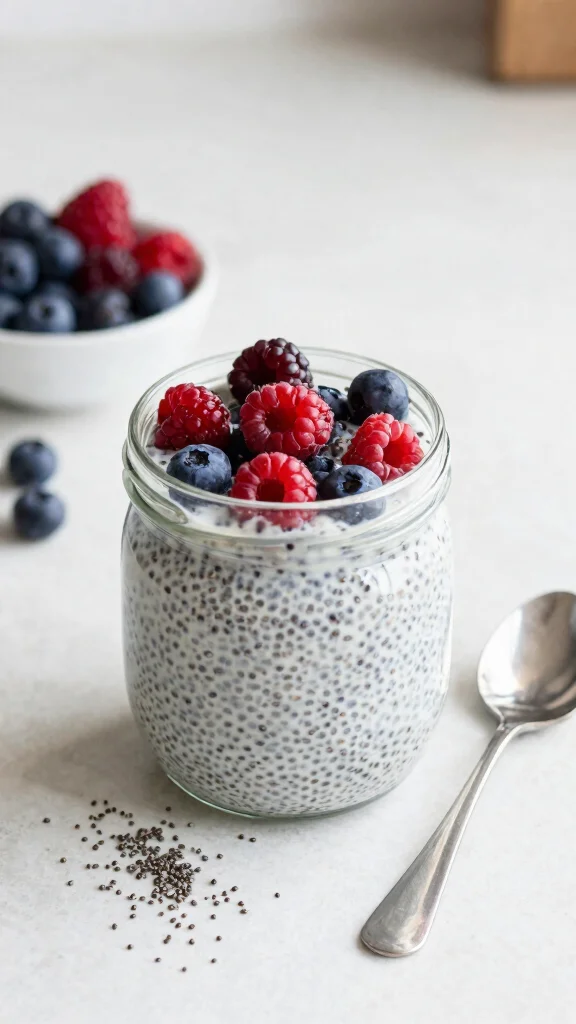
Looking for a nutritious dessert or breakfast option? This Chia Seed Pudding with Berries is both satisfying and delicious. Chia seeds are high in omega-3 fatty acids and fiber, making them perfect for an anti-inflammatory diet. Plus, it’s incredibly easy to prepare – just mix and chill! Combine chia seeds with your choice of milk and a dash of vanilla, letting them soak overnight. In the morning, top with fresh berries for a burst of sweetness and color. Enjoy it as a quick breakfast, snack, or even dessert!
Ingredients:
– 1/2 cup chia seeds
– 2 cups almond milk (or your choice)
– 1 teaspoon vanilla extract
– 1 cup mixed berries (strawberries, blueberries, raspberries)
…
Instructions:
1. In a bowl, mix chia seeds, almond milk, and vanilla extract until well combined.
2. Transfer to individual jars or a container and refrigerate overnight.
3. Before serving, stir the pudding, and top with mixed berries.
4. Enjoy it cold!
– Sweeten to taste with honey or maple syrup if desired.
– Add nuts or granola for a crunchy twist.
FAQs:
– How long does it last? Up to 5 days in the fridge.


10. Stuffed Bell Peppers with Quinoa & Black Beans
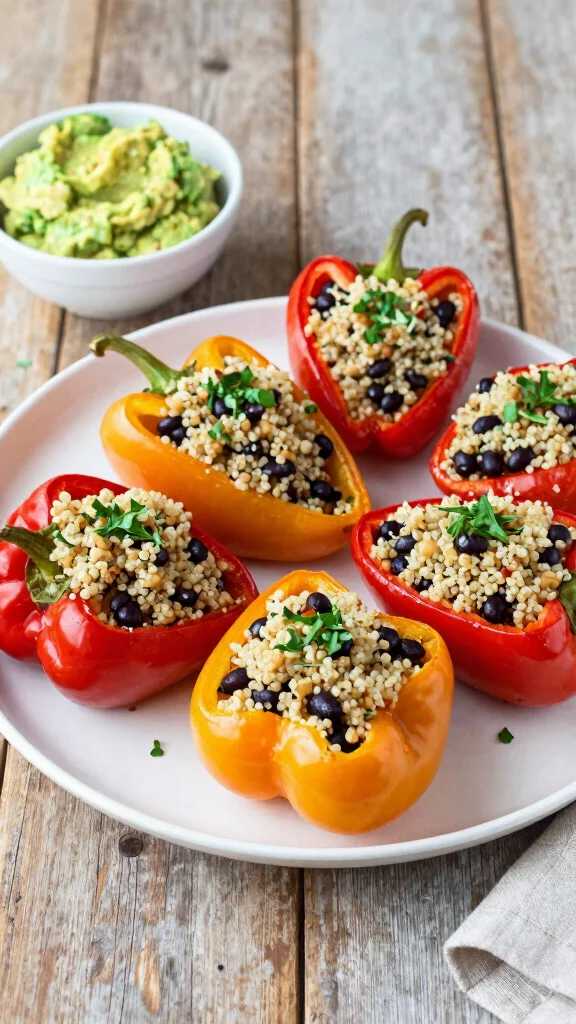
Craving a vibrant and satisfying meal? These Stuffed Bell Peppers with Quinoa & Black Beans are a colorful addition to your anti-inflammatory diet. Bell peppers are rich in vitamins and antioxidants, making them the perfect vessel for a hearty filling of quinoa and black beans. Seasoned with cumin and chili powder, this dish is full of flavor and incredibly satisfying. Bake the stuffed peppers until tender, then top with yogurt or guacamole for a complete meal. They are perfect for meal prep, easily reheatable for a week of quick lunches or dinners.
Ingredients:
– 4 bell peppers, halved and seeds removed
– 1 cup quinoa, cooked
– 1 can black beans, rinsed and drained
– 1 teaspoon cumin
– 1 teaspoon chili powder
– 1 cup corn (frozen or canned)
– Salt and pepper to taste
– Cheese for topping (optional)
…
Instructions:
1. Preheat the oven to 375°F (190°C).
2. In a bowl, mix cooked quinoa, black beans, corn, cumin, chili powder, salt, and pepper.
3. Stuff the halved bell peppers with the mixture and place them in a baking dish.
4. Top with cheese if desired and cover with foil. Bake for 30 minutes.
5. Serve hot and enjoy!
– Experiment with different fillings like lentils or veggies.
– These can be frozen before baking for a later meal.
FAQs:
– Can I make this vegan? Yes, just skip the cheese.
Fun fact: bell peppers are vitamin C powerhouses—one cup packs more than an orange. When you stuff them with quinoa and black beans, you get anti-inflammatory power with fiber, protein, and flavor. Meal prep magic in these anti-inflammatory vegetarian recipes keeps you fueled all week.


11. Sweet Potato & Black Bean Enchiladas
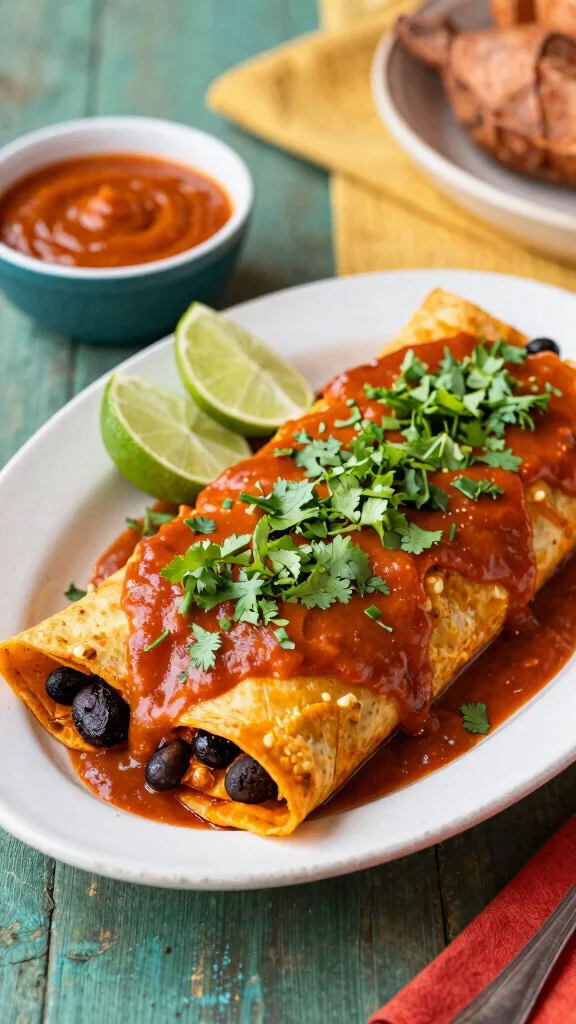
In the mood for comfort food? These Sweet Potato & Black Bean Enchiladas are a crowd-pleaser that combines delicious flavors with anti-inflammatory benefits. Sweet potatoes lend sweetness and nutrition, while black beans add heartiness and protein. Wrap these fillings in corn tortillas, smother them in homemade enchilada sauce, and bake until bubbly. Topped with fresh cilantro and a squeeze of lime, these enchiladas are perfect for a cozy dinner with family or friends. Plus, they’re great for meal prep, easily made ahead and stored for delicious meals throughout the week.
Ingredients:
– 2 cups sweet potatoes, diced and roasted
– 1 can black beans, rinsed and drained
– 8 corn tortillas
– 2 cups enchilada sauce
– 1 teaspoon cumin
– 1 teaspoon chili powder
– Fresh cilantro for garnish
…
Instructions:
1. Preheat the oven to 350°F (175°C).
2. In a bowl, combine roasted sweet potatoes, black beans, cumin, and chili powder.
3. Fill each tortilla with the mixture, roll it up, and place it seam-side down in a baking dish.
4. Pour enchilada sauce over the top and bake for 25-30 minutes.
5. Serve hot, garnished with cilantro and lime wedges.
– For extra flavor, add cheese before baking.
– These enchiladas can be made vegan by skipping the cheese and using a plant-based sauce.
FAQs:
– Can I prepare these ahead of time? Yes, assemble and store in the fridge before baking.


Conclusion
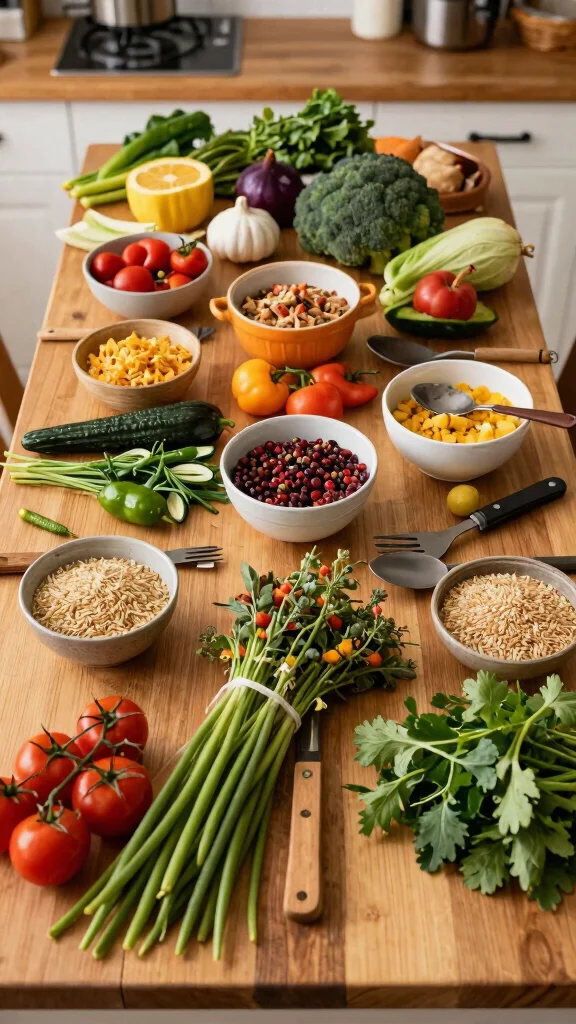
Embracing an anti-inflammatory vegetarian diet doesn’t mean sacrificing flavor or satisfaction. These 11 recipes are just a glimpse into the world of nutritious, plant-based cooking that can boost your health and wellness.
By incorporating these dishes into your meal prep, you’re not only feeding your body with inflammation-fighting foods but also embarking on a culinary adventure that celebrates the vibrancy of vegetables and grains. So gather your ingredients, get cooking, and enjoy the delicious benefits that come with every bite!
Note: We aim to provide accurate product links, but some may occasionally expire or become unavailable. If this happens, please search directly on Amazon for the product or a suitable alternative.
This post contains Amazon affiliate links, meaning we may earn a small commission if you purchase through our links, at no extra cost to you.
Frequently Asked Questions
Which anti-inflammatory vegetarian recipes are the easiest to meal prep for a busy week?
For a busy week, look for recipes that use common ingredients, simple methods, and batch-friendly components like whole grains, beans, and roasted veggies. Our 11 anti-inflammatory vegetarian recipes are designed for meal prep: plan a Sunday batch of quinoa or brown rice, roast a tray of veggies with anti-inflammatory spices like turmeric, ginger, and garlic, and portion into lunches. You can swap in your favorite greens, berries, nuts, and seeds. Keep sauces simple: lemon-olive oil or tahini-dressed dressings.
Tips: store in airtight containers, freeze portions, and reheat gently. By focusing on plant-based recipes that keep well, you’ll enjoy healthy vegetarian meals all week. Prioritize inflammation-fighting foods like flaxseeds and chia for omega-3s.
What ingredients are the cornerstone of an anti-inflammatory diet in vegetarian cooking?
Key inflammation-fighting ingredients for vegetarian cooking include: omega-3 rich flaxseeds and chia, leafy greens like spinach and kale, berries (blueberries, strawberries), cruciferous vegetables (broccoli, cauliflower), colorful peppers, tomatoes, ginger, garlic, turmeric, and olive oil. Add legumes (lentils, chickpeas) and whole grains (quinoa, oats) for fiber and protein. Use herbs and spices to boost anti-inflammatory benefits. Limit added sugars and opt for whole fruits. Rotate these staples weekly to keep meals exciting.
How can I customize these anti-inflammatory recipes for gluten-free, nut-free, or soy-free diets?
Gluten-free: swap any wheat-based grains with quinoa, millet, brown rice, or buckwheat. Nut-free: use seeds (pumpkin, sunflower) for crunch and healthy fats, and swap nut butters with sunflower or tahini if needed. Soy-free: use coconut aminos or gluten-free tamari instead of soy sauce; check miso and tempeh ingredients. For dairy-free: use plant-based milks and yogurts. By adapting grains, fats, and sauces, you can keep the anti-inflammatory benefits without triggering allergies or intolerances.
Do anti-inflammatory vegetarian recipes really help reduce inflammation and improve health?
Eating a variety of whole, plant-based foods rich in fiber, antioxidants, and healthy fats supports the body’s natural inflammation response. The anti-inflammatory diet in these recipes is designed to emphasize inflammation-fighting foods and plant-based nutrients. It’s not a miracle cure, but consistently choosing these meals, along with good sleep and activity, can help reduce chronic inflammation over time and improve overall health.
Which meals in the collection are best for breakfast, lunch, dinner, and snacks?
Breakfast options include oats or chia-based bowls with berries and cinnamon. Lunch and dinner bowls feature plant-based proteins like beans or lentils, with quinoa or brown rice and roasted vegetables, topped with a bright lemon-tahini dressing. Snacks can be roasted chickpeas, veggie sticks with hummus, or fruit with dairy-free yogurt. Use these ideas to map the 11 recipes across your day, ensuring you’re always fueling with anti-inflammatory vegetarian recipes and inflammation-fighting foods.
Related Topics
anti-inflammatory vegetarian recipes
healthy vegetarian meals
plant-based recipes
inflammation-fighting foods
easy meal prep
vegan cooking
quick vegetarian meals
nutrient-dense foods
seasonal vegetables
dairy-free options
gluten-free recipes
wholesome cooking