
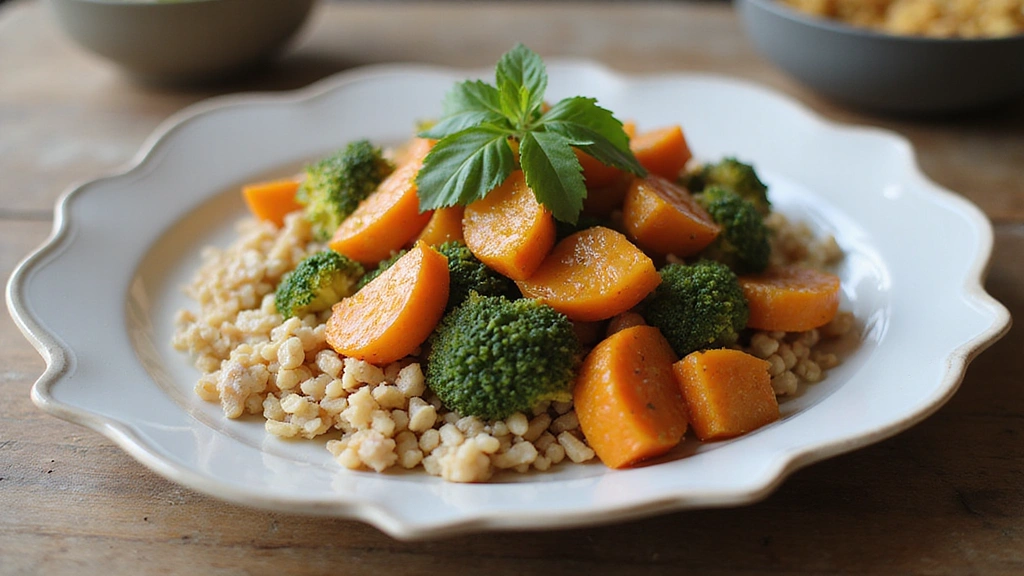
Digestive High Fiber Recipes are a delightful way to nourish your body while enjoying delicious flavors.
Packed with whole grains and vibrant vegetables, these dishes not only satisfy your hunger but also support digestive health.
I first encountered these recipes during a health-focused cooking class, where I learned how easy it is to incorporate fiber into everyday meals.
Whether you’re looking for a hearty breakfast, a satisfying lunch, or a light dinner, these recipes deliver wholesome goodness in every bite.
The History and Cultural Significance
• Digestive High Fiber Recipes trace their origins to various ancient cultures, where whole grains were a staple in the diet due to their nutritional benefits.
• The dish evolved over decades as culinary techniques advanced and health awareness grew, leading to modern adaptations that emphasize fiber-rich ingredients.
• In many cultures, these recipes traditionally appear at communal gatherings and celebrations, symbolizing health and abundance.
• While many variations exist across different regions, the authentic versions maintain a focus on whole grains and vegetables that set them apart from more processed dishes.
Recommended Products

Ready in 90 seconds - just microwave in pouch

SIMPLE & DELICIOUS: A pantry staple, Short Grain Brown Rice clings together when cooked. Its subtle, nutty aroma & flavor make it perfect for rice bowls & other everyday dishes that call for a soft, supple texture

Authentic Italian Farro: Grown and harvested in Italy, delivering premium quality pearled farro and the authentic taste of traditional Mediterranean grains.


Recipe Overview
Recommended Products

NUTRIENT BLEND: Quinoa may be a small seed, but it is full of nutrients that can help men and women of all ages live a better life. In every serving of our organic powder, you’ll find many nutrients, including fiber, protein, and iron, making it a great bonus to any meal at home or on the go.


Nutritional Information (per serving)
Recommended Products
REAL CHICKEN FIRST: This Blue Buffalo cat food is made with real, high-quality chicken as the #1 ingredient

DIGESTIVE CARE FORMULA: This vet-recommended high-protein cat food helps maintain stool quality and digestive health with clinically proven prebiotic fiber

DIGESTIVE SUPPORT: This cat food topper provides fiber and live, natural probiotics to help maintain digestive health

Ingredients
Recommended Products

Certified Organic Oat Fiber

Your New Pantry Staple: This 6 serving bag is the perfect addition to your morning routine. With 7g of protein per serving, this will tOATS be your new pantry staple and everyone’s favorite oatmeal

Your Daily Fiber - An excellent alternative to psyllium husk and other fiber supplements, Solaray Oat Fiber contains 11g of oat bran fiber, providing 5g of dietary fiber – 19% your recommended daily value – per serving.


Essential Equipment Guide
Food Processor: A food processor is crucial for efficiently chopping vegetables and mixing dough for high fiber recipes. Look for a model with multiple blade options to enhance versatility.
Large Mixing Bowl: A sturdy mixing bowl allows for easy combining of ingredients without risk of spillage. Choose a bowl with a non-slip base for added stability during mixing.
Ovenproof Baking Dish: An ovenproof dish is essential for roasting vegetables or baking fiber-rich casseroles. Opt for a heavy-duty glass or ceramic dish that can withstand high temperatures.
Recommended Products

POWERFUL PERFORMANCE: Equipped with a 1000-peak-watt motor, this Ninja food processor effortlessly handles tough ingredients, ensuring smooth and consistent results every time.
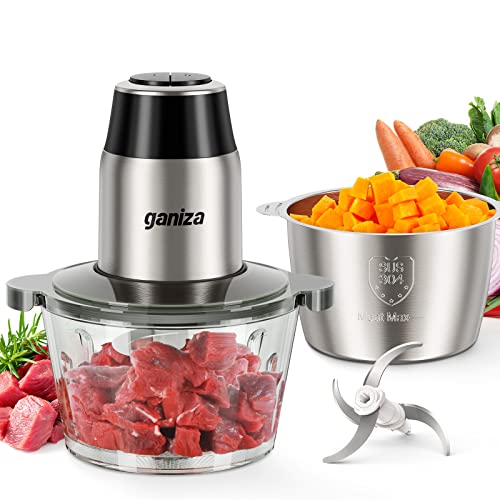
【Indispensable Kitchen Helper】GANIZA BPA-FREE food processor features 2 sets of blades and paired bowls (8-Cup glass bowl and 8-Cup stainless steel bowl). Easily chop meat, fish, vegetables, nuts, frozen fruit, or make a salad, guacamole, etc, the food chopper is ideal for multiple kitchen tasks!
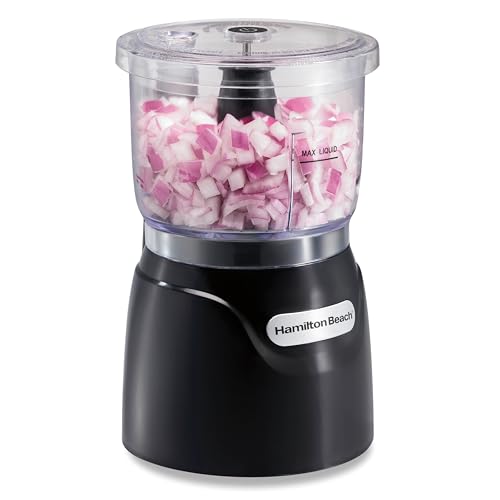
Simply stack and press to chop: The patented stack & press design makes it easy to assemble and use. Simply press the lid to chop and release to stop. Since all you do is stack the lid on top of the bowl, no difficult twist-locking is needed.

Preparation Methods
Rinsing Quinoa: Rinsing quinoa is essential to remove its natural coating, called saponin, which can impart a bitter flavor. Use a fine-mesh sieve and rinse under cold water for about 2 minutes, ensuring all grains are clean.
Chopping Vegetables: Properly chopping vegetables enhances their texture and allows for even cooking. Use a sharp knife and a steady cutting board, ensuring consistent sizes for uniform cooking.
Sautéing: Sautéing vegetables helps release their natural flavors and soften their texture. Heat olive oil in a pan over medium heat before adding the vegetables, stirring frequently for even cooking.
Recommended Products


No hydrogenated fats or high fructose corn syrup allowed in any food



Step 1: Prepare Ingredients
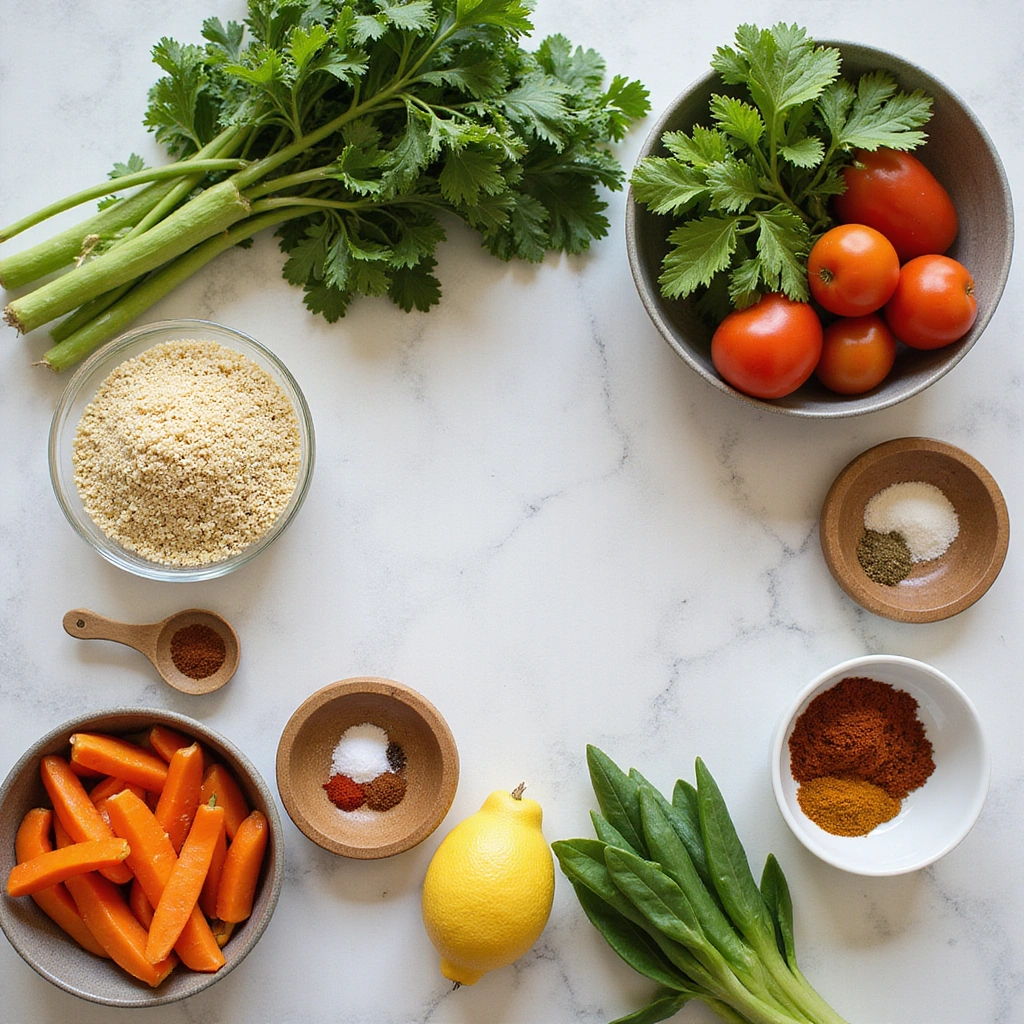
Gather all your ingredients on a clean countertop.
This includes quinoa, vegetables, seasonings, and herbs.
Make sure everything is washed and prepped for easy assembly.
Having everything ready will streamline your cooking process.
Recommended Products


EDGE GRAIN CUTTING BOARDS: THE CLASSIC CHOICE — Built for daily use, this edge grain wood cutting board is a true kitchen staple. The horizontal fibers create a solid, resilient, and non-porous surface that excels at resisting stains, making it your reliable partner for every meal.

Step 2: Rinse the Quinoa
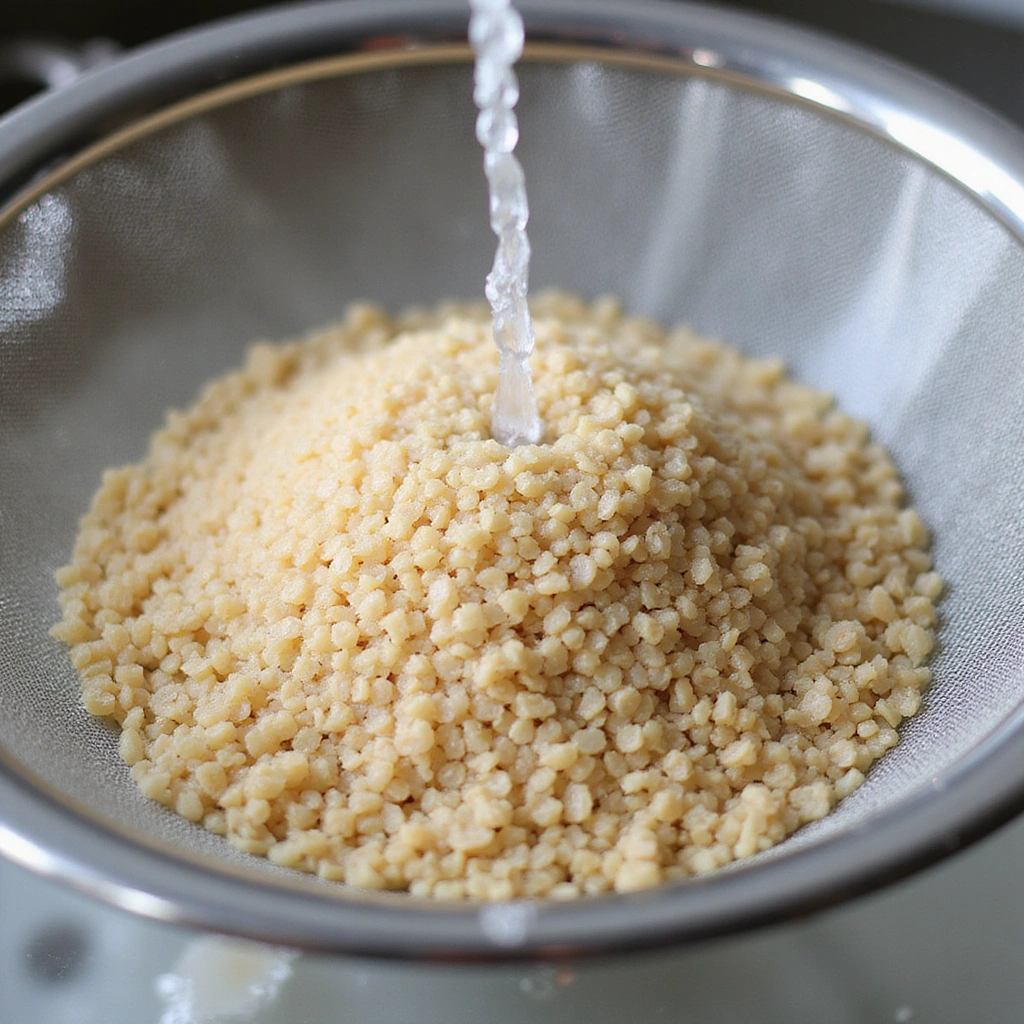
Place the quinoa in a fine-mesh sieve and rinse under cold running water.
Swirl the quinoa with your hand to ensure all grains are thoroughly rinsed.
This step is crucial to remove the bitter saponin coating.
Once rinsed, let the quinoa drain for a minute.
Recommended Products

SUPPORTS DIGESTIVE HEALTH: Ideal for cats with sensitive stomachs, this grain-free wet cat food is made with high-quality protein, prebiotic fiber to support gut health, Omega 3 fatty acids to nourish skin & coat, and essential vitamins and minerals to support overall wellbeing.


Shredded Meat - Moist, flavorful bits of shredded meat in every bite.
Step 3: Chop the Vegetables
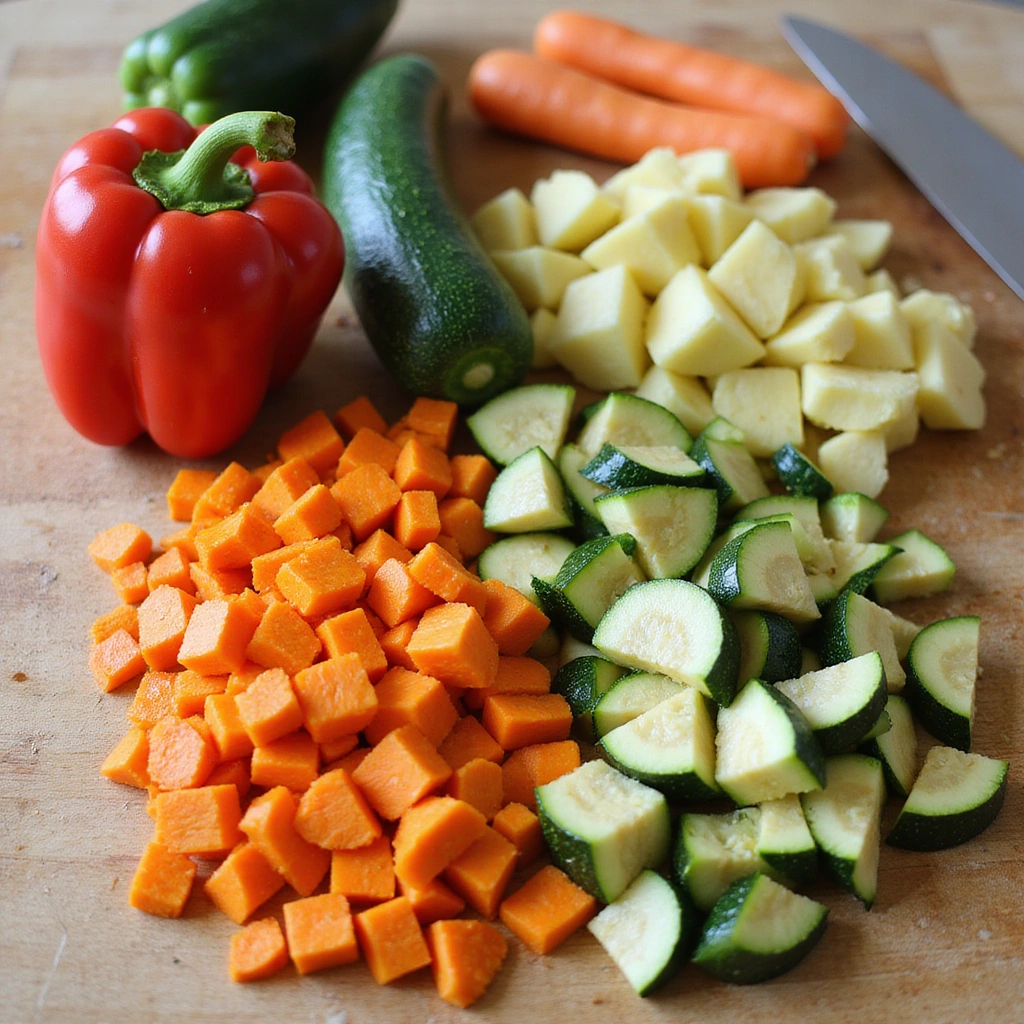
Using a sharp knife, chop the bell pepper, zucchini, and carrot into uniform pieces.
Aim for small, bite-sized pieces to ensure even cooking.
Take your time to maintain consistent sizes for a pleasing texture.
Keep the chopped vegetables in a bowl for easy access.
Recommended Products

ALL-NATURAL FIBER: Konsyl Daily Fiber Powder contains just one ingredient - powdered psyllium husk. Zero sugar, flavors, dyes, or preservatives; non-GMO, gluten-free goodness.

Pure Organic Oat Fiber – Made from 100% certified organic oats, gently processed into a fine, versatile powder.

DIGESTION AND REGULARITY SUPERFOOD DRINK. High fiber supplement powder blend with Psyllium Husk, Apple & Oat Fiber. Promotes comfortable bowel movements, feelings of fullness and intestinal transit.
Step 4: Sauté the Vegetables
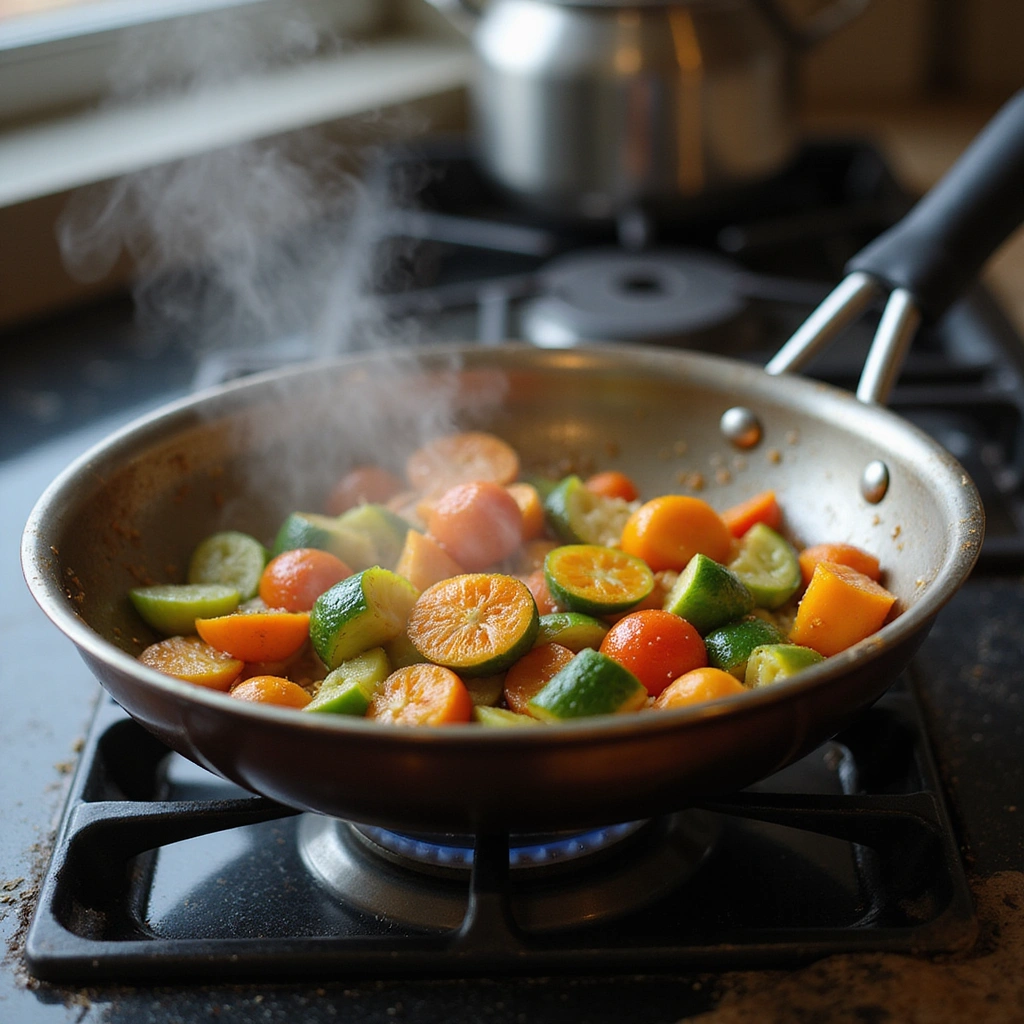
In a large skillet, heat olive oil over medium heat.
Add the chopped vegetables and a pinch of salt.
Sauté for about 5-7 minutes, stirring frequently until they soften.
Look for a vibrant color change and a slight browning on the edges.
Recommended Products

Built-in bowl scraper saves time. Quickly process ingredients without stopping to use a spatula. Simply move the scraper from side-to-side to scrape the bowl while the food processor is running or the power is off — no need to remove the lid.

SUPERIOR FUNCTION: The Cuisinart Mini-Prep Plus Food Processor offers an efficient 250-watt motor and patented reversible stainless steel blade to quickly chop herbs, dice vegetables, and grind hard cheese


Step 5: Cook the Quinoa
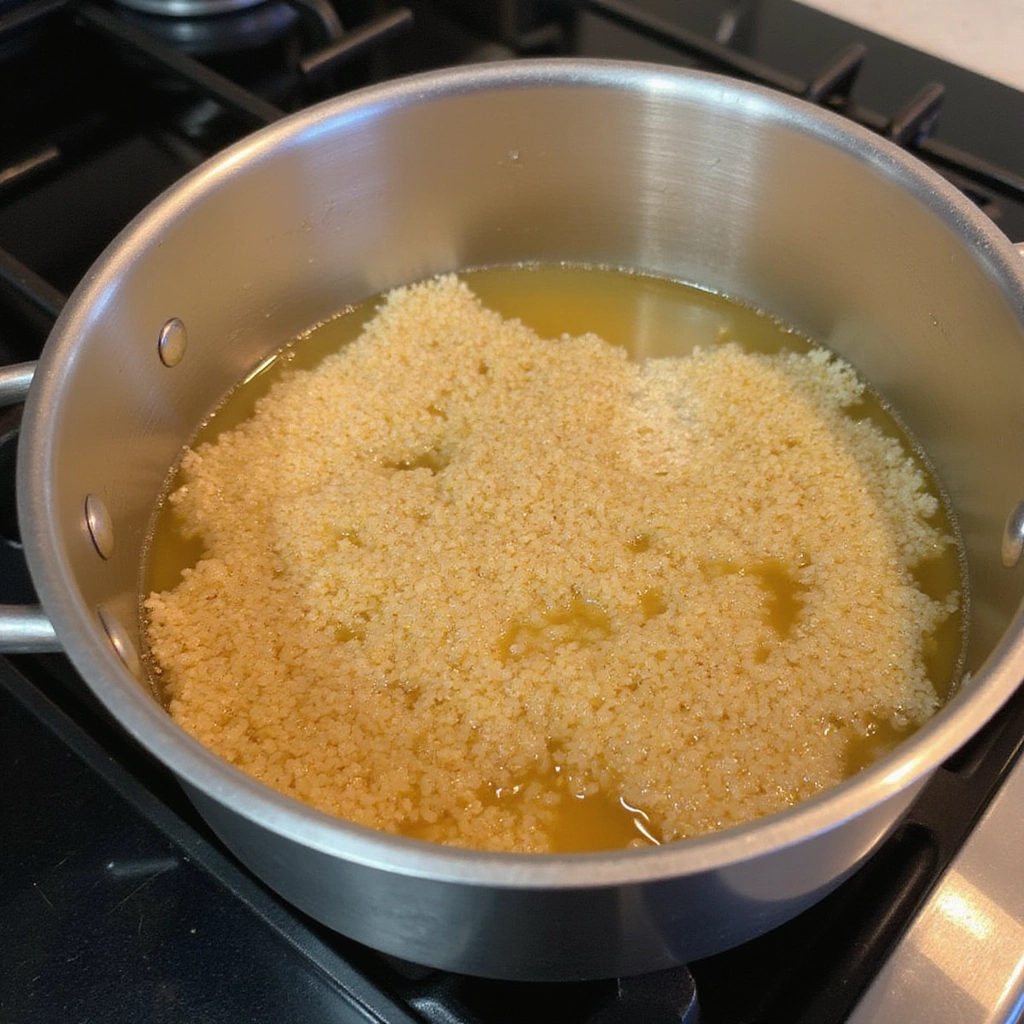
In a separate saucepan, combine the rinsed quinoa and vegetable broth.
Bring the mixture to a boil over high heat.
Once boiling, reduce heat to low, cover, and simmer for 15 minutes.
The quinoa is done when all the liquid is absorbed and the grains are fluffy.


Step 6: Combine Ingredients
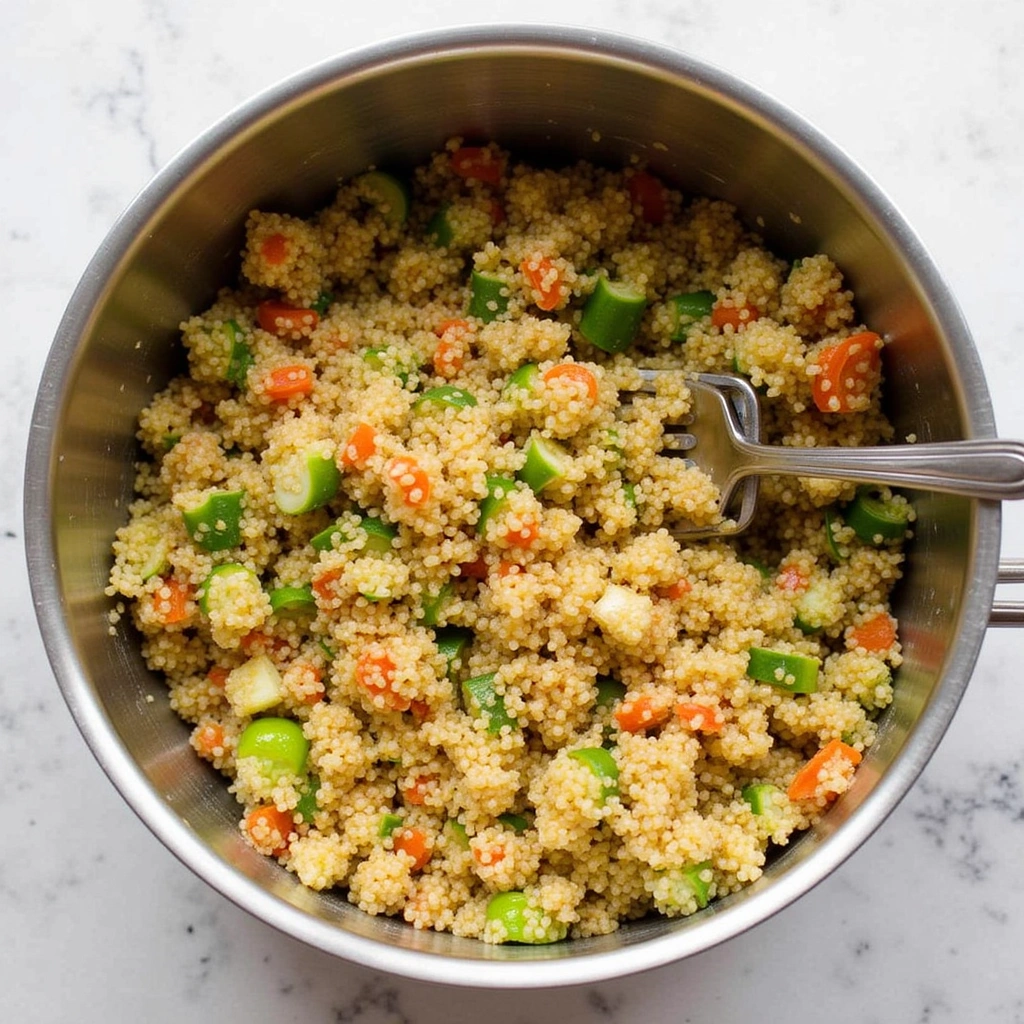
Once the quinoa is cooked, fluff it with a fork and add it to the sautéed vegetables.
Mix thoroughly to combine all the flavors and textures.
Taste and adjust seasoning if necessary with additional salt or pepper.
This step ensures every bite is flavorful and cohesive.
Step 7: Add Fresh Herbs
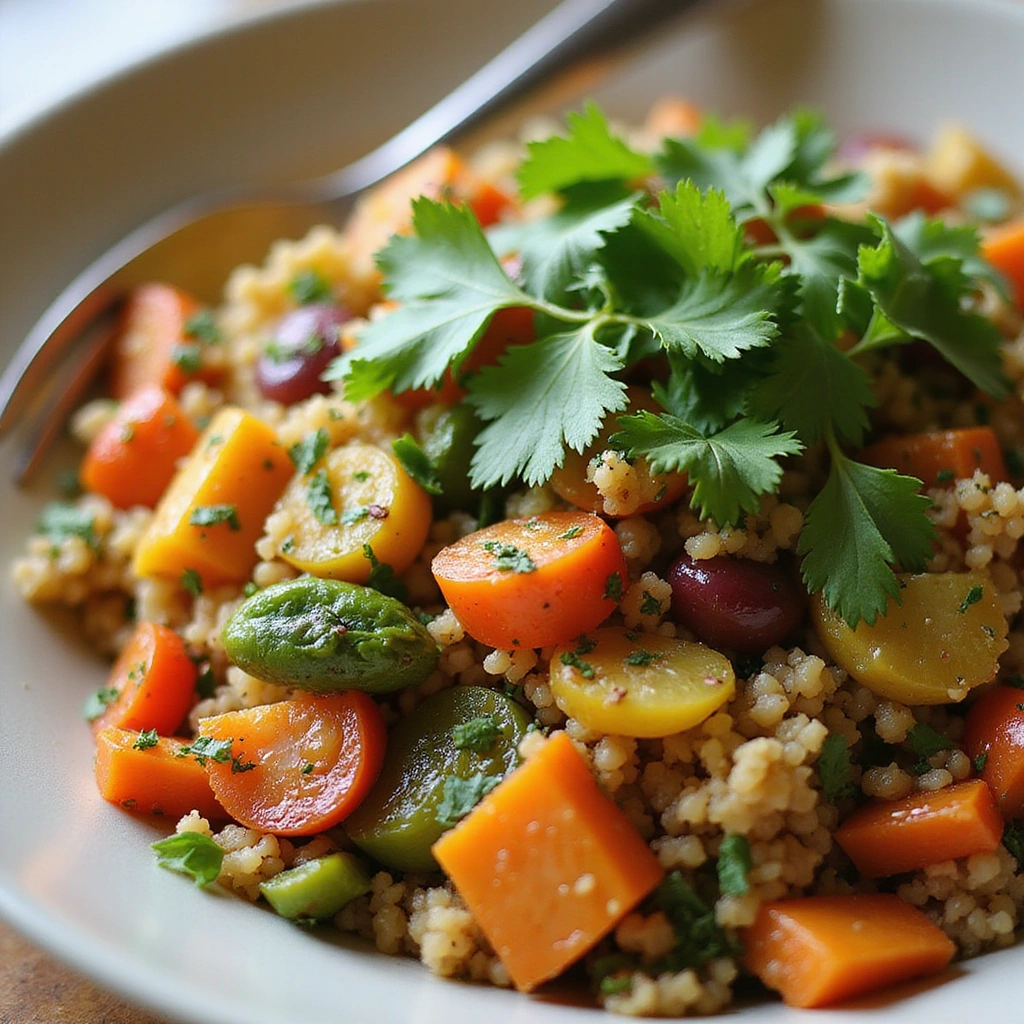
Finally, add the chopped fresh parsley and basil to the mixture.
Gently fold them in to preserve their freshness and aroma.
These herbs will enhance the overall flavor profile of the dish.
Serve immediately for the best experience.
Step 8: Serve and Enjoy
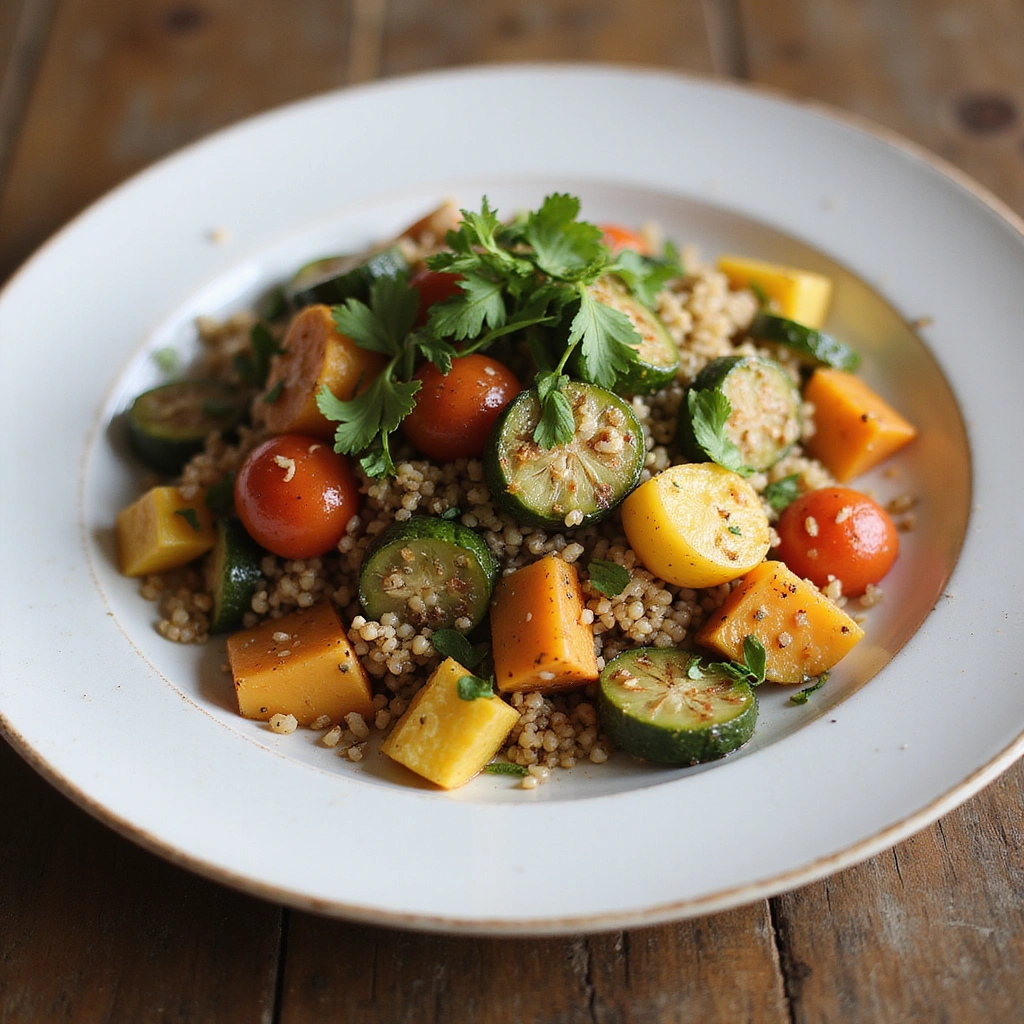
Transfer the quinoa and vegetable mix to a serving platter or individual bowls.
Garnish with additional herbs if desired for a beautiful presentation.
This dish can be served warm or at room temperature.
Enjoy the nutritious flavors with your family or friends.


Critical Timing and Temperature Guide
Cooking Quinoa: Cook quinoa for exactly 15 minutes over low heat after boiling. Look for the liquid to be fully absorbed and the grains fluffy. Common mistakes include overcooking, which can make quinoa mushy.
Sautéing Vegetables: Sauté vegetables for 5-7 minutes until they are tender but still vibrant in color. They should be soft but not falling apart. Avoid overcrowding the pan to ensure even cooking.
Serving Temperature: Serve the dish warm for the best flavor experience. If allowed to cool too much, the flavors may dull, and the texture may harden.
Pro Tips for Digestive High Fiber Recipes
• Ingredient Selection: Choose high-quality, organic quinoa and fresh seasonal vegetables for the best flavor and nutritional value.
• Preparation Secret: Soaking quinoa for 30 minutes before rinsing can enhance its digestibility.
• Temperature Management: Ensure all ingredients are at room temperature before cooking to promote even cooking.
• Texture Enhancement: Fluff quinoa gently with a fork to keep it light and airy; avoid stirring too vigorously.
• Flavor Layering: Adding herbs towards the end of cooking preserves their flavor and aroma, enhancing the overall dish.
• Make-Ahead Strategies: Cook quinoa a day in advance and store it in an airtight container in the fridge to save time.
• Restaurant-Quality Finishing Touches: A drizzle of high-quality olive oil before serving can elevate the dish’s flavor.
• Equipment Optimization: Use a non-stick skillet for sautéing to minimize the amount of oil needed and prevent sticking.
Troubleshooting Common Issues
• Quinoa Too Mushy: Overcooking or using too much liquid can result in mushy quinoa. To fix this, reduce cooking time and ensure the correct liquid-to-quinoa ratio. Rinse thoroughly before cooking to remove excess starch.
• Vegetables Too Soft: Cooking vegetables for too long will make them mushy. Stir-fry just until tender and vibrant. Keep an eye on them to ensure they retain some bite.
• Flavors Unbalanced: If the dish tastes bland, adjust seasonings gradually. Adding acid, such as lemon juice, can brighten flavors. Taste as you go!
• Texture Lacking: If the dish feels flat, consider adding nuts or seeds for crunch. This will add a delightful contrast to the soft quinoa and vegetables.
• Dish Too Dry: If the mixture seems dry, add a touch of vegetable broth or olive oil to moisten it. Stir well to combine the added moisture evenly.
• Herb Flavor Missing: If the dish lacks freshness, add more fresh herbs just before serving. This will enhance the aroma and flavor profile.
Variations and Regional Differences
• Mediterranean Variation: This version incorporates olives, feta cheese, and sun-dried tomatoes, giving it a tangy and savory flavor profile. Additionally, a splash of balsamic vinegar can enhance the dish’s complexity.
• Asian-Inspired Variation: Replace quinoa with brown rice and add soy sauce, sesame oil, and green onions for an umami twist. Incorporate edamame for extra protein and fiber.
• Mexican Style Variation: Add black beans, corn, and taco seasoning to the base recipe, serving it with avocado and fresh lime for a zesty kick.
• Modern Interpretations: Contemporary takes on high fiber recipes often include plant-based protein sources like lentils or chickpeas, enhancing the nutritional profile while keeping flavors exciting.


Food Science Behind the Recipe
• Saponin Removal: Rinsing quinoa effectively removes saponins, which can impart a bitter taste. Understanding this helps ensure the final dish is palatable and enjoyable.
• Flavor Development: Sautéing vegetables at the right temperature caramelizes their natural sugars, enhancing their sweetness and overall flavor. This Maillard reaction is key to developing rich flavors in the dish.
• Fiber Benefits: The high fiber content from quinoa and vegetables aids in digestion and promotes satiety, making the dish not just tasty but also beneficial for health.
Frequently Asked Questions
What’s the most common mistake people make when preparing Digestive High Fiber Recipes? The top mistake is not rinsing quinoa, leading to bitterness. Always rinse quinoa thoroughly before cooking to ensure a pleasant taste.
Can I prepare components of this dish in advance? Yes, quinoa can be cooked a day ahead and stored in the fridge. Vegetables can be chopped in advance as well.
How do I adapt this recipe for dietary restrictions? For gluten-free needs, ensure all ingredients are certified gluten-free, particularly broth and any processed items.
What’s the best way to store and reheat leftovers? Store leftovers in an airtight container in the fridge for up to 3 days. Reheat in a microwave or stovetop with a splash of water to retain moisture.
Can I freeze this dish? Yes, you can freeze the cooked quinoa and vegetable mix for up to 3 months. Thaw overnight in the fridge before reheating.
What wine or beverages pair best with this dish? A crisp white wine like Sauvignon Blanc pairs well, enhancing the dish’s fresh flavors.
How can I scale this recipe up for a crowd? Simply multiply the ingredient quantities by the number of servings desired, ensuring even cooking times remain consistent.
What side dishes complement this recipe best? A simple green salad or roasted vegetables make excellent side dishes, providing additional nutrients and textures.
How do professional chefs elevate this dish for restaurant service? Professional chefs often use plating techniques that highlight color and texture, adding a drizzle of balsamic reduction or a sprinkle of microgreens for visual appeal.
Serving and Presentation Guide
• Traditional Presentation: Serve quinoa and vegetables in a large bowl, garnished with fresh herbs on top for a rustic look. This communal style encourages sharing and highlights the dish’s wholesome nature.
• Modern Plating Ideas: For a contemporary touch, plate individual servings with a drizzle of olive oil and a sprinkle of sea salt. Use contrasting colors and textures to enhance visual appeal.
• Accompaniment Suggestions: Serve with a side of Greek yogurt or a light vinaigrette to add creaminess and tanginess. This complements the dish’s flavors beautifully.
• Special Occasion Presentation: For formal events, serve in elegant dishes with edible flowers or microgreens as garnish, creating a visually stunning centerpiece.
Conclusion
Digestive High Fiber Recipes are not just a means to nourish the body but also a way to explore new flavors.
I encourage you to try this recipe and experience the balance of health and taste.
With each bite, you’ll appreciate the effort put into preparing a meal that supports your well-being.