
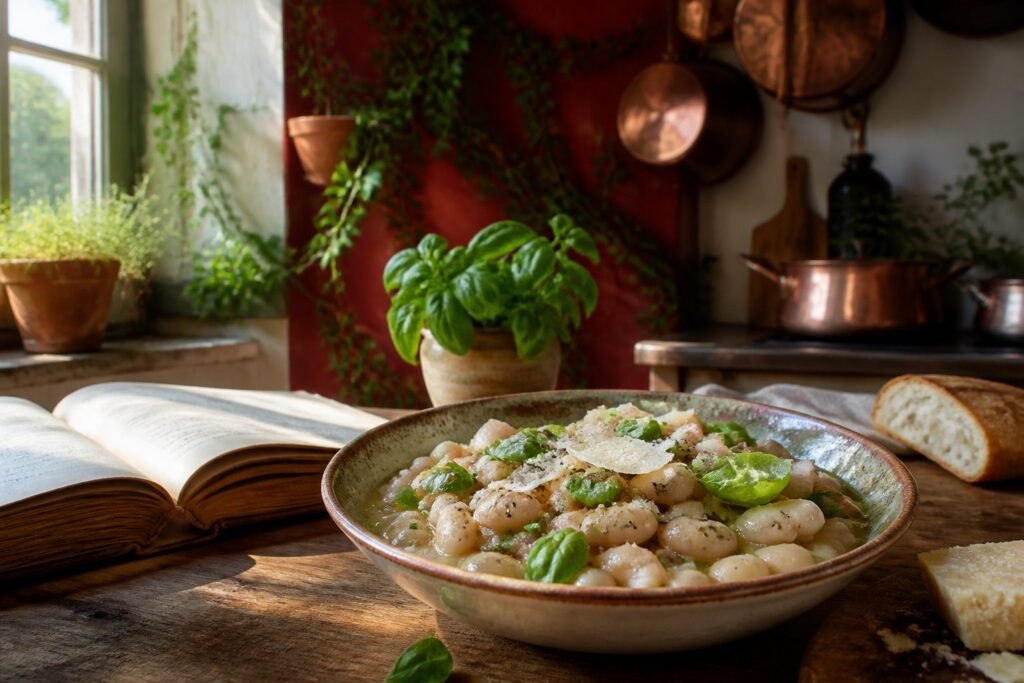
The best cannellini bean recipe for your evening depends on whether you have fifteen minutes or forty-five.
A quick skillet with garlic and shaved Parmesan comes together faster than takeout, while a Tuscan stew demands the full simmer for beans to turn velvet-edged and creamy. Either way, the fiber keeps you full past bedtime.
1. Garlic Parmesan White Beans

Garlic Parmesan White Beans is a 15-minute skillet dish that relies on canned beans for speed.
Two drained cans of cannellini beans go into the pan with 3 to 4 minced garlic cloves and a cup of halved cherry tomatoes, all warmed through with olive oil until the tomatoes slump slightly and the garlic turns fragrant.
Shaving the Parmesan to somewhere between ¼ and ⅓ cup gives you enough to melt into a light coating on the beans without turning the whole thing into a heavy dairy bake; the cheese should be scattered in at the end so it clings rather than disappears.
A handful of chopped parsley and a squeeze of lemon juice finish it, though I keep Aleppo pepper and cumin on the counter for nights when I want a little more backbone.
One skillet means the cleanup matches the cooking time, which is the real appeal on a Wednesday.
The beans come out creamy-crusted in spots, tart from the tomatoes, sharp with garlic, and just substantive enough to eat straight from the pan or pile onto toasted bread if you are feeding more than yourself.
Recommended Products

CANNELLINI WHITE KIDNEY BEANS: Tender, delicious white kidney beans that taste great in many recipes

PLANT BASED POWER- Our Cannellini beans are high in protein and fiber, low in sodium, and are gluten free.

Grown in Italy - This product is authentically grown in Italy to preserve the original essence of the product.
2. Creamy Skillet White Beans with Greens and Parmesan

Three cups of cannellini beans turn into dinner faster than most pastas.
I keep both dried and canned on hand for this reason: a pair of 15-ounce cans rinsed and drained saves the overnight soak, but beans cooked from dried hold their shape a little better in the skillet. Either way works.
The sauce builds in about 15 minutes. Warm olive oil in a wide skillet, add plenty of sliced garlic, then pour in 1/4 cup heavy cream once the garlic turns fragrant.
The cream reduces quickly. Stir in the beans and let them absorb the garlic flavor, then fold in 3 cups of leafy greens.
Spinach wilts almost instantly; sturdier greens like kale need a minute longer. A shower of Parmesan at the end makes the sauce cling.
The whole dish reads as a side, but a bowl of it with crusty bread is a complete meatless dinner. Cooked chicken, shrimp, or sausage can go in if you want more protein.
Recommended Products

Sauce Mix with the rich flavors of Parmesan cheese and garlic

Bundle of 2 Parm Garlic Sauces

✔️PREMIUM ORGANIC CANNELLINI BEANS: Made in Italy, Organic Italian Canned Cannellini Beans from Food to Live are Non-GMO, unsalted, and ready to eat straight from the can. Perfect for soups, salads, and more.
3. White Turkey Chili

White turkey chili lands at about 45 minutes on the stove, which makes it the slow outlier in this roundup.
That time matters because the spices need a real simmer to bloom into something that reads as chili and not just seasoned turkey soup.
I build the base with cumin, oregano, and a little smoked paprika, then add the beans once the turkey is fully browned so they don’t turn to mush before the broth reduces.
One cup of cannellini beans is enough to thicken the pot without tipping it into bean-stew territory. The starch in their creamy interior gives the broth body that navy or black beans never quite match.
For weeknights, this one fits best on an evening with twenty minutes of hands-off simmer time while homework happens or the dishwasher gets emptied.
The 47 mg cholesterol and 510 mg sodium per cup with sour cream keep it reasonable on paper, though the real win is coming back to a pot that tastes like something that cooked twice as long.
Recommended Products
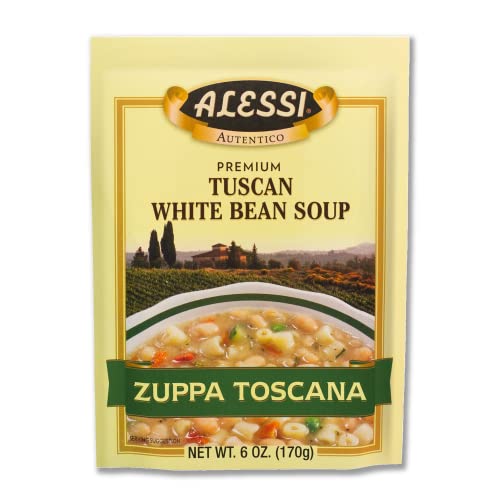
Authentic Italian soup mix full of beans, vegetables, pasta, and select spices

Durable & Chip-Resistant: The porcelain enamel surface is expertly applied to steel, creating a chip-resistant bean pot designed to last. Its non-porous surface ensures long-lasting durability.

4. Tuscan Stewed Beans

Tuscan stewed beans are the slow-building dinner that rewards a little patience with real depth. Onions, carrots, and celery soften in olive oil until they turn sweet and jammy, then garlic and tomato paste go in to darken and concentrate.
A can of whole tomatoes, crushed by hand, creates the simmering liquid where the beans spend the next stretch.
The cannellini beans themselves shift noticeably in that time.
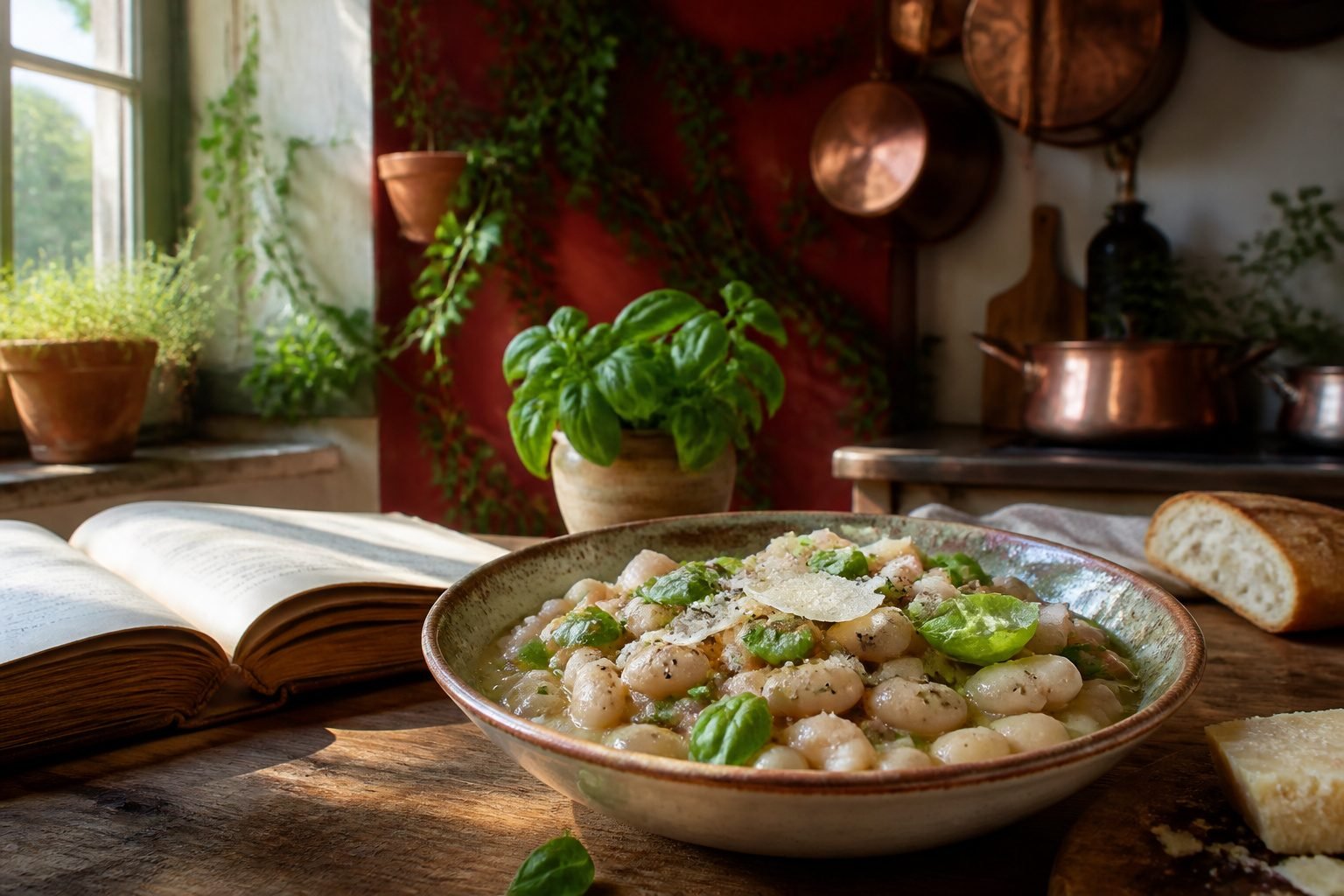
Straight from the can they hold a firm, almost chalky center; forty minutes at a gentle bubble turns them creamy and velvet-edged, with the skins relaxed enough that some split and help thicken the broth into something that coats a spoon.
Dried herbs work fine if fresh aren’t on hand, and a splash of white wine at the start adds backbone without reading acidic.
The stew keeps improving overnight, so making it ahead is less compromise than strategy. Serve it with toasted bread and a green salad, or thin it slightly and ladle over polenta.
Recommended Products

Organic cannellini beans

One 15.5-ounce can of Cannellini Beans

CANNED CANNELLINI BEANS: A go-to bean for adding hearty flavor to pasta dishes, tuna salads and, of course, minestrone.
5. Cannellini Bean Soup

A weeknight soup lives or dies by its proportions, and this one gets them right.
Three cans of cannellini beans to two cups of vegetable broth gives you a pot that starts brothy and finishes creamy without any cream at all.
I rinse the beans first, then dump in one can of cherry tomatoes with their juices, which breaks up the beige.
The whole thing simmers for about 35 minutes. Half an hour in, the beans start falling apart and the liquid turns silken.
By hour two, off the heat, it is thick enough to cling to a spoon; if you want tomorrow’s lunch to stay soupy, thin it with another half cup of broth when you reheat.
No immersion blender needed, no special pot. A Dutch oven works, but so does any four-quart soup pot you already own.
Recommended Products

Cannellini (White Kidney Beans) are soaked overnight, and pressure cooked with no chemical additives at Eden Foods’ cannery in Indiana.

The information below is per-pack only

One 15.5 ounce can of Dark Red Kidney Beans
6. Cannellini Beans with Sage and Garlic

Warm olive oil in a 10- or 12-inch skillet over medium heat until it shimmers with tiny bubbles, then drop in smashed garlic cloves and fresh sage leaves.
In about one to two minutes, the garlic turns slightly golden and the sage frizzles and curls, releasing a toasty, almost popcorn-like aroma that flat sage never gives you.
That sizzle is what matters: the hot oil takes the herb from soft and grassy to crackling and intense.
Add two cans of drained cannellini beans, along with the aquafaba clinging to them.
Skip rinsing; that starchy liquid helps the beans go creamy as you stir. A pinch of kosher salt and pepper finishes it.
This ten-minute dish works best as a side, not a centerpiece.
The flavors are bold but one-note, and the texture, while creamy, stays pretty uniform on the plate. It wants a pork chop, a roast chicken, or a simple sausage resting against it.
7. White Bean Hummus

Cannellini beans make a hummus so smooth it barely needs oil to reach a spreadable consistency.
The skins are thinner than a chickpea’s, so the blender doesn’t leave behind that faint grit even after a long run. The texture lands somewhere between Greek yogurt and classic hummus, with less tug against a pita chip.
Tahini still belongs here, and lemon, and a clove of garlic. But the neutral bean lets other flavors sit forward without fighting the earthiness you get from chickpeas.
Owners on Reddit mention blending in a handful of thawed kale for a lunch spread on flatbread with cucumber slices, or thinning the same base with stock later to eat as soup.
One home cook’s accidental Aldi purchase, a can of cannellini swapped for missing garbanzos, became their house recipe mixed half and half.
Fresh thyme and basil work the way they do in a white bean soup: the herbs read louder because the canvas is quieter.
A spoonful of Dijon helps the whole thing hold together and brightens the finish without adding acid. The batch keeps in the fridge for the week, or freezes in single portions to thaw as needed.
Recommended Products

Stock your pantry with 15.5 oz recyclable cans of Bush’s Cannellini Beans Bush’s Cannellini Beans are large, smooth beans with a shiny finish, silky texture and rich...
8. Roasted Tomato and Cannellini Bean Pasta

Roasting tomatoes at high heat does something raw tomatoes refuse to do in a quick sauce: it drives off excess water while concentrating sugars into something jammy and slightly charred.
The oven handles the time, not your stove. That concentrated sweetness needs balance, which is where cannellini beans earn their keep not in flavor but in function.
They add creaminess without dairy, substance without meat, and enough protein to make pasta a complete dinner. The beans stay whole enough to hold their shape when folded in at the end, softening slightly into the roasted tomato base.
I like to mash about a quarter of them against the side of the pot to thicken the sauce without reaching for cream or a second pan.
A handful of torn basil and grated Parmesan finishes it, though the dish works without either if the pantry is bare. Total active time stays under 30 minutes, and cleanup is one sheet pan plus the pot.
Recommended Products

Classic Italian White Kidney Bean – Cannellini beans are creamy off-white kidney-shaped legumes widely used in traditional Italian cooking.
9. Cannellini Bean Salad

A cold cannellini bean salad is the only dish in this lineup that stays fully chilled from prep to plate, which makes it worth understanding how the components behave once they hit the bowl.
Cucumbers, celery, and raw red onion hold their crunch for two to three days without turning flabby; tomatoes and fragile greens do not, so I leave those out unless the salad disappears in a single sitting.
The vinaigrette is where the beans teach you something. Their starch grabs onto acid and oil, thickening the dressing until it coats rather than pools.
That cling is pleasant at first, but after a night in the refrigerator the beans drink up almost all the liquid and the salad can read dry.
I make the dressing slightly sharper than I want it to taste right away, knowing the beans will mellow it by the next day. An extra splash of vinegar before serving brings it back to life.
Rinsed canned beans work here without apology. Their skin is already softened, so they absorb flavor faster than dried beans that you have cooked yourself, and for a cold dish that absorption is the point.
Recommended Products

Organic unsalted cannellini beans

CREAMY WHITE BEANS | GOYA Cannellini are the star ingredient in many traditional dishes, like Galician-Style Soup. Their great flavor makes them ideal for soups, stews, casseroles and salads

CANNED CHILI BEANS: We slow cook great northern beans until they're tender, then simmer them in a white chili sauce perfectly seasoned with garlic, cumin and onion
10. Italian Sausage and White Bean Braise

A bold sear on the sausage is worth the extra 5 minutes, though it can go straight in if you are truly pressed for time.
I brown it first, let the slices crisp in spots, then lift them out so the rendered fat stays in the pot.
The beans go in afterward and basically fry in that fat for a minute before any liquid hits them.
They take on a nuttiness they would not get from a quick sauté, where the beans stay too firm and never quite absorb the meat’s flavor.
The braise itself is gentle and mostly unattended. Once the beans are in with the sausage, some broth, and a few aromatics, the lid goes on and the heat drops.
The beans soften gradually and swell with the seasoned fat. The texture ends up creamy without falling apart, which a hotter, faster pan would risk.
A dry bean holds its shape; a canned one turns velvety in about half the time. Either works, but the canned kind needs less liquid since they bring some of their own.
Recommended Products

One 15.5 ounce can of Garbanzo Beans

Goya Dry Cannellini Beans are related to navy and great northern beans, and are sometimes referred to as white kidney beans.

One 15 oz can of Van Camp's Pork and Beans
From Canned or Dry

Seven and a half cups of dry white beans equals approximately two cans, which is what most of these recipes call for.
The dry ones need an overnight soak, then two to three hours simmering on the stove until they are tender but not mushy. A piece of kombu in the pot helps digestion, though plenty of cooks skip it.
6 hours 30 minutes plus overnight soaking
The time is real. For a Sunday project or a slow-Saturday soup, that hands-off simmer builds a creamier bean with slightly better hold.
On a Tuesday night, the canned version lands dinner on the table in thirty-five minutes, and the difference in most stews and braises is smaller than you’d think.
Three-quarters of a cup dry replaces one 15-ounce can if you do go that route. Dirt cheap and pantry-stable, dry beans win on cost and storage; canned wins on actually happening when you’re hungry.
What to Serve With Them

A slice of bread turns most cannellini bean dishes into a full meal, but the kind of bread matters. Soups and stews with broth to spare need something absorbent, while creamy, dry preparations pair better with a crisp contrast.
- Crusty bread belongs with soup and stew. A bean soup or slow-cooker cassoulet has liquid that wants soaking up, and a thick slice of crusty bread, baguette, or warm focaccia does that job. The bread should tear, not crumble, so it can be pressed into the bowl without disintegrating.
- Salads give a crisp counter to creamy beans. When the beans are already rich, a lettuce or spinach-arugula salad adds the crunch and acidity that keeps the plate from going flat. This is the move for sauced beans or anything finished with cheese.
- Some dishes stand alone. A pasta with roasted tomato and cannellini beans already carries its own starch and chew. Bread on the side just competes.
- Meat mains turn beans into the side. White turkey chili or sausage and bean braise already have protein at center stage; a simple green salad rounds the plate without overbuilding it.
Storing and Reheating

Leftovers keep about 4 days in airtight containers in the fridge, and soups in particular freeze well.
Bean salads, though, I’d eat within that window and not bother freezing; their texture rarely comes back the same. When I reheat beans in a skillet, a splash of water — no more than ¼ cup — revives anything that’s dried out overnight.
For soup, let it reheat gradually on the stovetop while you stir. Cooled portions go straight into the freezer in containers I can grab one-handed later, which matters more than I’d expected when I’m fishing through ice at 6 pm.
Bean Protein and Fiber

A cup of cooked cannellini beans carries about 19 grams of fiber and roughly 15 grams of protein.
That fiber total is close to two-thirds of what most people need in a full day, which helps explain why bean dishes keep me full through an evening without snacking.
The protein side is more modest than meat or tofu, but it stacks up well against other pantry staples.
In the bean salad my family reaches for most often, a serving delivers 8 grams of protein and 8 grams of fiber at 199 calories.
A Tuscan-style preparation I make with greens lands higher on fat from olive oil but still hits 11 grams of protein and 7 grams of fiber per bowl.
I do not track macros carefully.
I notice the practical effect: meals built on cannellini beans tend to satisfy longer than pasta or rice alone, and the fiber explains why. For weeknight cooking, that matters more than any nutrition label.
Frequently Asked Questions
Can I make cannellini bean recipes from dry white beans instead of canned?
Yes. Three-quarters of a cup dry beans replaces one 15-ounce can, but you will need to soak them overnight and simmer for two to three hours until tender.
What can I serve with cannellini beans?
Crusty bread for soups and stews, salads for creamy bean dishes, and nothing extra for pasta with beans already built in. Meat mains like white turkey chili or sausage braise only need a simple green salad to round the plate.
How do I store leftover cannellini bean dishes?
Keep them about 4 days in airtight containers in the refrigerator.
Soups freeze well in single portions; bean salads do not freeze successfully and should stay in the fridge. A splash of water revives skillet beans that dried out overnight.
What can I do with canned cannellini beans?
Blend them into creamy white bean hummus, simmer them in soups and stews, fold them into pasta for heft and protein, or sauté them with sage and garlic as a rustic side dish.
Which is healthier, cannellini beans or chickpeas?
Cannellini beans carry about 19 grams of fiber and 15 grams of protein per cooked cup, with thinner skins that blend into smoother hummus without the faint grit chickpeas can leave behind.
Their neutral flavor also lets other seasonings read louder than chickpea’s earthiness allows.
What seasoning is best for cannellini beans?
Garlic and sage fried in hot olive oil is the classic Tuscan approach, while cumin, oregano, and smoked paprika build chili depth. Their mild canvas takes bold flavors well.
What is the difference between a white bean and a cannellini bean?
Cannellini beans are one type of white bean, also called white kidney beans.
They are larger and heartier than navy or great northern beans, with a creamy texture when cooked. Other white bean varieties include smaller navy beans, medium firm great northerns, and buttery baby limas.