
Some weeknight dinners ask for 35 minutes of passive simmering; others demand you stand over a hot skillet and tend.
The deciding factor is how much you pressed your tofu beforehand, or whether you remembered to soak cashews at lunch, or if yesterday’s rice is already cold in the fridge.
One recipe here turns a near-empty kitchen into vegan chicken wraps in ten minutes flat, using nothing but refrigerated seitan strips and a bag of pre-cut slaw still cold from the crisper.
1. Vegan Chicken Wraps

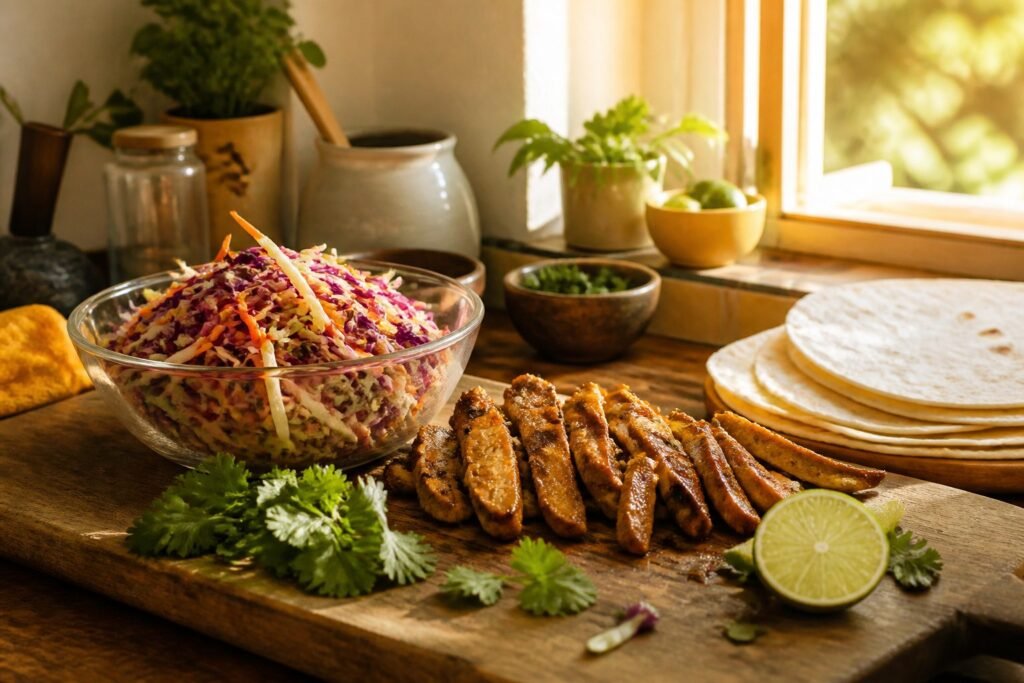
A package of pre-cut slaw mix turns these wraps into a 10-minute dinner when the fridge is nearly empty.
I like the refrigerated strips of seitan-based chicken best for this, the ones sold near the tofu; their edges crisp in a hot skillet in about the time it takes to shake dressing onto shredded cabbage.
The slaw mix does two jobs: crunch and bulk, no chopping required. Warm the strips until they spot with brown, then toss them straight into flour tortillas with the crunchy vegetables still cold from the bag.
A squirt of bottled ranch or a swipe of hummus holds everything together without extra bowls to wash.
The contrast of hot faux chicken and cool, crisp slaw is what makes this feel like an actual meal rather than a desperate assembly.
Recommended Products

Good source of protein

NUCO COCONUT WRAPS — ALL NATURAL, 10-COUNT 2-PACK — Two packs of five (5) all-natural Original Coconut Wraps made from 3 simple ingredients: coconut meat, coconut water, and virgin coconut oil. The same clean NUCO formula in an all-natural format — no USDA Organic seal on this SKU.

Zesty & Fresh Flavor: Enjoy the naturally sweet taste of carrot paired with the warm, gentle spice of ginger for a bright, refreshing sushi experience. This flavorful blend adds a unique twist to traditional sushi rolls and brings a fresh, veggie-forward taste to homemade meals and snacks.
2. Healing Lemongrass & Mushroom Broth

Lemongrass needs a sharp bruising before it goes into the pot; the back of a chef’s knife works, or the flat side if you own one.
That outer layer peels away like thin paper, and the softer inner stalk gets sliced into 2-inch lengths that you can fish out later.
Shiitake hold their shape through a simmer without turning to rubber, which matters when this soup is the whole meal and not something you push aside for the main event.
Cremini work in a pinch, but they soften faster, so the timing shifts.
The broth builds in about 35 minutes, most of it passive, and a scoop of rice or rice noodles dropped in during the last 10 minutes turns it from a starter into dinner.
I reach for this when someone at the table is fighting off a cold, or when the weeknight clock says 7:15 and the appetite says something warm. The rice is the key: without it, you’re hungry again by nine.
Recommended Products

Classic American Coleslaw Flavor: Concord Foods Coleslaw Seasoning Mix delivers the familiar creamy coleslaw taste that's been a staple at backyard BBQs, and cookouts for generations - a balanced blend that makes a consistent coleslaw dressing every time

Classic American Coleslaw Flavor: Concord Foods Coleslaw Seasoning Mix delivers the familiar creamy coleslaw taste that's been a staple at backyard BBQs, and cookouts for generations - a balanced blend that makes a consistent coleslaw dressing every time

Classic American Coleslaw Flavor: Concord Foods Coleslaw Seasoning Mix delivers the familiar creamy coleslaw taste that's been a staple at backyard BBQs, and cookouts for generations - a balanced blend that makes a consistent coleslaw dressing every time
3. Creamy Kimchi Pasta

A creamy cashew sauce carries the real weight in this dish, but the kimchi is what makes it taste like something you actually want to eat on a Tuesday.
Soak the cashews for at least 4 hours, or pour boiling water over them and let them sit covered while the pasta water comes to a boil.
The softer they get, the silkier the sauce blends, and grit is the one thing that kills the whole effect.
The funk hits against the richness in a way that keeps each bite from going flat. Kimchi brings acid, heat, and that fermented depth that cuts through fat without thinning the sauce out.
Use a short, ridged pasta like rigatoni or fusilli; the grooves and tubes catch the sauce better than long strands, which leave half the flavor on the plate.
This one does not reheat well.
The cashew base tightens and separates in the microwave, and the kimchi loses its snap by day two. Make only what you will eat that night.
Recommended Products

Savory mushrooms, garlic and sea salt combine to make a fragrant, rich broth

great for intermittent fasting & keto and better than bone broth

Dietary Specifications: Gluten free, vegan, keto friendly and kosher certified product
4. Kimchi Fried Rice

Cold, day-old rice matters more than almost anything else in this dish. Fresh rice steams and clumps in the pan; leftover grains stay separate and crisp up at the edges.
I keep a container in the fridge for exactly this purpose, and it turns a 15-minute dinner into something that tastes like effort.
Gochujang brings the heat and the depth.
Two tablespoons gives you moderate warmth that builds rather than blazes, though the brand matters more than the measurement. Some pastes are sweet and mild, others punch hard.
Start with one, taste, and add. If the kimchi jar is running low on brine, a splash of rice vinegar and a pinch of sugar brings back the sharp, funky edge you need.
For the egg, a quick scramble of soft tofu with a little turmeric and black salt gets close to the original’s texture and sulfur note.
It breaks into the rice the same way, coating the grains without disappearing. Not identical, but the kind of weeknight swap that keeps the dish satisfying rather than virtuous.
Recommended Products
Product Type:Packaged Soup And Stew

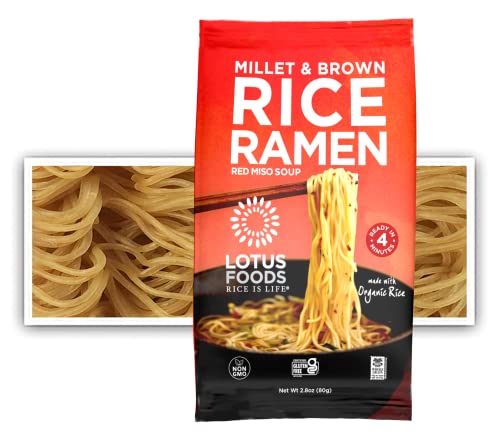
GLUTEN FREE RAMEN NOODLES: Try our whole grain ramen noodles with brown rice and millet flour. They're certified gluten-free, made with ethically sourced ingredients, and taste simply incredible

Gluten-Free And Non-Gmo
5. Easy Vegan Thai Green Curry

A 25-minute vegan Thai green curry lives or dies in the details that box it in.
Store-bought paste is the shortcut, but not every jar is vegan; check Mae Ploy or Thai Kitchen for the green label, or read the ingredient list for shrimp or fish sauce hiding near the end.
Half the cans in the same aisle will split the sauce, and full-fat coconut milk is the one that carries the curry: light versions water out thin and sad.
The vegetables matter for timing. Bell pepper, zucchini, and snap peas all hit tender-crisp in the same six to eight minutes.
Add them together, not in shifts, and the dish stays within that 25-minute window. Eggplant or sweet potato would push you past half an hour, so save those for a slower night.
I build my sauce in the same pot I’ll simmer everything: one tablespoon of oil, a few tablespoons of curry paste fried until fragrant, then the coconut milk and a quick hit of soy sauce or brown sugar to balance.
If the paste is unsalted, the soy sauce carries the whole dish; if the paste already lists salt high, skip the soy sauce and taste at the end.
Serve it over jasmine rice if you started the rice cooker first, which you should have, or on its own with a spoon if you didn’t.
Recommended Products

Our Coconut Cashew Korma is a plant-based spin on the curry house classic, replacing the dairy in the original recipe with organic coconut cream and pure cashew butter. The result is a delicate, luxurious sauce with a hint of cardamom and black pepper.

Our creamy alfredo sauces let you enjoy classic Italian recipes without dairy ingredients.

CASHEW BUTTER MASALA - Our plant-based Butter Chicken sauce is made with cashew butter and luscious coconut cream with slow-cooked tomatoes, garlic, ginger and sweet paprika to create a lighter, vegan version of the famous North Indian recipe that is just as satisfying as the original.
6. Chili Crispy Tofu Bowls

Extra-firm tofu needs a solid press before it goes near heat, or the center steams instead of fries.
Twenty minutes between two weighted plates draws out enough water that cornstarch can actually stick to the surface and turn to shell-like crisp in a hot pan. Press the tofu before you mix the sauce; the timing works out evenly.
The sauce is sweet and spicy, which can slide into candy territory if the sugar runs ahead of the heat.
A solid glug of soy sauce and a spoon of vinegar keep it sharp enough to taste before the sweetness lands.
I build it in the same hot skillet after the tofu comes out, letting the browned bits dissolve into the glaze.
Rice soaks up the sauce best, though quinoa holds its own if you want more chew.
As for leftovers, the crisp holds for a meal-prepped lunch if you keep the tofu on top until you reheat, but stacked and sauced overnight, it softens to a pleasant chew rather than a crackle.
Recommended Products

Great for On-the-Go: Our wraps are convenient and easy to take with you wherever you go. They’re perfect for packing in lunch boxes, taking on road trips, or enjoying as a...
7. Instant Pot Cauliflower Tikka Masala

The Instant Pot turns cauliflower tikka masala into a 30-minute dinner that still tastes like it simmered for hours.
I set mine to pressure cook for 4 minutes with a quick release; the florets come out tender enough to cut with a spoon but still hold their shape, not the mush you get from a long stove-top simmer.
Coconut milk versus coconut cream is a choice the recipe can handle either way. The milk gives a lighter, more pourable sauce that works well over rice; the cream makes it richer and thicker, almost spoonable on its own.
I reach for milk on weeknights and save cream for when I want the meal to feel like takeout.
Basmati rice is the obvious pairing, though naan warmed in a dry skillet works if you have it.
For meal prep, this holds well for about 4 days refrigerated, but the cauliflower does soften further on reheating. The sauce itself freezes fine; the texture question is really about the vegetable.
Recommended Products

Tortilla flour is an instant mix for making homemade wheat flour tortillas, Just add water for soft, fresh tortillas perfect to accompany any meal.

Classic American Coleslaw Flavor: Concord Foods Coleslaw Seasoning Mix delivers the familiar creamy coleslaw taste that's been a staple at backyard BBQs, and cookouts for generations - a balanced blend that makes a consistent coleslaw dressing every time

Classic American Coleslaw Flavor: Concord Foods Coleslaw Seasoning Mix delivers the familiar creamy coleslaw taste that's been a staple at backyard BBQs, and cookouts for generations - a balanced blend that makes a consistent coleslaw dressing every time
8. Vegan Beef & Rice Skillet

Ground beef-style crumbles from the refrigerated case brown better than the frozen ones, and that browning step matters more than the brand.
I start with a hot stainless skillet, get actual color on the crumbles, then push them to the edges and toast the rice in the center until it smells nutty.
One cup of long-grain rice and two and a quarter cups of vegetable broth go in, lid on, 18 minutes at the lowest simmer. The rice finishes through carryover heat off the burner, so I do not lift the lid early.
Everything stays in this pan because the crumbles go back on top after the rice is done, not stirred through during cooking.
That keeps the texture distinct instead of mushy. Cleanup is straightforward: one skillet, one cutting board for whatever onion or garlic went in, and the lid.
The main thing that sticks is toasted rice bits, which come up with a wooden spoon and a short soak while the pan is still warm.
A nonstick skillet would save that step, but it would not give the same crust on the crumbles or the rice.
Recommended Products

Subtle elusive flavors of Portobello and sauteed white mushrooms, onions, garlic, celery, and potatoes


No hydrogenated fats or high fructose corn syrup allowed in any food
9. Roasted Cauliflower Couscous Salad

Cauliflower roasts best at a temperature high enough to char the edges before the interior turns mushy.
I set the oven to 425°F and spread the florets in a single layer with real space between them; crowding steams instead of browns.
The cut surfaces should look deeply golden, almost burnt in spots, but the stems stay firm enough to hold up in a salad.
Pearl couscous works better here than the fine Moroccan kind.
The larger spheres keep their bite after dressing and do not clump into a paste. I toast the dry pearls in a little oil before adding water, which gives them a nuttier base that stands up to the roasted vegetables.
The salad needs more than greens to read as dinner.
Chickpeas, toasted almonds, or both add protein and fat that keep hunger away until breakfast. Dried fruit, something tart like currants or chopped apricots, bridges the savory and sweet.
Dress the salad while the couscous is still warm, not after everything cools.
Warm starch drinks in the vinaigrette instead of letting it pool at the bottom of the bowl. I add the dressing in two rounds, tossing between, so it absorbs evenly rather than sitting on top.
Recommended Products

Bold blend of garlic, ginger and green onion


FLAVORFUL BROWN RICE RAMEN - Contains 10, 2.8 oz bags of Organic Millet & Brown Rice Ramen cakes & 10 Red Miso Soup flavor packets for quick-cooked, gluten free Asian noodles
10. Crispy Poblano & Potato Tacos

Potatoes for these tacos need a head start before they ever hit the pan.
I dice them small, cover with water in a pot, and bring to a boil until a knife slips through with just a little resistance. Draining them well matters; wet potatoes steam instead of crisp.
For the poblanos, a gas burner is the fastest way to blister the skins, but a dry cast-iron skillet over high heat does the job fine.
I let them sit undisturbed until blackened in spots, then flip and repeat. Into a covered bowl they go; the steam loosens the skins for rubbing off under cool water.
The same skillet, now with a thin layer of oil, takes the par-cooked potatoes to golden and the poblanos to silky.
Corn tortillas warm best in a dry skillet for 30 seconds a side, or wrapped in foil through a low oven if I am doing a stack.
For toppings that keep it vegan, I reach for thin-sliced cabbage for crunch, pickled red onion for acid, and a spoonful of cashew crema or ripe avocado to bind it all.
A squeeze of lime at the end pulls everything together; without it, the flavors stay in their separate corners.
Recommended Products

WELCOME TO THE FINEST GLORIOUS ROASTED GARLIC SAUCE EXPERIENCE ON EARTH. Handcrafted and slow-simmered with Fresh Tomatoes, Roasted Garlic, Olive Oil, fresh hand-cut basil, and onions. This all-natural recipe is thoughtfully designed to bring an authentic Old World culinary experience right into your kitchen. We believe in the power of real, fresh ingredients to create sauces that truly stand out.

Creamy Indulgence - Dive into a bowl of comfort with our vodka sauce. Made with creamy cashews and rich olive oil, it delivers a luxurious, velvety texture without dairy. Perfect for guilt-free indulgence!

Experience the authentic flavors of Tuscany with our butternut squash sauce. Crafted from butternut squash, olive oil, & savory sage, this creamy vegan pasta sauce makes meals delicious.
11. Broccolini & Shallot Vegan White Pizza

Store-bought pizza dough works here, though the refrigerated kind from the grocery deli case rises better than the tubes in the biscuit aisle.
For the white sauce, a blender of soaked cashews and roasted garlic gives the same silky body you’d expect from ricotta, without the grainy aftertaste some vegan cheeses leave behind.
The shallots go on thinly sliced so they char at the edges; the broccolini I par-cook for exactly two minutes in boiling water, then shock it cold.
That step keeps the stalks tender-crisp in a 500°F oven, where they would otherwise blacken outside and stay woody inside.
A pizza stone set on the bottom rack for a full hour ahead of time is worth the wait if you have one.
A dark sheet pan turned upside down works almost as well, just give it that same hour to heat through.
The real risk is overloading the center, so I keep the toppings lighter in the middle and finish with flaky salt and lemon zest right out of the oven.
12. Vegan Jjajang Tteokbokki

Tteokbokki rice cakes take best to a thick black bean sauce built from chunjang, Korean fermented black bean paste. The chewy, tube-shaped cakes grab that sauce in a way pasta or bread never could.
Most Asian groceries stock fresh or frozen tteokbokki in the same aisle as dumpling wrappers; if yours carries the shelf-stable vacuum packs, those need a quick soak to loosen up. No chunjang on the shelf?
A quality Chinese tianmianjiang, slightly sweeter, passes in a pinch. The sauce thickens from the starch the rice cakes release as they simmer, plus a spoonful of dissolved tapioca or cornstarch near the end.
Stir it hard then or it turns gummy on the bottom. On heat: this dish is traditionally mild, more savory than searing, though a drizzle of gochugaru oil at the table wakes it up without stealing the jjajang’s roasted depth.
13. Vegan Tempeh Meatballs

Tempeh crumbles best straight from the package, before it dries out. A box grater turns the block into fine shreds that bind evenly, though a fork works if you press hard enough.
The binder matters more here than with meat: a flax egg plus breadcrumbs holds the shape, but panko mixed with a little oat milk keeps the interior tender instead of dense.
Baking on a lined sheet at 400°F gives the most even crust with no oil needed.
Pan-frying tastes richer and browns faster, yet the balls often flatten where they sit and need turning twice. For weeknights, baking wins on cleanup alone.
Soy Vay Veri Veri Teriyaki is the store-bought option I keep around, and it happens to be vegan.
A faster homemade version simmers soy sauce, mirin, brown sugar, garlic, and ginger until syrupy, about 10 minutes. Brush it on only after baking; the sugars burn if they cook too long.
14. Sweet & Spicy Korean Noodles

Gochugaru and gochujang both bring heat, but they land differently. Gochujang, the fermented red-pepper paste, builds a thick, sticky sauce that clings to noodles; gochugaru flakes stay drier and settle at the bottom of the bowl.
I keep gochujang in the fridge and reach for it when I want the sauce to coat every strand.
Wheat noodles grab hold better than rice noodles here. Fresh Chinese-style wheat noodles or lo mein stand up to tossing without tearing; rice noodles turn gummy once the sauce hits.
If I only have dried, I buy the thick Korean wheat noodles labeled "jjolmyeon" or use udon and cut the boil time by a minute so they stay chewy.
The sweetness is where I adjust.
The standard ratio leans heavy on brown sugar or mirin; I start with half what most recipes call for, taste after the first toss, and add more only if the heat is bullying the other flavors.
Maple syrup works in a pinch and dissolves faster into the hot pan.
This dish started as a hot dinner in my rotation, but I’ve eaten it cold straight from the fridge and the sauce tightens rather than breaks.
The sesame oil turns more pronounced when chilled, so I pull back on it by a teaspoon if I know I’m aiming for leftovers.
15. Vegan Vietnamese Spring Rolls

Vegan Vietnamese spring rolls come together fast once everything is prepped.
I set out plates of cooked rice noodles, julienned vegetables, and herbs, then dip each rice paper wrapper in warm water for about 15 seconds until it softens but still holds a little stiffness.
That slight resistance matters; a fully limp wrapper tears when you fold it. I lay the softened circle on a damp kitchen towel instead of a dry counter, which keeps it from sticking while I add the filling.
A simple hoisin-peanut dipping sauce works better than anything bottled, and the rolls are best assembled right before eating.
Rice paper stiffens and cracks in the refrigerator even after a few hours, though you can prep all the components earlier in the day and let everyone build their own at the table.
The hands-on time is maybe 20 minutes once the noodles are cool, which makes this practical for a weeknight when you want something fresh but not finicky.
Frequently Asked Questions
What are some quick vegan dinner recipes?
Most rely on shortcuts like store-bought seitan, pre-cut slaw mix, or cold leftover rice to hit weeknight speed without sacrificing flavor.
How can I meal prep for vegan dinners?
Several recipes are built for advance prep.
Keep a container of day-old rice in the fridge for kimchi fried rice; the cold grains crisp better than fresh. Prep all components for Vietnamese spring rolls ahead of time and let people assemble at the table.
The chili crispy tofu holds for lunch if you store the tofu on top of the rice until reheating, though the cauliflower tikka masala softens after about 4 days refrigerated.
What are some easy vegan recipes for beginners?
Start with the vegan chicken wraps, which need no chopping if you use bagged slaw mix and bottled dressing.
The healing lemongrass and mushroom broth is mostly passive simmering, and the Instant Pot cauliflower tikka masala cooks itself under pressure for 4 minutes. Each uses fewer than 10 ingredients and relies on technique more than specialized equipment.
What is a good 4-ingredient vegan meal?
The vegan chicken wraps come close with just seitan strips, slaw mix, tortillas, and a swipe of hummus or bottled ranch.
For an even simpler bowl, the chili crispy tofu with rice and a quick glaze needs little beyond pressed tofu, cornstarch, soy sauce, and sugar.
What are 10 easy vegan recipes?
From the 15 listed, the ten simplest by ingredient count and active time are: vegan chicken wraps, healing lemongrass broth, creamy kimchi pasta, kimchi fried rice, easy Thai green curry, chili crispy tofu bowls, Instant Pot cauliflower tikka masala, vegan beef and rice skillet, sweet and spicy Korean noodles, and vegan Vietnamese spring rolls.
What is the most popular vegan food?
The fermented cabbage appears as a staple ingredient that adds acid, heat, and depth without long cooking times.
What are some examples of vegan meals I can eat for a day?
Each stays within 30 minutes of active or passive cooking time.