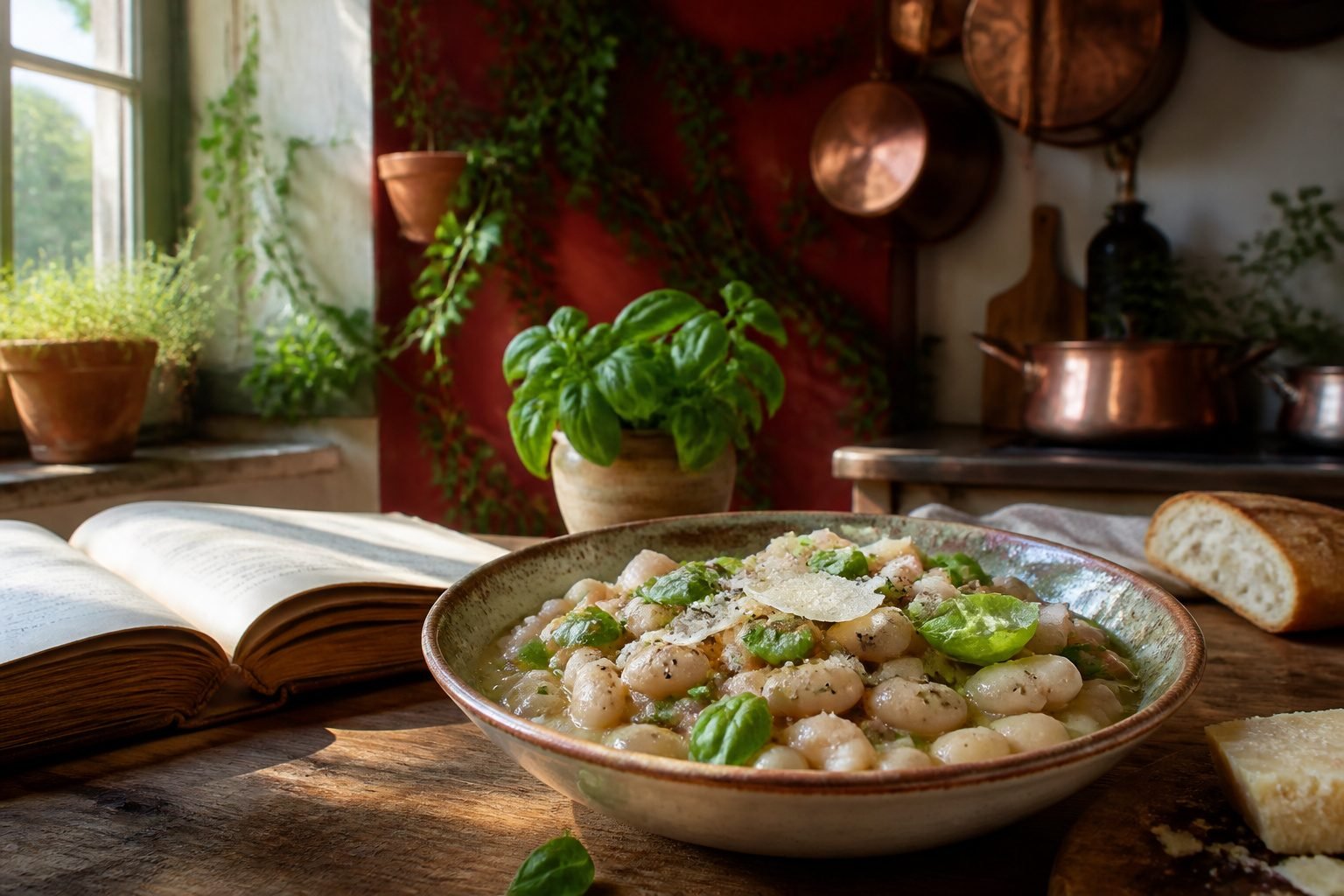

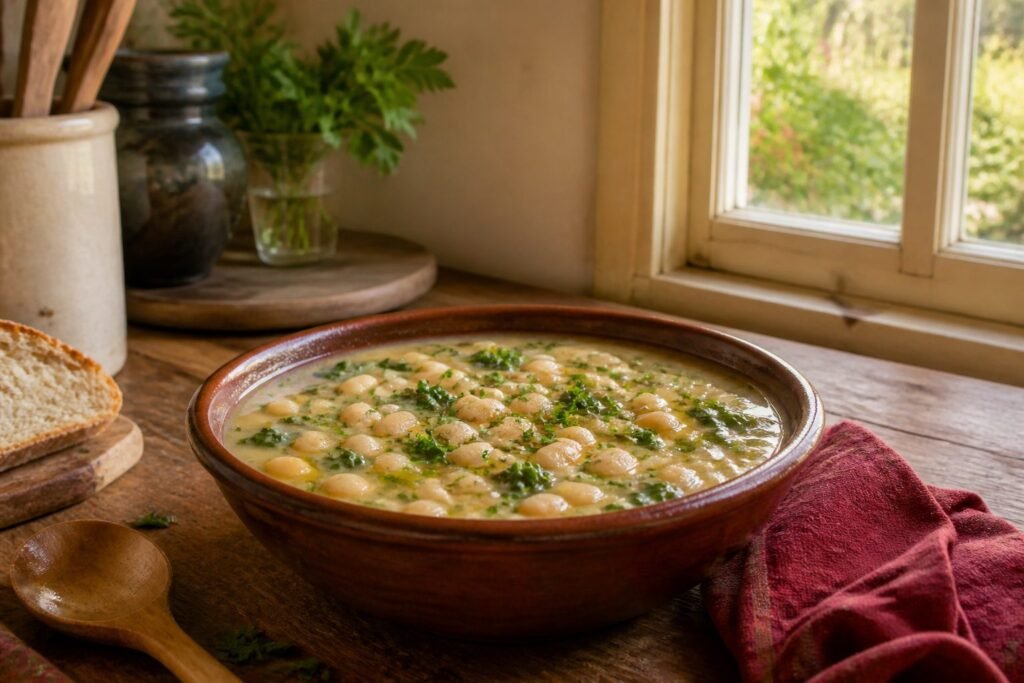
Tuscan white bean soup lands somewhere between creamy and brothy, with a Parmesan rind simmered in the pot for depth you can leave out if you need to.
The whole thing comes together in 30 to 60 minutes, depending on how long you let it reduce.
That flexibility matters most when you’re cooking kosher or ahead of a meat meal: the rind adds richness, but the soup stands on its own without it.
I reach for two cans of cannellini and a box of chicken broth when I want a substantial weeknight dinner built entirely from pantry staples.
Tuscan White Bean Soup

Tuscan white bean soup is a rustic Italian vegetable soup built on white beans, aromatics, and broth that comes together in under an hour.
The texture lands somewhere between creamy and brothy; the beans soften enough to thicken the base without turning it into puree.
A Parmesan rind simmered in the pot deepens the flavor in a way that reads as rich rather than dairy-heavy, though you can leave it out.
Some versions add sausage for heft, but the soup stands on its own as a weeknight dinner built from pantry staples.
The yield runs 6 to 8 servings, and the total time falls between 30 and 60 minutes depending on how long you let it simmer.
I treat the shorter end as realistic when the beans are canned and the vegetables are diced small, the longer end when I want the broth to reduce and concentrate.
The Parmesan rind adds a richness and a slightly salty taste that is very satiating, but can be omitted.
For readers keeping kosher or cooking ahead of a meat meal, that flexibility matters: you get the depth or you skip it without building the whole recipe around one ingredient.
Recommended Products

CANNED CANNELLINI BEANS: A go-to bean for adding hearty flavor to pasta dishes, tuna salads and, of course, minestrone.

Cannellini (White Kidney Beans) are soaked overnight, and pressure cooked with no chemical additives at Eden Foods’ cannery in Indiana.

CANNELLINI WHITE KIDNEY BEANS: Tender, delicious white kidney beans that taste great in many recipes
What You Need

Most nights, the groceries for this soup sit on the same counter where I chop everything else.
You need one medium onion diced, 2 medium carrots halved and sliced, and 2 ribs celery thinly sliced. Four cloves of garlic go in after the vegetables soften, followed by 2 tablespoons tomato paste toasted in the oil.
The liquid and beans come next:
- 6 cups vegetable or chicken broth
- 2 (15-ounce) cans white beans; cannellini or Great Northern both work
- Dried oregano and/or thyme, plus salt and pepper to taste
- 3 to 4 cups roughly chopped kale or spinach stirred in at the end
A few extras sit on my shelf for when the mood strikes. That Parmesan rind from the last wedge of cheese dissolves into something richer than the beans alone.
Italian sausage browns nicely before the vegetables go in if you want meat. And a loaf of crusty bread, torn and dipped, turns a weeknight bowl into the kind of dinner that feels intentional even when it wasn’t planned.
Recommended Products
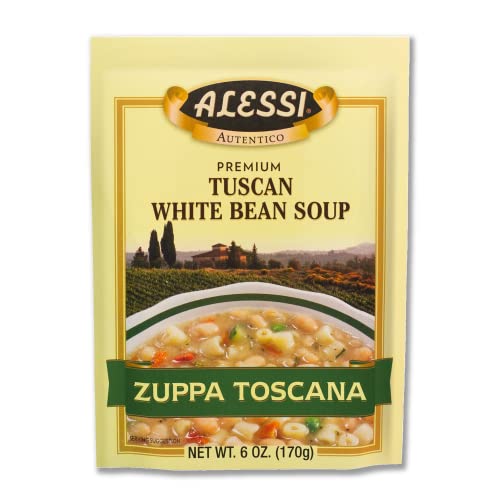
Authentic Italian soup mix full of beans, vegetables, pasta, and select spices
The information below is per-pack only

Pack of one
How to Make It

- Heat olive oil in a large pot over medium heat. Add onion, carrots, and celery with a pinch of salt, then sauté until the vegetables soften and turn translucent, which takes 3 to 7 minutes depending on your pot and how finely you diced them.
- Stir in minced garlic and cook for exactly 1 minute; it browns fast and turns bitter if you walk away.
- Add tomato paste and stir until it dissolves into the oil and coats the vegetables, about 1 more minute.
- Pour in white beans and broth. Drop in a Parmesan rind or a few links of browned sausage if you want a deeper, saltier backbone. Bring the pot to a boil, then reduce heat to a gentle simmer and let it go 20 to 30 minutes.
- For a thicker, creamier body without adding cream, ladle out 1 to 2 cups of beans with some broth, puree them smooth in a blender or food processor, and stir the mixture back in. An immersion blender works too; pulse in short bursts so you keep some texture. Skip this if you prefer a brothy, rustic bowl.
- Fold in chopped kale or other sturdy greens and simmer until wilted, 5 to 10 minutes. The stems should yield when you poke them with a spoon.
- Taste and season with salt and black pepper. The Parmesan rind or sausage may have already salted the pot more than you expect, so add gradually.
- Serve hot with toasted bread rubbed with garlic and drizzled with olive oil.
Recommended Products

Glass Cooking Pot for Stove top: Jucoan glass saucepan is made of high borosilicate glass, with excellent heat resistance, allowing for a temperature range of -20°F to 300°F, suitable for electric infrared stove, refrigerator, dishwasher and microwave.

HEALTHY CHOICE: The glass cookware set is made of food-grade high borosilicate glass, 100% lead-free, non-toxicis, is healthier than plastic or stainless steel cooking set.

✅Versatile Up to 2L (67 Oz) Glass Cooking Pot for All Your Needs: This up to 2-liter (67-ounce) borosilicate glass pot is perfect for making pasta, soup, stew, tea, baby food, and warm aromatics. Our heat-resistant glass pot with anti-scald handles is a true kitchen multitasker, ideal as a glass cooking pot and pasta pot.
Cooking Time

The 20-minute simmer sits at the center of every timetable, and everything else is negotiable.
Start with dried beans and you’re looking at the long end of the range; they need soaking or long boiling before they ever hit the soup pot.
Raw sausage pushes it too, since browning and cooking through takes a solid 10 minutes before the vegetables even go in.
The 30-minute finish is real, though, and the pages that hit it follow the same pattern.
Canned beans, already soft, go straight in. Pre-cooked sausage, or none at all, skips that entire step.
The 30Seconds version gets there in 30 minutes total by keeping the simmer short at 7 to 8 minutes after a brief sauté, while Gingered Whisk holds 20 minutes at low but keeps prep to 10 minutes and uses a food processor for thickening rather than standing time.
The honest difference is texture. That full 20-minute simmer, repeated across the Food.com and Sweet Thyme versions, lets beans partially break down and starch the broth.
A shorter simmer keeps beans intact and the broth thinner. Neither is wrong; the 20 minutes is simply the point where the soup stops reading as bean broth and starts reading as bean soup.
Recommended Products
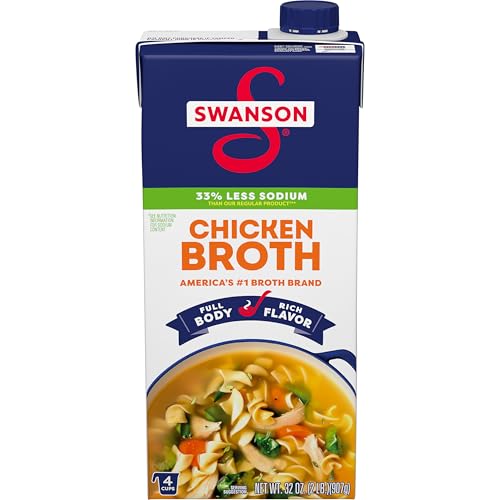
One 32 ounce recyclable carton of Swanson Natural Goodness 33% Less Sodium (1) Chicken Broth [(1) Contains 570mg sodium per 1 cup serving vs. 860mg sodium per 1 cup serving of regular Swanson chicken broth]

Swanson Unsalted* Chicken Broth is made with quality ingredients for a rich homemade taste
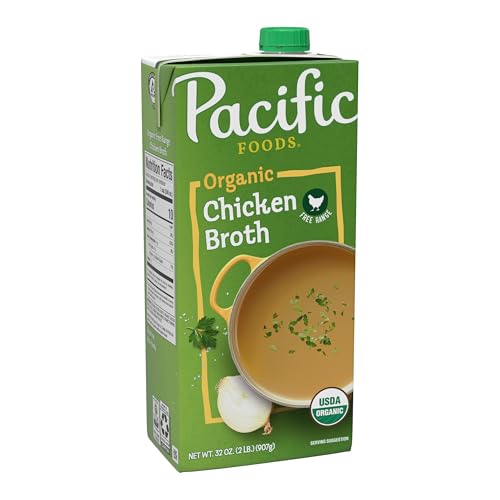
Perfect combination of organic free range chicken, sea salt and seasonings
Serving and Storage

A crusty loaf, split and toasted into thick Parmesan toasts, turns this soup into the kind of meal that needs nothing else on the table.
The bread’s crunch against the creamy beans is what matters, and any sturdy country loaf from the bakery section handles it well.
Leftovers keep in the refrigerator up to 5 days, though the soup thickens noticeably as it sits.
A splash of broth or water when reheating brings it back to the right consistency; skip this step and the texture turns pasty rather than silky.
The pot reheats evenly on the stove over medium heat, or microwave it in short bursts, stirring between each.
Recommended Products

Essential Herb Trio – Includes whole-leaf Rosemary, Thyme, and Oregano—three must-have herbs for everyday cooking and authentic Mediterranean flavor.

Dried Thyme Leaves: Aromatic, earthy, and slightly minty flavor, perfect for seasoning meats, soups, and stews

PREMIUM QUALITY: Elevate your dishes with our freeze dried oregano, harvested at peak freshness to ensure a robust and aromatic flavor that rivals fresh herbs.
Bean and Broth Choices

The bean and broth you pick changes the finished soup more than you might expect.
Cannellini beans, marketed as white kidney beans, are larger and creamier.
They hold their shape through simmering and give each spoonful a denser, meatier bite. Great Northern beans run smaller and firmer with a milder flavor that stays quiet in the background.
For broth, vegetable stock keeps the pot entirely vegetarian. Chicken broth adds a deeper savory note underneath the beans.
| Cannellini | Great Northern | Vegetable Broth | Chicken Broth | |
|---|---|---|---|---|
| Texture | Creamy, holds shape | Firmer, smaller bean | Liquid base | Liquid base |
| Flavor | Meaty, pronounced | Mild, stays subtle | Clean, vegetal | Deeper, savory |
| Diet | Either | Either | Vegetarian | Not vegetarian |
I reach for cannellini and chicken broth when I want a richer, more substantial bowl.
Vegetable broth with Great Northern beans suits lighter tastes or anyone feeding mixed dietary needs. Both pairings work; neither is the right one.
Recommended Products

PREMIUM CANNELLINI BEANS DRY – High-quality cannellini beans dry, also known as white kidney beans, carefully selected for consistent size, clean appearance, and reliable cooking performance


PLANT BASED POWER- Our Cannellini beans are high in protein and fiber, low in sodium, and are gluten free.
Variations and Substitutions

Here are the most useful swaps if the original formula needs a reset.
- Pancetta or thick-cut bacon can stand in for Italian sausage. The rendered fat carries the herbs differently, more quietly, and a 4 oz portion is enough to scent a whole pot. I skip the tomato paste when I go this route and let the meat speak for itself.
- Sun-dried tomatoes rescue a flat broth. Half a cup, chopped, gives a concentration that canned tomatoes never reach. I add them early so they soften into the base rather than floating on top.
- Blended beans are the traditional thickener, and they win for keeping the soup dairy-free without tasting like it. A cup of beans with some of their liquid, buzzed until creamy, folds back in and disappears.
- Coconut milk is a departure from that tradition. It works, and roughly ½ cup gives a velvety body, but the soup stops reading as Tuscan and starts reading as something else. I reserve it for nights when the pantry is bare of beans or the blender is dirty.
- Chard, escarole, or curly kale stand in for whatever greens the recipe names. Kale takes longer to wilt down, 3 to 5 minutes of active simmering, while chard collapses almost on contact. I rip rather than chop the leaves; the ragged edges hold broth better.
Recommended Products
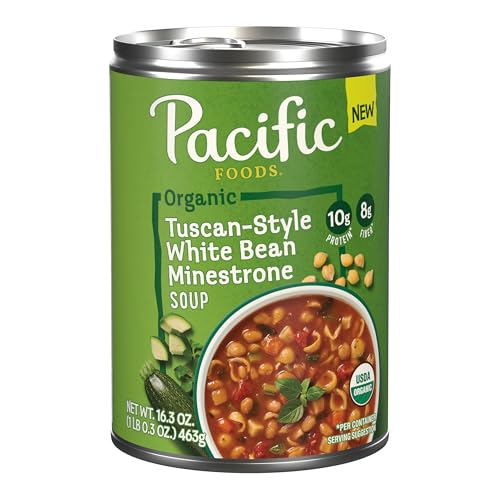
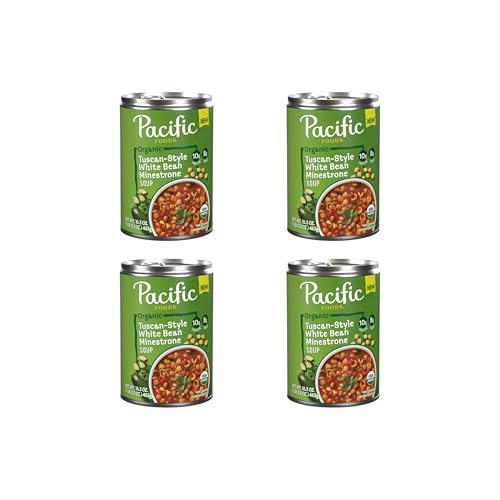
One (1) 16.3 oz can of Pacific Foods Organic Tuscan-Style White Bean Minestrone Soup
The information below is per-pack only

Alessi Soup Tuscan Bean 6.0 OZ
Frequently Asked Questions
Recommended Products

Versatile Up to 1.5L (50 Oz) Glass Cooking Pot for All Your Needs - This up to 1.5-liter (50-ounce) borosilicate glass pot is perfect for making pasta, soup, stew, tea, and warm aromatics. With heat-resistant glass and anti-scald handles, it is a true kitchen multitasker—ideal as a glass cooking pot and pasta pot.

【100% Lead-Free & Non-Toxic】Food-grade high borosilicate glass, lead-free and BPA-free. Won't leach chemicals into food, preserving natural flavors for healthier meals. Also great as a simmer pot potpourri for home fragrance.

【Healthy & Non-Toxic Glass Cooking Pot for Stove Top】Crafted from premium food-grade high borosilicate glass, this glass cooking pot is 100% lead-free and completely non-toxic. Unlike stainless steel or nonstick cookware, it does not react with food, preserving natural flavor and nutrients. Whether you need a glass pot for stove top for daily meals or a glass simmer pot for stove top potpourri for home fragrance, this glass pot delivers safety and performance.
What are the main ingredients in Tuscan white bean soup?
The core ingredients are diced onion, halved and sliced carrots, thinly sliced celery, minced garlic, tomato paste, canned white beans, broth, and chopped kale or spinach. A Parmesan rind, Italian sausage, and crusty bread are common additions but optional.
Can you make Tuscan white bean soup vegetarian?
Yes.
Use vegetable broth instead of chicken broth and skip the sausage and Parmesan rind. The soup still builds plenty of depth from the beans, tomato paste, and long simmer.
What’s the secret to a flavorful Tuscan soup?
A Parmesan rind simmered in the pot adds richness and salt without reading as dairy-heavy.
Toasting the tomato paste in oil before adding liquid also builds a darker, more complex base. The full 20-minute simmer matters too; it lets the beans partially break down and starch the broth.
What are common mistakes when making bean soup?
Walking away from the garlic is the fastest way to ruin the pot; it browns in about a minute and turns bitter.
Adding salt too early is another, since a Parmesan rind or sausage may already season the broth more than you expect. Reheating leftovers without a splash of broth or water also turns the texture pasty.