
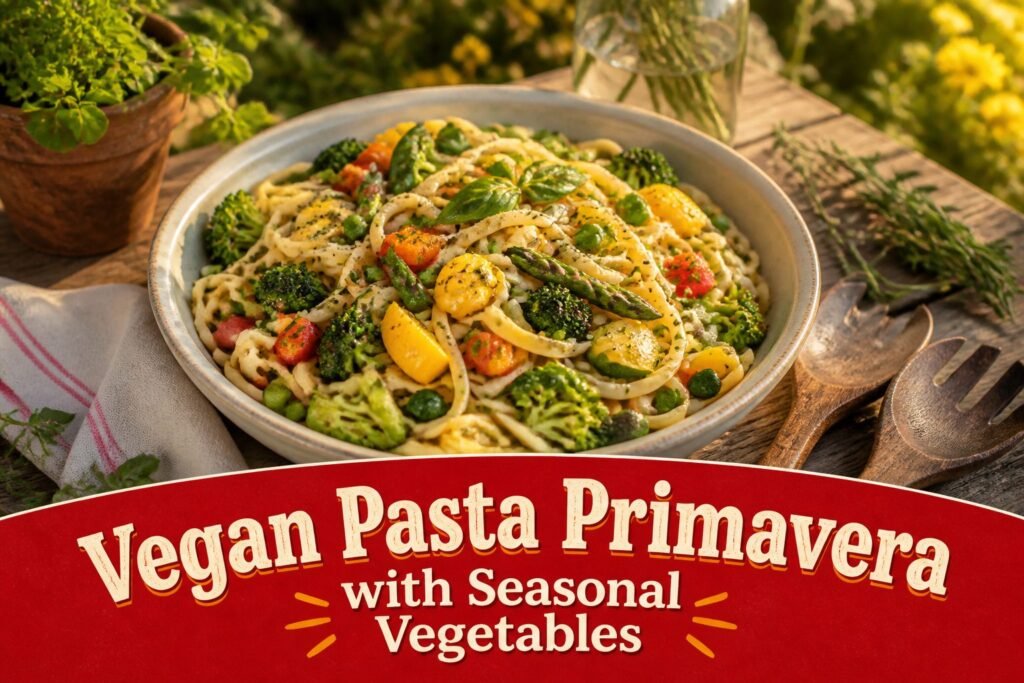
This vegan pasta primavera tastes like spring vegetables suspended in a light, clingy cream sauce, and it gets there without cashews or coconut milk if you do not want them.
The whole thing is done in about the time the pasta takes to boil. The sauce only works if you save the starchy pasta water before draining; without it, even silken tofu turns thin and sad.
I pull the pasta a full minute early so it finishes in the skillet, absorbing flavor instead of just wearing it.
Ingredients

For this creamy vegan pasta, the sauce builds from either silken tofu or soaked cashews blended into a smooth base. Both give that heavy cream richness without the dairy, and both sit right in the regular grocery store.
- 12 oz pasta, such as penne or fusilli
- 300 g silken tofu (or 1 cup soaked cashews)
- 2 tablespoons nutritional yeast
- 1 tablespoon vegan cream cheese, optional
- 2 cloves garlic
- Juice of 1 lemon
- 250 g chestnut mushrooms, sliced
- 1 leek, white and light green parts, cleaned and sliced
- Handful frozen petit pois
- 200 ml vegetable stock
- 1/2 tablespoon vegan butter
- 1/2 tablespoon rapeseed oil
- Salt and black pepper
Recommended Products

Product Type:Grocery

Mori-nu Silken Tofu is a good source of protein and a perfect alternative to meat or dairy products

Mori-nu Silken Tofu is a good source of protein and a perfect alternative to meat or dairy products
Method

- Reserve ½ to ¾ cup of pasta water before draining. Bring a large pot of salted water to a boil, add your pasta, and cook until al dente. The pasta should still carry a slight chew when you bite. Drain it, but skip the rinse. That surface starch is what lets the sauce grip instead of sliding off.
- While the pasta cooks, warm your sauce base in a wide skillet. The timing works out clean: the vegetables soften in roughly the same window the pasta needs.
- Add your creamy element, whether that’s cashew cream, full-fat coconut milk, or one of the blended options like silken tofu or sweet potato. Stir it through until smooth.
- Add the reserved pasta water a splash at a time if the sauce looks thick or pools at the bottom of the pan. You’re aiming for a silky coat that clings to the pasta rather than a heavy layer underneath it. The starch in that water does the emulsifying work that cream would in a traditional recipe.
- Toss in the drained pasta directly. Finish over medium heat for about a minute, stirring constantly so every strand gets evenly dressed. The pasta finishes cooking in the sauce and absorbs flavor. Taste for salt and pepper, then serve immediately.
Recommended Products

Real Sour Cream Texture, No Dairy: Thick, luxurious, tangy; dollop on tacos, swirl into soups, finish baked potatoes, fold into baking; behaves like dairy sour cream because it's actually cultured

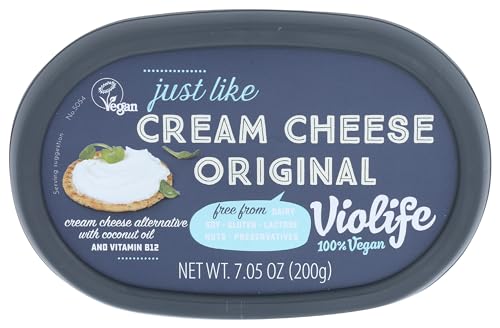
One 7.05-Ounce tub of VIOlife Just like cream cheese original
Cooking Techniques

Al dente pasta holds up to the vegetables instead of collapsing into them, and the timing matters more than the clock on the box.
I start testing two minutes before the package says it will be done, pulling a strand to feel that slight resistance in the center.
For primavera specifically, undercooking by a full minute leaves room for the pasta to finish in the skillet with the vegetables and sauce.
The water itself is the other half of the equation. That cloudy, starchy liquid left after draining is what lets a vegan sauce cling without dairy.
I set aside ½ to ¾ cup before the colander goes in, then drizzle it in while tossing the pasta over heat. The starch binds with olive oil into something glossy and coating, not pooling at the bottom of the bowl.
Salt goes in once the water is at a rolling boil, not before. Adding it early wastes salt on water that will reduce later, and it can pit cheap pots over time.
The rolling boil keeps pasta from sticking to itself in the first minute, when the surface starch is at its stickiest. I drop the heat only if the pot threatens to foam over, then bring it straight back up.
Recommended Products

Micro Ingredients offers USDA organic certified nutritional yeast flakes, nutrient dense fortified form, cheesy flavored dairy free cheese replacement, contains complete plant-based protein, friendly with most diets.

SUPER FOOD: NOW pleasant-tasting Nutritional Yeast Flakes are produced from a specially selected strain of Saccharomyces cerevisiae. Take 2 level tablespoons daily mixed in milk, fruit juice, or vegetable juice. It can also be used in vegetarian recipes or added to protein shakes to boost nutritional content.

SUPERFOOD: NOW pleasant-tasting Nutritional Yeast Powder is produced from a specially selected strain of Saccharomyces cerevisiae. Take 1 level tablespoon daily mixed in milk, fruit juice, or vegetable juice
Ingredient Substitutions

Silken tofu is the quiet workhorse for creamy vegan pasta sauces. A pound of it blended with frozen peas and basil, thinned with pasta water, gives you twenty-six grams of protein a serving in twenty-five minutes.
Save that pasta water before you drain. Add it a splash at a time until the sauce coats rather than pools; without it, even the best blend turns wet and sad.
No cashews in the pantry? Oat milk or unsweetened almond milk with a spoonful of vegan cream cheese gets you there.
Nutritional yeast or vegan parmesan fills in for cheesy depth. Red lentil or chickpea pasta holds up well for gluten-free eaters, but pull it early; these go from firm to mush fast.
Shape matters more than brand. Rainbow rotini, regular rotini, bow tie, penne: all fine.
Skip tiny pasta like orzo or long strands like spaghetti. The ridges and hollows catch sauce; smooth or slender shapes let it slide.
Recommended Products

One 8 - Ounce Violife Cream Cheese block

Contains 1- 8 Ounce Container of Kite Hill Plain Almond Milk Cream Cheese Style Spread

USDA Organic, Vegan, Kosher, Gluten Free, Dairy Free, Soy Free, and Palm Oil Free
Flavor Profiles

The base recipe adapts to three directions without changing its bones.
An Asian-inspired version builds on ginger and scallion, finishing with toasted sesame oil and a handful of sesame seeds. The ginger goes in early with the aromatics so it mellows into the oil rather than staying raw and aggressive.
A Mediterranean turn leans on soft herbs, a spoonful of roasted tomato paste, and a splash of white wine to deglaze the pan before the pasta finishes cooking.
The wine needs to reduce almost completely or the dish stays sharp and thin.
For a creamy comfort bowl, nutritional yeast is the workhorse, supported by roasted red pepper and butternut squash that breaks down into a loose sauce against the hot pasta.
The squash wants to be very soft, almost collapsing, or it reads as a chunky side dish instead of a coating.
Each version keeps the same weeknight timeline and the same one-pot method, which is the point: one reliable structure, three distinct dinners.
Recommended Products

![Chinese Mabo Tofu Sauce (Mild) - 5.29oz [Pack of 3]](https://m.media-amazon.com/images/I/41xvGe2c3cL._SL500_.jpg)

Homemade Pasta

Semolina flour gives homemade vegan pasta its signature chew, and most grocery stores carry it right alongside the all-purpose stuff.
The dough comes together with just four ingredients: 2 cups semolina flour, 1 cup all-purpose flour, 1¼ cups warm water, and a pinch of salt. Mix the dry ingredients first, then work in the water by hand until a shaggy dough forms.
Ten minutes of kneading on a floured counter smooths it out. Divide into four pieces, wrap, and chill 10 to 20 minutes before rolling.
A pasta roller makes the job faster, but a rolling pin absolutely works. Roll until the sheet is just thin enough to see light through, slightly thinner than copy paper.
Fresh pasta cooks in 4–5 minutes, so the whole process from counter to bowl moves quickly. No eggs, no special equipment, no waiting for water to boil forever.
Recommended Products

VEGAN MAC AND CHEESE: Boxed mac with cheddar flavor ready in about 10 minutes for a quick, easy, and great-tasting kids dinner addition

Seasonal Variations

Seasonal vegetables keep this dish from getting tired. In summer, ripe tomatoes and basil need nothing more than olive oil and ten minutes in a hot pan to collapse into a sauce that clings to pasta without cream.
For fall, cubes of sugar pie pumpkin or butternut squash roast until the edges char and the centers turn creamy, then get tossed in at the last minute so they don’t break down completely.
Winter brings mushrooms that actually brown if you let them sit undisturbed in the skillet, plus sturdy greens like kale that wilt just enough when you fold them into the warm pasta.
Spring asparagus and peas work the same way, added off-heat so they keep some snap.
The shape of the pasta matters less than matching it to the chunkiness of whatever vegetable is in season: short tubes catch bits of squash, while long strands tangle with wilted greens just fine.
Recommended Products
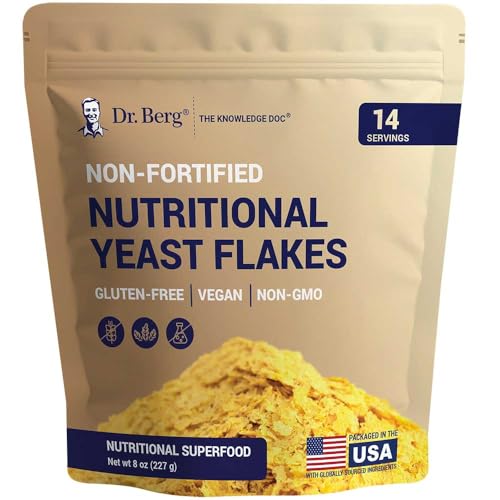
𝗡𝗨𝗧𝗥𝗜𝗧𝗜𝗢𝗡𝗔𝗟 𝗬𝗘𝗔𝗦𝗧 𝗙𝗟𝗔𝗞𝗘𝗦 - These flakes are non-fortified! This means our flakes don't contain synthetic vitamins that you might find in other brands. Sprinkle your desired amount on your salad, scrambled eggs, soups, stews, broths, and many other foods for a natural source of vitamin B.
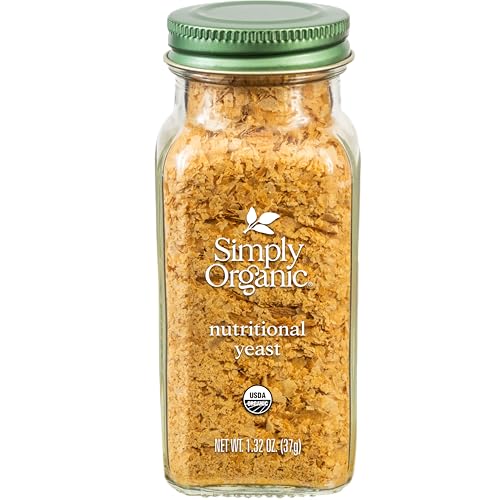
Nutritional Yeast - This savory, plant-based seasoning offers a rich, cheesy flavor with a nutty and umami profile, making it an excellent vegan alternative to cheese.

It is a high quality healthy product
Frequently Asked Questions
Recommended Products

Traditionally Cultured

DAIRY FREE: Daiya Alfredo Style Vegan Mac and Cheese offers a creamy, dairy-free alternative that satisfies pasta cravings without compromising on taste.

Dairy-free sour cream alternative in a convenient single-serving size, perfect for topping tacos, baked potatoes, nachos, and everyday cooking needs
What is vegan pasta?
Vegan pasta is pasta made without any animal products, including eggs or dairy. The recipe above uses silken tofu or soaked cashews blended into a smooth sauce base, plus nutritional yeast and vegan butter for richness.
How do I make homemade vegan pasta?
Combine 2 cups semolina flour, 1 cup all-purpose flour, 1¼ cups warm water, and a pinch of salt. Mix the dry ingredients, work in the water by hand until shaggy, then knead for 10 minutes on a floured counter.
Divide into four pieces, wrap, and chill 10 to 20 minutes before rolling thin enough to see light through. Fresh pasta cooks in 4 to 5 minutes.
What are some easy vegan pasta recipes?
The Vegan Pasta Primavera above is one of the easiest, ready in about the time it takes to boil pasta, using silken tofu or cashews for creaminess.
What is the best vegan pasta dish?
The best vegan pasta dish depends on what you are craving, but the primavera above balances creamy texture with seasonal vegetables in under 30 minutes.
The recipe builds flavor from mushrooms, leeks, and garlic, with a sauce that clings thanks to reserved pasta water. For something richer, try Marry Me Pasta, which uses cashew cream or coconut milk for a silky tomato-infused sauce.
What can I put in pasta instead of meat?
Replace meat with mushrooms, which brown and turn savory when left undisturbed in the skillet, or use hearty vegetables like butternut squash and kale. The recipe above builds its body from sliced chestnut mushrooms, leeks, and frozen peas.
What are some lazy vegan recipes?
This Vegan Pasta Primavera qualifies as lazy cooking: one pot, one blender, and the sauce comes together while the pasta boils.