
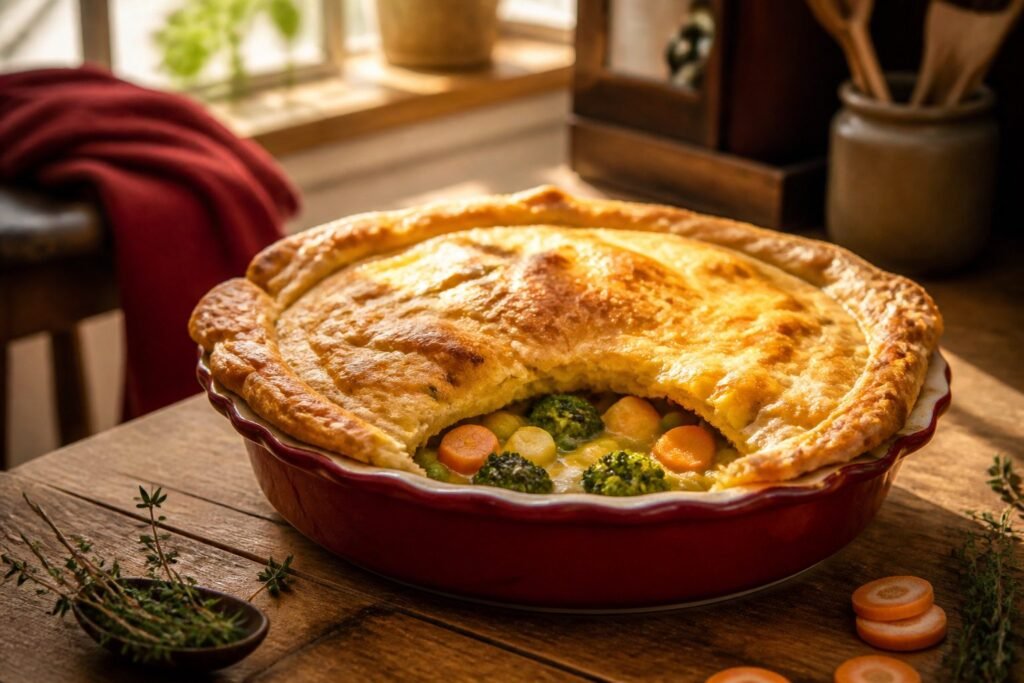
This vegetarian pot pie comes together in under an hour and tastes like you spent the afternoon on it.
The filling is built on a curry-scented roux that does the heavy lifting of depth and warmth, and the puff pastry lid shatters the way only frozen store-bought stuff pulled from your own freezer can.
The butter and the cream are the real cost, though a single tablespoon of butter and coconut milk instead of heavy cream gets you most of the way there without the saturated fat load.
That half-inch gap between filling and crust rim is what keeps the pastry from sagging into the vegetables underneath.
Ingredients

I keep the ingredient list loose enough that almost any weeknight will do. Most of these are standard grocery items, and the vegetables shift depending on what looks decent or what I already have.
- 1 sheet puff pastry, thawed
- 4 tablespoons butter
- 1 medium onion, diced
- 2 carrots, diced
- 2 celery stalks, diced
- 1 large potato, diced
- 3 garlic cloves, minced
- ¼ cup all-purpose flour
- 1 cup vegetable broth
- ¾ cup whole milk or coconut milk
- 1 cup frozen peas
- 2 teaspoons curry powder
- 1 teaspoon dried thyme
- ½ teaspoon salt, plus more to taste
- Black pepper
- Optional: 1 leek, white and light green parts sliced, or 1 cup small broccoli florets
The vegetables are flexible. I have swapped in sweet potato for regular, doubled the carrots when celery looked tired, and added mushrooms that needed using.
The curry powder is the move that makes the filling taste developed rather than flat, but a straight thyme-and-pepper version works if you are cooking for cautious eaters.
Recommended Products
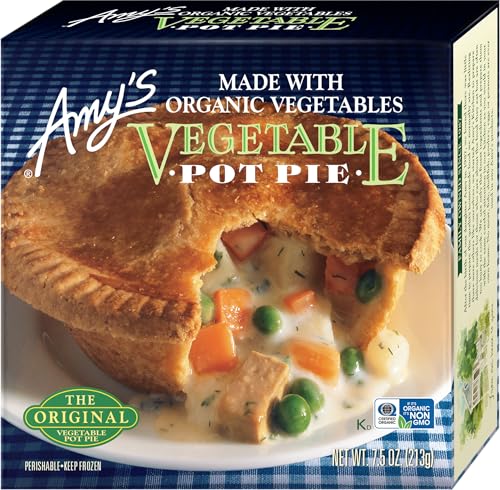
One 7.5 oz. box of Amy's Vegetable Pot Pie the whole family will love


Method

- Heat 4 tablespoons butter in a deep skillet over medium heat. Add onions, garlic, carrots, and 1 1/2 cups celery. Cook until the vegetables soften and the onions turn translucent, about 8 minutes. The carrots should bend without snapping when you press one with a spoon.
- Sprinkle flour over the softened vegetables and stir constantly for 1 minute. The mixture will look pasty and coat the bottom of the pan. This step builds the base for a filling that holds together when you cut the pie, not one that pools on the plate.
- Pour in 1 cup broth and your milk or coconut milk. Whisk until the liquid combines with the flour paste and the sauce thickens enough to coat the back of a spoon, 3 to 4 minutes. Scrape the pan bottom as you stir.
- Add 1 cup peas, diced potatoes, and lentils if you are using them. Season with 2 teaspoons curry powder, salt, and black pepper. Simmer until the potatoes are just tender, 10 to 12 minutes. The filling should taste slightly overseasoned at this stage; the crust will mute it.
- Transfer the hot filling to ramekins or a single baking dish. Leave a half-inch gap at the top so the pastry sits on the rim, not on the filling.
- Lay thawed puff pastry over the dish. Press the edges to seal, trim excess with kitchen shears, and crimp with a fork. Cut three slits in the center for steam to escape.
- Bake at 375°F for 30 to 35 minutes, until the crust is deep golden and you can see filling bubbling through the slits. Let rest 10 minutes before serving; the interior stays scorching hot longer than you would expect.
Recommended Products

Each Puff Pastry sheet is made up of many delicate layers, essential to creating its supremely light, airy texture

No hydrogenated fats or high fructose corn syrup allowed in any food

Puff Pastry makes a perfect wrapping for a variety of savory and sweet dishes.
Healthier Swaps

A vegetable-heavy filling is already a lighter starting point than the traditional chicken or beef versions most of us grew up with. The real caloric weight sits in the dairy and the pastry, and both are easy to pull back.
For the sauce, swap heavy cream for coconut milk and cut the butter down to a single tablespoon.
The coconut milk keeps the filling rich and pourable without the saturated fat load of cream, and that small amount of butter is still enough to build flavor in the roux.
Plant-based milks work too, though they need a longer reduction to get the same body.
The crust is where you make the bigger choice. You can skip the bottom crust entirely and go with just a top lid, which saves roughly half the pastry calories.
Phyllo dough brushed with a thin layer of oil is another option for a lighter, crisp finish. Or use frozen puff pastry but lay it on sparingly, letting the vegetables take up more of the plate.
I tend to run the numbers when I am feeding my family on a weeknight, and these adjustments drop the dish into the zone where a second helping does not feel like a decision to repent tomorrow.
Recommended Products

Perfect Single Serving Size: This 6 pack 10 ounce ramekin set measures 5.6 x 4.3 x 1.8 inch (not include the handle). They are just the right one to portion your food, let you enjoy delicious food without worrying over-eat!
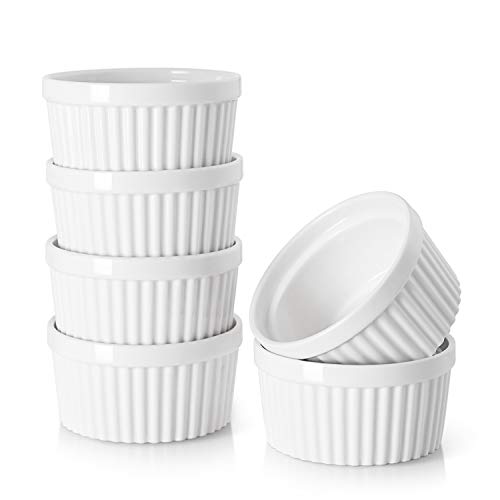
SUPERIOR CERAMIC HEAT DISTRIBUTION & CRUST PERFECTION: Crafted from premium-grade, heavy-duty ceramic, these ramekins offer superior heat retention and even distribution compared to flimsy silicone or thin metal. This ensures your baked goods rise perfectly with a beautiful golden crust, fluffy interiors, and no burnt bottoms. Oven safe up to 500°F and engineered to withstand thermal shock, they transition smoothly from prep to high-heat appliances.
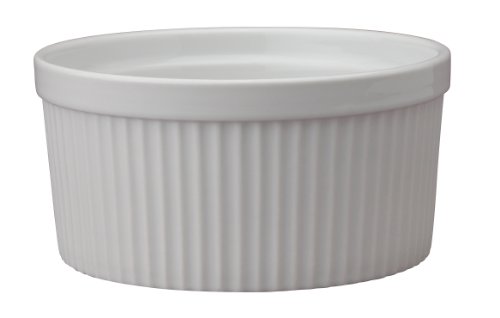
HIC Kitchen Souffle: Fine porcelain dish for baking and serving custards, souffles, casseroles, and side dishes; ideal for oven-to-table presentation for family or shared servings
Freezing and Storage

A vegetarian pot pie keeps in the freezer for up to 3 months, whether it goes in baked or unbaked.
The unbaked route wins for texture: the pastry stays raw and puffs properly in the oven later, while a baked crust softens in thawing no matter how careful you are.
For unbaked pies, set a piece of parchment directly on the pastry, then wrap the whole dish tightly in foil. Freeze flat.
Bake straight from frozen, uncovered, adding 10 to 15 minutes to your usual time. Watch the browning; if the top darkens too fast, lay foil loosely over it and keep going until the filling bubbles.
Baked leftovers need the same tight wrap. Thaw overnight in the refrigerator, then reheat in a 350°F oven for about 10 minutes.
The microwave turns the crust leathery every time. The oven restores that snap.
Recommended Products

One 29 ounce Frozen Coconut Cream Pie

Indulge in Marie Callender's creamy coconut custard filling inside Marie Callender's famous flaky, made-from-scratch crust, with whipped topping hand-garnished with toasted coconut

COCONUT CREAM: Add rich, velvety texture and coconut flavor to everything from baked goods to savory dishes and recipes.
Crust Options

Puff pastry wins on speed and flake.
The layers shatter between your fingers, and a box from the freezer section thaws while the filling cools. I reach for it when Friday night dinner needs to happen without a project.
Homemade pie crust asks more of you.
Butter stays cold, water gets added by the tablespoon, and the whole thing wants a rest in the fridge before it rolls out. A solid crust gives the filling something to hold onto.
A bottom crust holds its shape against creamy filling instead of turning sodden halfway through the bake. It costs less than puff, too, if you keep butter stocked anyway.
Store-bought pie dough sits right in the middle.
It bakes up sturdy enough to slice cleanly, tender enough to feel like from scratch, and saves the folding and resting entirely. Most weeknights, this is the practical choice.
I have not tested gluten-free options for this recipe, so I will leave that to someone who has.
What I can say: whichever direction you choose, the filling itself carries the flavor, and the crust is there for textural contrast, so pick the one your evening can afford.
Recommended Products

Made by combining pureed carrots, celery, onions and tomato and aromatic seasonings.

Robust vegetable stock made with slow-simmered organic vegetables and herbs and spices

THREE REDUCED SODIUM BROTH FLAVORS FOR EVERYDAY COOKING – This variety pack includes Beef, Chicken, and Vegetable Reduced Sodium Broth Concentrates, giving home cooks quick access to low sodium beef broth, low sodium chicken broth, and low sodium vegetable broth in convenient packets.
Filling Variations

The vegetables in a vegetarian pot pie should follow the calendar, not the freezer case.
January calls for root vegetables that hold their shape through a long bake, while April shifts to asparagus, peas, and baby spinach that need barely five minutes in the pan before they go under the crust.
For the sturdiest winter pie, start with carrots, potatoes, and leeks; summer asks for lighter handling.
Protein comes from the pantry when the dairy feels heavy.
Green lentils, white beans, or chickpeas slip into the filling without the fuss of precooking meat. I have found that a cup of cooked lentils, drained well, keeps the slice from collapsing into side-dish territory.
The sauce is where the real choice sits.
Four cups of bechamel makes the pie a forkful of cream and comfort, but a broth-based filling built on 2 to 3 cups of low-sodium vegetable broth keeps the crust crisp longer and the whole dish lighter going in.
Cashew butter, stirred in at the end, thickens the broth version without flour if you want that richness back.
Seasoning lifts it out of forgettable. A teaspoon of poultry seasoning, a tablespoon or two of curry powder, or a bright mix of fresh parsley and chives changes the character entirely.
The curry powder works surprisingly well against spring vegetables. Puff pastry is neutral enough to follow, not fight, whatever direction you choose.
Recommended Products

One 15 oz Marie Callender's Plant-Based Gardein Chick'n Pot Pie frozen meal

Indian Kashmir Spinach: Sautéed fresh spinach in a light curry sauce with cubes of creamy paneer cheese; A delicious vegetarian and gluten free way to bring bold, Indian spices to your table

AUTHETICALLY THAI AND VEGETARIAN: with Mae Ploy vegetarian Thai red curry paste, serving up the same great taste that you've enjoyed during your last vacay in The Land of Smiles or of your favorite Thai restaurant may now be easier.
Ramekins or One Pie

Individual ramekins turn a weeknight vegetable pot pie into something that looks like you planned it.
Six to eight ounce ramekins, greased and set on a baking sheet, let you portion the filling exactly and walk away with six small pies instead of one communal dish.
They cook faster, twenty to twenty-five minutes at 400 degrees, and if you wrap a few uncooked and freeze them, they reheat without any thawing at forty-five to fifty minutes straight from the freezer.
One large pie keeps things simpler. A 9-inch deep-dish baking dish holds the same filling with less pastry work and fewer dishes to wash afterward, which matters on a night when the sink is already full.
You spend an extra five to ten minutes in the oven, and you lose the grab-and-go portioning that makes ramekins worth the extra steps.
I reach for ramekins when I want the pot pie to feel like a small event, and the large dish when I just want dinner on the table with less fuss.
Recommended Products

No hydrogenated fats or high fructose corn syrup allowed in any food

FLAKY AND FLUFFY: Refrigerated pastry dough bakes up flaky and fluffy with original Pillsbury crescent roll taste; Ideal for making sweet desserts or savory dishes
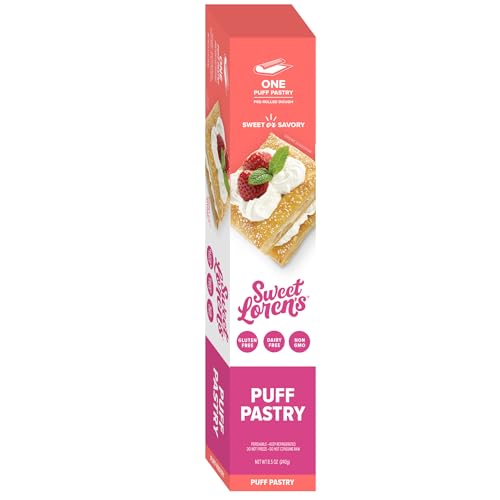
The perfect blank canvas for any recipe
Frequently Asked Questions
Recommended Products

Versatile Ramekin Set: This 4 pack 20 oz ramekin set measures 7.2 x 5.5 x 2 inch (not include the handle). Great for crème brulée, soufflés, quiche, custards, puddings and more

Hacaroa set of 6 mini cocotte measures 4.5" Top Diameter x 4" Bottom Diameter x 3"H, and the maximum capacity is 10 oz when the lid is not used, 8.5 oz when the lid is used. perfect for baking, soufflé, French onion soup, pot pie, cobblers, etc.
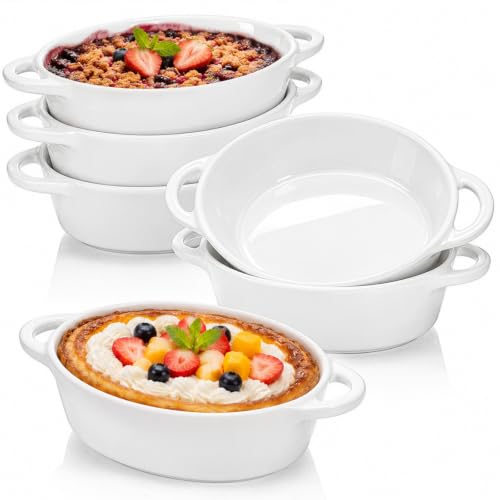
Perfect Single Serving Size: This 10 ounce ramekin set measures 5.6 x 4.3 x 1.8 inch (not include the handle). They are just the right one to portion your food, let you enjoy delicious food without worrying over-eat!
Can you freeze a vegetarian pot pie?
Yes, a vegetarian pot pie freezes well for up to 3 months, either baked or unbaked.
The unbaked route gives better texture because the pastry stays raw and puffs properly later. Wrap tightly in foil after covering the pastry with parchment, then bake straight from frozen at 375°F, adding 10 to 15 minutes to the usual time.
What vegetables can I use in a vegetarian pot pie?
You can use carrots, potatoes, celery, onions, peas, leeks, broccoli, sweet potato, mushrooms, asparagus, or spinach.
The recipe is built around a flexible base of onion, carrot, celery, and potato, with frozen peas stirred in at the end. Seasonal vegetables work best: root vegetables in winter, lighter options like asparagus and spinach in spring.
How long do you bake a vegetarian pot pie?
Bake at 375°F for 30 to 35 minutes until the crust is deep golden and filling bubbles through the steam slits. Individual ramekins cook faster, about 20 to 25 minutes at 400°F. Let the pie rest 10 minutes before serving; the interior stays very hot.
What kind of pies are vegan?
This recipe can be made vegan by swapping the butter for a plant-based option and using coconut milk instead of dairy milk.
The puff pastry itself needs checking, as some brands use butter while others use oil. Any vegetable pot pie built on oil, plant milk, and no animal products qualifies.
Is pot pie one word or two words?
It is two words: pot pie. The container it was originally baked in, a small pot, gave the dish its name.
How do you make a pot pie base?
Melt butter, soften diced vegetables in it, then sprinkle flour over them and stir for one minute to build a paste.
Pour in broth and milk, then whisk until the sauce thickens enough to coat a spoon. This roux-based foundation keeps the filling cohesive when sliced.
Can you make pot pie in a slow cooker?
This recipe is written for the oven, not the slow cooker. The method relies on a stovetop roux and a hot oven to puff and crisp the pastry, two things a slow cooker cannot replicate.