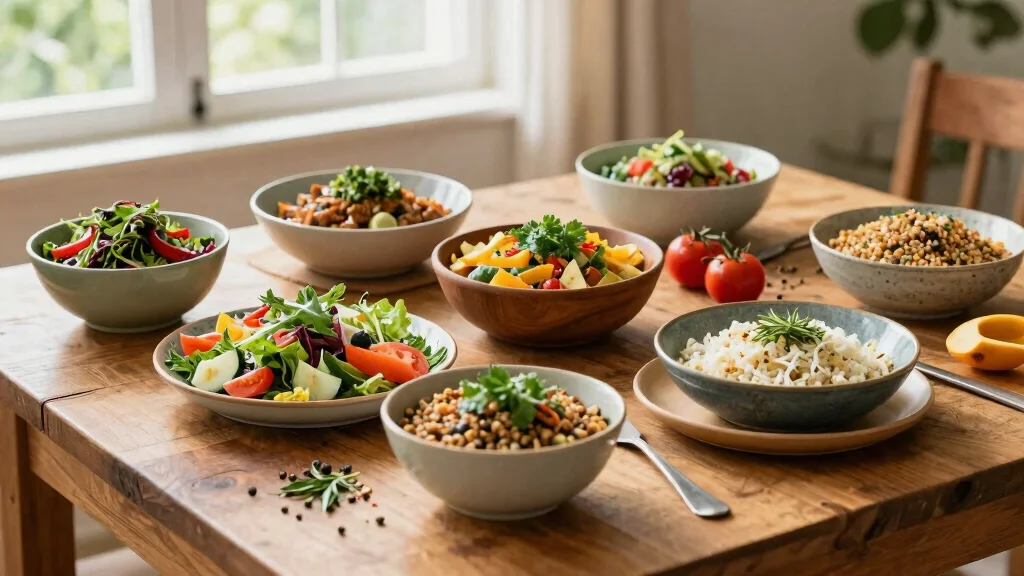

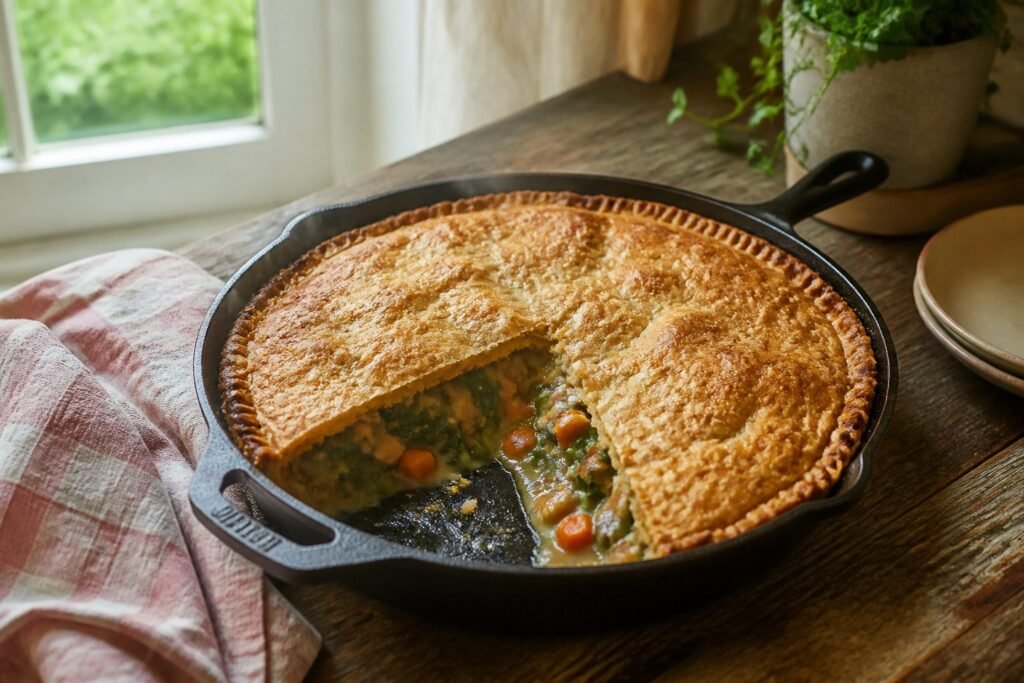
A vegan pot pie built in one skillet, with a gravy that thickens while the vegetables soften underneath and a crust that stays crisp past the first cut.
The filling has to cool 5 to 10 minutes before you slice, or it runs across the plate. I use a 10-inch cast iron skillet for the assembly, which goes from stovetop to oven without a second dish.
Ingredients

This is the filling and crust hardware for one deep, homey vegan pot pie that feeds 4 to 6 people. Everything here is in standard supermarket produce and pantry aisles.
- 2 cups mixed vegetables: carrots, peas, and potatoes in whatever ratio you like; frozen peas work fine, and the potatoes should be diced small so they finish softening inside the pie
- 1 medium onion, diced
- 2 cloves garlic, minced
- 1 rib celery, chopped fine
- 4 oz mushrooms, sliced; white button or cremini both do the job
- 1/4 cup all-purpose flour, for thickening the sauce
- 2 cups vegetable broth
- 1 cup plain, unsweetened oat or soy milk
- 3 tablespoons olive oil or melted refined coconut oil
- 1 teaspoon dried thyme
- Salt and black pepper to taste
- 1 store-bought vegan pie crust, or a homemade double crust if you are inclined; the top crust needs venting so steam can escape during baking
Recommended Products

PRETTY PATTERN - Our pie dish is hand-painted, vibrant colors, and unique design, make the patterns look more vivid.

Aluminum construction

Larger and Deeper Size: The top diameter of this pie tin is 9.5in(24cm), the bottom size is 8.2in(21cm) and the height /depth is 2.3in(5.8cm). Our size of deep tart pan is taller and bigger compared with other pie pan
Method

- Sauté the onion in 2 tablespoons vegetable oil for 7 to 8 minutes until translucent, then add garlic for 30 seconds. Stir in carrots, celery, and mushrooms until softened, about 5 to 10 minutes total.
- Sprinkle ⅓ cup all-purpose flour over the vegetables and stir 1 to 2 minutes. Gradually pour in 2 cups vegetable broth and ¼ cup oat or plant-based milk, then simmer 7 to 15 minutes until thickened.
- While the filling simmers, roll out one 12-inch pie dough round into a 10-inch cast iron skillet or pie plate, or prepare biscuit dough and divide into eight pieces.
- Pour the filling into the crust and top with a second dough round or shaped biscuits. Seal the edges with a fork and prick vents in the top.
- Bake at 400°F for 25 to 45 minutes, or start at 350°F for puff pastry and increase as needed. Biscuit-topped versions finish at 425°F for the final 5 to 8 minutes. The crust should be deep golden brown and crisp.
- Cool 5 to 10 minutes before cutting; the filling stays lava-hot and needs time to set.
Recommended Products

Wholly Wholesome, Pie Shells, Traditional, 2 ct, 14 oz (Frozen)

One 2 count box of Pie Crusts

No hydrogenated fats or high fructose corn syrup allowed in any food
Crust Options

A traditional pie crust, whether you pick it up ready-made or make it yourself, is the classic choice for a vegan pot pie.
The flakiness comes down to temperature: the vegan butter needs to stay very cold, so work fast and handle the dough as little as possible.
I’ve had good results with store-bought refrigerated doughs that bake up golden and crisp without the rolling pin.
Puff pastry sits on the opposite end of the effort scale, giving you dramatic lift and shattering layers with almost no technique required.
Thaw it, drape it, bake it. You get a lighter, less substantial lid that can feel more like a topper than a true crust.
Biscuit topping is the simpler alternative when you want something between the two. Drop spoonfuls of dough over the filling and they spread into a golden, craggy blanket as they bake.
A measure-for-measure gluten-free flour swap works here if you need it, and the same cold-vegan-butter rule applies for getting that flaky texture inside the biscuits.
Recommended Products

Each Puff Pastry sheet is made up of many delicate layers, essential to creating its supremely light, airy texture

Puff Pastry makes a perfect wrapping for a variety of savory and sweet dishes.

No hydrogenated fats or high fructose corn syrup allowed in any food
Filling Variations

Classic mixed vegetable is the baseline most of us picture, though what goes in can shift with what’s in the crisper.
Carrots, peas, corn, and green beans show up reliably; celery adds backbone to the savory base. The cooking stays straightforward since everything softens in one skillet before the gravy hits.
Chickpeas and tofu are the most common protein substitutions, but they behave differently in the pan. Chickpeas go straight in with the vegetables, absorbing gravy as they bake without extra prep.
Tofu needs its own step: the cubes want a quick sear in hot oil to build a chewy, browned crust that holds up under the sauce. Undercooked tofu turns spongy and bland inside the pie, so the skillet time matters.
Plant-based meat substitutes like soy curls aim for a closer "not chicken" bite. They need a 30-minute soak in seasoned vegetable broth first, usually with thyme, rosemary, and a bay leaf.
From there, they cook covered for about 10 minutes with the rest of the filling, a slower build that lets them absorb flavor without drying out.
The texture shreds like poultry, though the extra soaking step means starting earlier than the other versions.
Each route changes the timeline more than the method.
Vegetables and chickpeas move fastest; tofu adds a skillet round; soy curls demand the longest lead. None need special equipment, just attention to when each element actually hits the pan.
Recommended Products

PREMIUM QUALITY 18 GAUGE ALUMINUM BAKING PAN, the choice of professional bakers; Heat safe to 428 degrees F (220 C); 10 x 14 x 0.5 inch cookie sheet

Material: Made of high-grade stainless steel, not easy to deform and easy to clean.
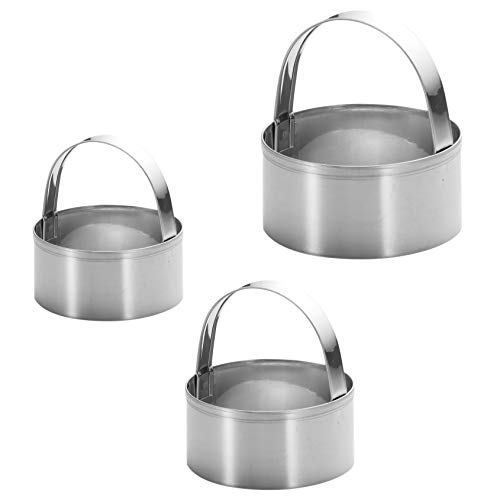
▶Biscuit Cookie Cutter Set - 3 Pieces different size stainless steel circle cutters with handle,range from 2.2 to 3.2 inch,1.5 inch deep
Storage and Reheating

Leftover vegan pot pie keeps up to 5 days refrigerated, covered tightly in plastic wrap, foil, or moved to an airtight container.
Oven reheating wins for keeping the crust crisp; I cover the dish with foil and warm it at 350°F until heated through. The microwave works when time is short, though the crust softens.
Freezing this pot pie outright is not something I recommend. The crust turns soggy after thawing, and frozen-to-baked time stretches long enough that dinner plans slip.
One workaround worth noting: freeze the filling and the crust separately for up to 3 months, then thaw both in the refrigerator, assemble, and bake fresh.
That extra step preserves the texture that makes this dish worth making in the first place.
Recommended Products

2-PIECE SET: Includes (1) Deep 9.5" Round Glass Pie Baking Dish (1) Easy Grab 9.5" Glass Pie Baking Dish. These deep baking dishes are the essentials to have in any kitchen as they are versatile in use from prepping to baking the perfect pies and desserts!

Sold as "Anchor Hocking Oven Basics 9.5-Inch Deep Pie Plate, Clear, 1 Piece" (No lid)

KITCHEN ESSENTIAL FOR SWEET AND SAVORY BAKING: This 10 inch stoneware pie dish handles everything from classic fruit pies and quiches to casseroles and macaroni and cheese - a true workhorse for everyday home baking and entertaining
Substitutions

Olive oil and coconut oil both work in place of vegan butter for the crust, though the result changes. A crust made with coconut oil tends toward crisp and slightly sweet; olive oil gives a more savory, cracker-like texture.
Olive oil works as the all-purpose swap, and 3 tablespoons of coconut oil at room temperature, blended with another neutral oil, produces a workable, if more fragile, dough.
The quarter cup of all-purpose flour used to thicken the filling can be replaced measure-for-measure with a gluten-free blend or chickpea flour.
Brown rice flour is another option. Chickpea flour carries a nutty edge I actually like in a savory gravy, but it browns faster in the pan.
For the crust itself, gluten-free adaptations run heavier on starches.
One blend uses amaranth flour, white rice flour, and potato starch in roughly equal weights, plus a tablespoon of arrowroot. That is more specialty shopping than I typically do, but it does produce a shell that holds together.
Vegetable substitutions keep the filling weeknight-friendly. Diced carrots, celery, frozen peas, and corn are standard, though one version swaps in cubed extra-firm tofu for the usual seitan, and another builds the whole thing around mushrooms.
Two cups of sliced mushrooms give the filling a denser, more autumnal character.
Recommended Products
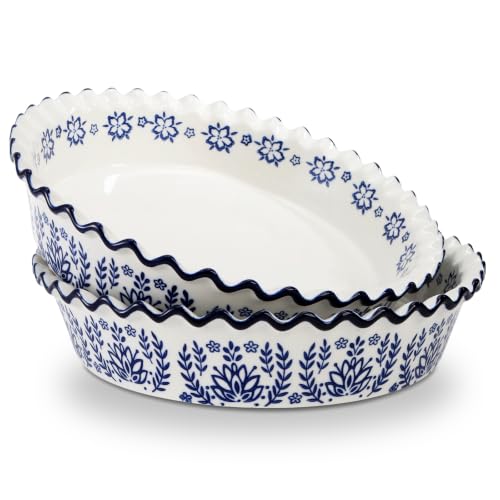
Family Size: 2 packs pie pans for baking, each measure about 10.4" D x 2.3" H. With a spacious 40.5 oz capacity perfect for family gatherings -- spreading joy and delicious moments with your loved ones

Large Size for Your Family - The 10 inch pie pan is a versatile classic product, suitable for desssert pies(apple pie, pumpkin pie), quiche, pot pies, casseroles and etc. Especially suitable as a holiday pie pan. Deeper design prevents spills, larger capacity allows more happiness to share with your beloved.

Perfect for Baking Deep Pies: This 9 inch ceramic deep dish pie pan ensures golden and flaky crusts every time, making it ideal for baking deep-dish pies, quiches, and pot pies
Frequently Asked Questions
Recommended Products

Pie crust can be a true challenge for gluten-free bakers, but our mix makes it easy to get reliable results. Our mix makes a pie crust that rolls out easily and bakes into a flaky, golden, buttery crust. It's the ideal base for quiches, tarts, and more

HOMEMADE TASTE: Delicious and convenient refrigerated pie crust dough tastes like homemade without the hassle; Just unroll, fill and bake

Can I freeze vegan pot pie?
Freezing a fully assembled and baked vegan pot pie isn’t recommended because the crust turns soggy after thawing.
A better option is to freeze the filling and the crust separately for up to 3 months, then thaw both in the refrigerator, assemble, and bake fresh.
What can I use instead of vegan butter?
Olive oil and refined coconut oil both substitute for vegan butter in the crust, with different results.
Coconut oil makes a crisp, slightly sweet crust, while olive oil gives a savory, cracker-like texture. For the filling, 3 tablespoons of oil work as the sauté base in place of any vegan butter you might otherwise use.
How do I make a gluten-free vegan pot pie?
Swap the all-purpose flour in the filling with a gluten-free blend or chickpea flour, measure for measure.
For the crust, use a gluten-free pie dough or biscuit dough made with a flour blend that includes starches like potato starch or arrowroot for structure.
How do I thicken pot pie mixture?
Sprinkle 1/4 cup all-purpose flour over the sautéed vegetables and stir for 1 to 2 minutes before gradually adding 2 cups vegetable broth and 1 cup oat or soy milk.
Simmer 7 to 15 minutes until the gravy thickens. Gluten-free flours like brown rice flour or chickpea flour work the same way.
What kind of pies are vegan?
Many pie types can be made vegan by replacing dairy butter with plant-based fats and using non-dairy milks.
Fruit pies, pumpkin pies with coconut cream, and savory pot pies with vegetable fillings and vegan crusts are common examples. The key substitutions are vegan butter or oil in the crust and plant-based milk or cream in the filling.
Where can I buy vegan pot pie?
Ready-made vegan pie crusts are widely available in the refrigerated section of standard supermarkets, which gets you halfway to a homemade version with full control over the filling.