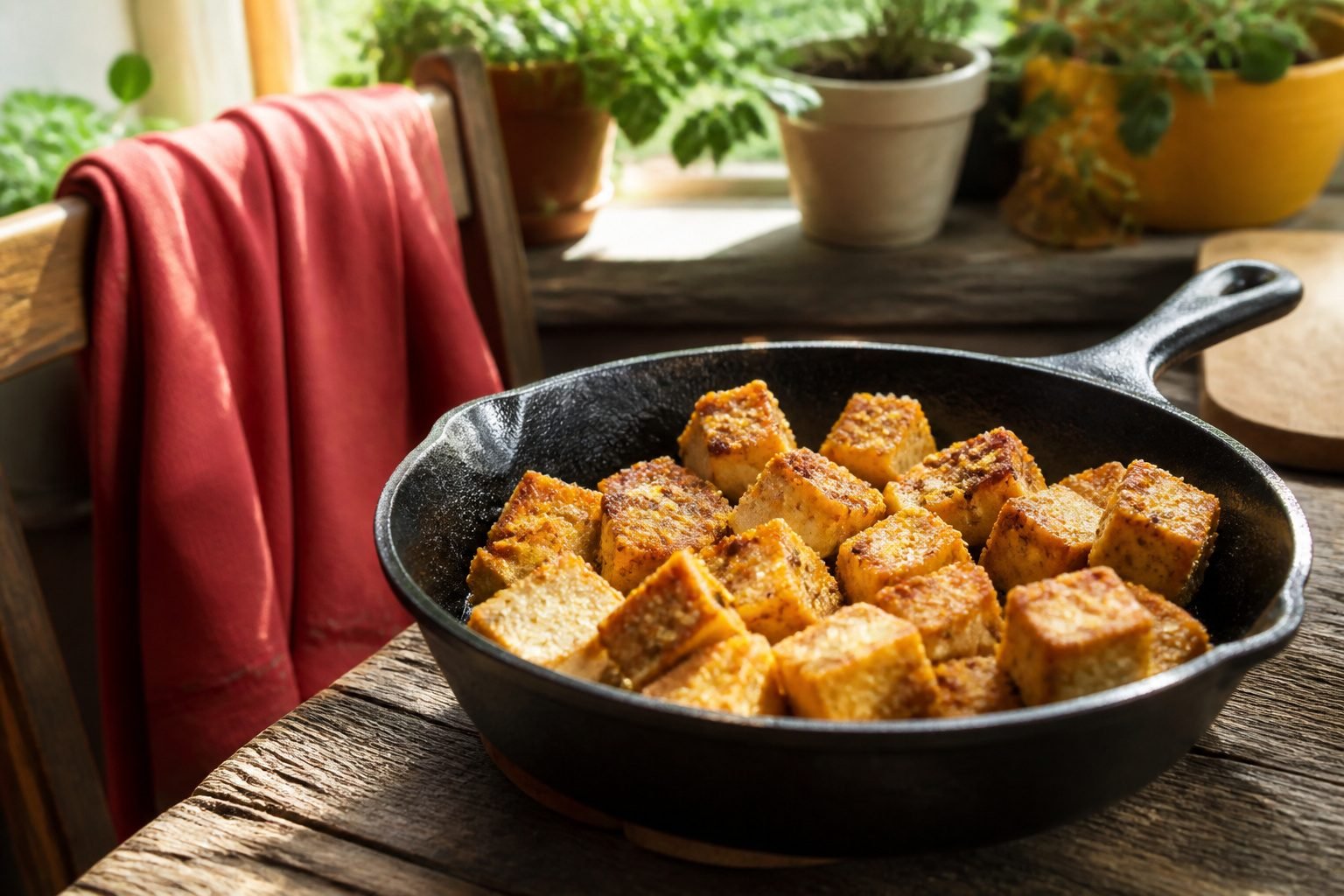

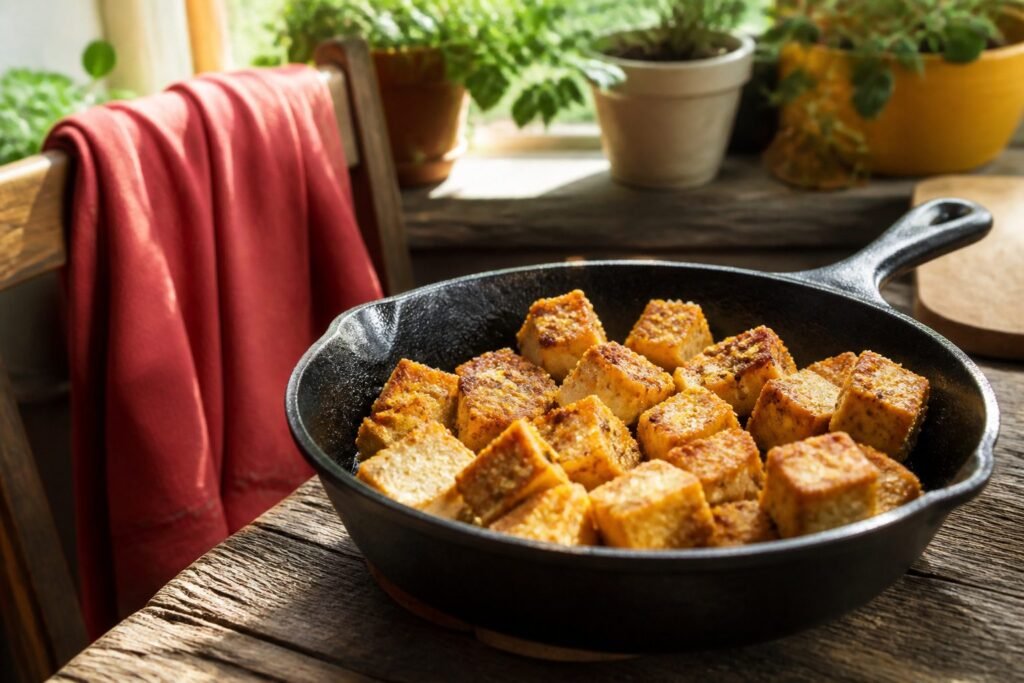
Crispy tofu demands one decision first: how much time you have and whether you own a press.
The oven forgives the most, turning cornstarch and nutritional yeast into a crackling shell over 40 minutes without a drop of oil. Rush it, skip the press, and even the air fryer leaves you with steamed centers.
1. Press the Tofu

- Tofu holds a surprising amount of water, and that water is the enemy of crispiness. Without pressing, the block steams in its own moisture instead of browning, giving you sad, soft edges that no amount of extra heat will fix.
- Most blocks need 15 to 30 minutes under pressure. Extra-firm tofu starts out drier, so it can lean toward the shorter end; regular firm benefits from the full half hour.
- You have two practical ways to do this. A tofu press is purpose-built and hands-free. The towel method works with what you already own: wrap the block in an absorbent kitchen towel, place it on a plate, and set something flat and heavy on top. A cutting board weighted with 3 or 4 cans, a cast iron skillet, or even a heavy book will slowly squeeze the moisture out while the towel absorbs it.
- Skip this step and your coating will slide off, your baking sheet will pool with liquid, and you’ll wait longer for a result that never arrives. Wet tofu just won’t crisp up, no matter the method.
Recommended Products

TRANSFORM WATERY TOFU INTO CRISPY, FLAVORFUL MEALS: Tofuture removes excess water from tofu blocks in 15–20 minutes, helping create firmer texture, crispier results, and better marinade absorption. Excess moisture prevents tofu from crisping properly and absorbing flavor. Press, cook, and taste the difference.

Efficiently extract water from tofu for marinating, baking, air-frying or sautéing

PRESSED IN 15 TO 20 MINUTES, NOT AN HOUR UNDER BOOKS: The spring system drains the water that keeps tofu soggy, so it soaks up marinade and seasoning instead and crisps properly in the pan.
2. Cut the Tofu

Surface area is what turns tofu from pale and soft to actually crisp, and the shape you choose controls how much of it you get. Smaller pieces crisp better because every edge and corner meets hot air or oil directly.
I cut mine into cubes ½ to ¾ inch on a side when I want maximum crunch across the entire piece. Thin slabs work too, and they’ll crisp faster, though the centers stay a little softer.
Some cooks tear tofu into ragged pieces after slicing the brick into slabs; those torn edges grab more cornstarch later and create extra-textured ridges in the oven or air fryer.
A whole brick of extra-firm tofu sliced into four slabs, then diced, gives you pieces roughly that ½- to ¾-inch size.
Go larger and the ratio of crunchy exterior to steamy interior tips the wrong way. The corners on small cubes are the first to turn golden, and in a hot oven at 425°F, those edges happen in about 15 minutes.
Recommended Products

✅ BETTER TOFU, LESS MESS: Press water from firm or extra-firm tofu in about 15–20 minutes for a firmer texture that absorbs marinades and cooks more evenly—without stacks of plates, towels, or heavy objects.

3 Pressure Levels: 3 pressure levels on the top of tofu press make it extremely easy to choose your desired tofu firmness, and allow you to press either firm tofu or gently drain silken tofu.

Fast, Evenly, No Crack: Simply twist the central dial, this self contained tofu presser with Strong and Intelligent stainless steel spring can easily squeeze out water in 10-30mins for better flavor and texture; It will give you an excellent EVEN press, and perfect crack-free tofu.
3. Coat the Tofu

- Toss drained, cubed tofu with 1 tablespoon olive oil and 1 tablespoon soy sauce in a bowl first. The liquid helps the starch cling instead of sliding off dry protein.
- Add 1 1/2 tablespoons cornstarch (or swap in arrowroot powder, tapioca starch, or fine cornmeal) plus whatever seasonings you want now. A sifter keeps the starch from clumping into pockets you will bite later.
- Toss until every cube loses its powdery white spots. The thin layer absorbs surface moisture and builds the crunchy shell; without it, steam softens the exterior while the inside cooks.
- If you are using tapioca starch, let the coated tofu sit for 5 minutes before it hits heat. That resting period keeps the coating from falling off in the pan or oven.
Recommended Products
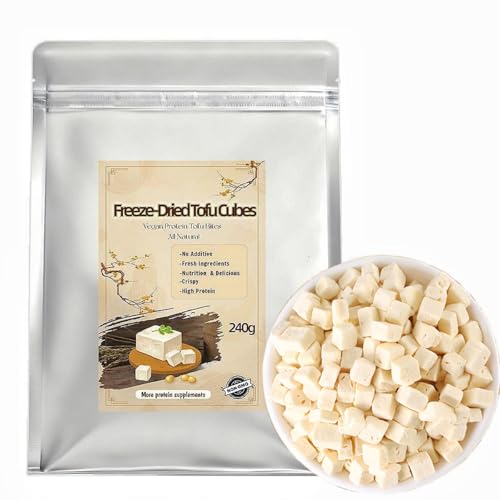
HIGH PROTEIN VEGAN SNACK: Freeze-dried tofu cubes provide a nutritious, plant-based protein source that's perfect for vegans and vegetarians seeking convenient, healthy meal additions
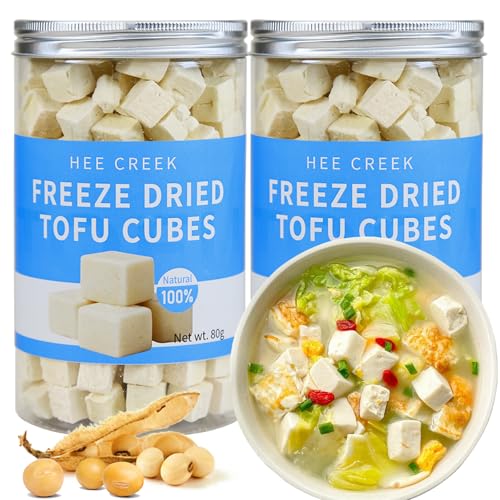
NOTE: This product is freeze-dried tofu. Each tofu cube measures approx. 1.5 cm (0.6 inch). Ingredients: Soybeans and glucono delta-lactone (used as a coagulant). No other additives.
4. Cook the Tofu

How you cook the tofu matters less than how much room you give it.
The pieces need space; airflow is what turns the coating crisp instead of soggy. Crowd the pan and you steam the edges, whether the heat comes from the oven, the skillet, or the air fryer.
Three ways work, each with its own pacing:
| Method | Temperature | Time | Notes |
|---|---|---|---|
| Oven bake | 400–425°F | 25–40 minutes | Flip at the halfway mark for even browning |
| Pan-fry | Medium-high | 10–20 minutes | Turn to crisp all sides |
| Air fry | 370°F | 10–15 minutes | Shake or flip near the end |
The oven route takes longest but holds the most pieces at once.
Air frying wins on speed and cleanup, though the batch size shrinks. Pan-frying sits between them, and the stovetop lets you watch the color shift minute by minute.
Each method has range built in because tofu thickness and coating density shift the finish line. Check early; the target is golden brown with no pale patches left on the edges.
Recommended Products

AIR FRYER MAGNET: This Air fryer times and temp guide magnet is carefully crafted with waterproof, oil-resistant, and tear-proof materials, our cheat sheet is built to last. The sturdy Big Magnet (10.5 x 6.5") and Small Magnet (5 x 5") securely attaches to your fridge or any magnetic surface.

5. Serve or Store

Crispy tofu waits for no one. The crackling exterior softens within an hour of coming off the heat, so serve it immediately whenever you can.
Leftovers keep in an airtight container in the refrigerator for 3 to 4 days. Store them separately from sauces or wet components; moisture is what turns that hard-won crunch to chewiness.
Reheating demands dry heat.
A 375°F oven or air fryer revives the texture best. A hot skillet works too.
The microwave is there if you are in a hurry, though the result trades crisp for merely warm. Freezing is not worth it; the texture collapses on thawing and never quite recovers.
Recommended Products

Organic pre-baked tofu saves cooking time Lightly seasoned for versatile recipe use Nine-ounce package provides convenient protein source
6. Crispy Baked Tofu

Baked tofu was the first crispy method I ever trusted, and it still wins for nights when I want the oven doing the work while I chop the rest of dinner.
The technique is simple: press a 14 oz. block of extra-firm tofu, cube it, toss with tamari, then coat with cornstarch and a little nutritional yeast for savoriness.
Some cubes shed a corner in the bowl. That is fine.
Bake at 400°F for 20 minutes, flip, then 18–20 minutes more.
The cornstarch dries against the hot pan and puffs into a thin, crackling shell. No oil required, though I sometimes add garlic and onion powder to the bowl for a flavor that reads almost cheesy.
The yield lands at about three servings, with a 50-minute total time that feels honest.
What I get from this method is forgiveness: the batch re-cracks in a hot skillet the next day, and it takes sauce without going limp. For weeknight reliability, baked tofu is the baseline I compare the others against.
Recommended Products

3 Pressure Settings: this tofu press has 3 pressure settings on the top, will help you choose the exact firmness.


Effortless Tofu Prep - Place the tofu between plates, slide the lid, and twist the spring for fast, even tofu. Our tofu press with a robust stainless steel spring delivers consistent pressure and will drain all moisture in 15 to 20 minutes, enhancing flavor and texture. Scan our QR code for a step-by-step guide. Perfect for weeknight dinners, plant-based entertaining, or weekly meal prep.
7. Pan-Fried Tofu

A stovetop skillet is where I turn most often when tofu needs to be crispy tonight and I don’t want to wait on an oven or rehearse a new gadget.
The method is direct: coat cubes or slabs in cornstarch, fry in a thin layer of oil, and let the surface turn to a dry, crackling shell while the inside stays supple.
A quarter cup of cornstarch for a 16-ounce block is the ratio I work from, sometimes whisked with nutritional yeast, black pepper, salt, and garlic pepper for a savory crust that needs no sauce afterward.
The tofu should be moist, not sopping; a quick blot with paper towels is enough, and pressing is a step I usually skip.
Heat 2 to 3 tablespoons of oil in a non-stick pan for about a minute before the coated slices go in. Five minutes per side, then rotate to hit all four edges.
The full shape browns, nothing sticks to a bare spot, and the cornstarch binding keeps the coating tight to the surface without the five-minute rest that tapioca starch demands for the same adhesion.
"Have you ever seen crispier tofu? … coated in smoked paprika and garlic granules for ultimate flavour, then fried for crisp perfection. The cornflour coating means it’s gluten-free too."
That cornflour trick translates straight to cornstarch in American pantries, and the gluten-free note matters less than the texture: a powdery dredge fries up lacier and lighter than a wet batter ever will.
This pan-fried method lands on weeknights when I want crisp tofu in twenty-five minutes, start to finish, with nothing special beyond a skillet and a spatula.
Recommended Products

Super Pressing: Powerful pressure from the long screw and inner smarter spring can press your tofu as thin as paper.
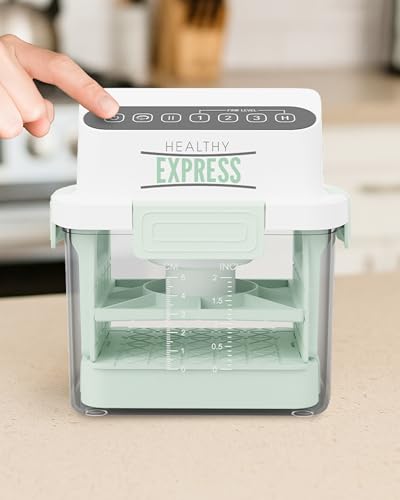
THE FIRST & ONLY ELECTRIC TOFU PRESS ON THE MARKET - Press the button and walk away with smart automatic pressure for consistent results every time.

✅ TOFU AND PANEER, LESS MESS: Press water from firm or extra-firm tofu in about 15–20 minutes, or use cheesecloth (not included) to help press paneer—without balancing plates, towels, or heavy objects.
8. Air-Fried Tofu

The air fryer lands somewhere between baking and frying. It gets hotter and moves faster than an oven, which means the outside of the tofu actually crisps instead of slowly desiccating.
The trade is that you work in batches, and the pieces need space to let the hot air circulate.
Press the block for about 20 minutes first.
Wrap it in a dish towel, set a cutting board on top, and pile on something heavy from your kitchen: a few cans, a thick cookbook. Skip this and the center stays wet, which ruins the whole thing.
Cut into bite-sized cubes, toss with 1 tablespoon of olive oil, then sprinkle about 1 tablespoon of cornstarch.
The air fryer needs less starch than frying in a pan because it is not battling a oil barrier, but it still needs some to build that shell.
Season with salt and pepper, or go dry with taco seasoning or curry powder.
Preheat to 380°F, then load the basket.
The pieces should not overlap. Cook for around 15 minutes, tossing every 5 minutes so nothing sits in a cold spot.
The exact finish depends on your model; start checking at the 12-minute mark and let color be your guide. Store any leftover pieces airtight for 3 to 4 days, and reheat at 375°F to bring the crunch back.
9. Garlic Sauce Tofu

Fried tofu with garlic sauce comes together in under 20 minutes, which is the draw for a weeknight when you want something that reads as a treat without the project.
The tofu gets its crunch from a shallow fry, and the sauce lands somewhere between the savory drizzle you’d find at a Taiwan night market and something you can keep in your own rotation.
For the sauce, the versions that stick with me start from hoisin and soy sauce, then build with ginger, garlic, and rice vinegar.
That particular combination outlasted every other sauce experiment in my notes. The hoisin gives body, the vinegar keeps it from sitting heavy, and the garlic needs to be fresh, not jarred, or it flattens out against the hot tofu.
Pressing matters here, same as anywhere you want crispiness, so don’t skip it even if the clock is running.
The 20-minute promise holds, but only if you’ve already drained the block. Fry in batches with enough oil to coat the bottom of the pan, then let the pieces sit undisturbed until the underside releases freely.
That’s the sign the crust has set. Drain on a rack, not paper, or the steam trapped against wet material undoes the work.
Recommended Products
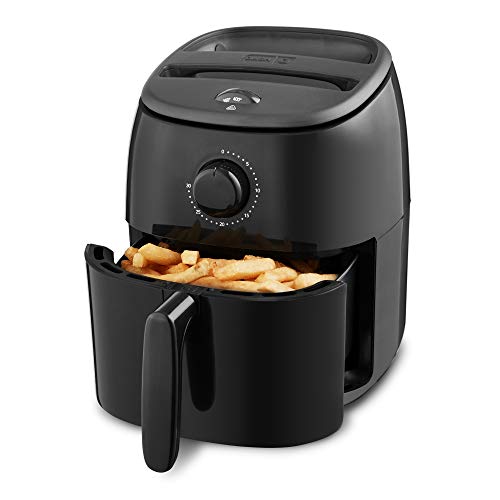
Compact Air Fryer, Big Crisp: A small air fryer for one person or two, the 2.6-quart Basket fits your countertop without hogging space; perfect for apartments, dorms, RVs, and tight kitchens


Air Frying Is for Everyone: This Dash Air Fryer Recipe Book helps you prepare air-fried meals with easy-to-follow guides and clear instructions for everyday use
10. Crispy Asian Tofu

The hoisin-soy blend sets this direction apart from anything else in the article.
A little ginger, garlic, and rice vinegar cut through the sweetness so the tofu does not read as dessert. The air fryer handles the crisping once the marinade has done its work.
I press a 14-ounce block for at least twenty minutes, then cube it and let it sit in the sauce while the air fryer heats.
A light dusting of cornstarch before cooking absorbs surface moisture and builds the crackle, which matters more than any sauce trick when you want real texture against soft rice.
The cubes go in at 375°F for about twelve minutes, shaken once halfway through. They come out sticky-edged and shattering, the kind of thing my kids pick off the plate before I can portion it out.
Leftovers make a cold lunch worth stealing from the fridge, though they soften overnight and never quite recover that first snap.
Tofu Types and What Changes

Extra firm tofu is the safest starting point for crispy results.
It has been pressed the most, so it holds less water and keeps its shape through slicing, dusting, and pan frying. The cubes stay intact, the coating sticks, and the margin for error is wider.
Firm tofu works too, though it needs more attention to drying.
Some cooks prefer medium firm for the contrast: a craggy shell around a moist, fluffy center. That reward comes with risk.
The higher water content makes the cubes slippery, and cornstarch clings poorly unless every surface is patted thoroughly dry. Extra firm forgives a rushed towel; medium firm does not.
Super firm tofu, the kind Trader Joe’s stocks, sits at the far end of the spectrum. It is drier still and takes sauce well, though the texture can verge on dense.
I buy extra firm for weeknight cooking because consistency matters more than perfection. The dryer interior is a trade I accept for cubes that do not fall apart when I turn them in the pan.
Seasonings That Work

The seasonings that stick to crispy tofu fall into two camps: wet flavor that bakes into the flesh, and dry coating that fries onto the surface.
Both matter, and adding them in the wrong order leaves you with dusty cubes or splotchy crust.
I keep my lineup short and use hard amounts, not vague sprinkles:
- Garlic powder at 1 teaspoon per block gives a steady savory base without the moisture of fresh garlic, which can steam the crust from underneath. I dial back to ¾ teaspoon if I’m pairing with a punchy sauce later.
- Soy sauce or tamari at 1 tablespoon goes on first, tossed with the bare cubes before any starch hits it. One source calls for tamari as the only wet ingredient in an oil-free bake; another folds it into a full oil-based marinade. Either way, the tofu needs that minute to drink something in.
- Nutritional yeast at 2 tablespoons builds the crisp, cheesy exterior that makes oven-baked tofu taste fried. A quarter cup works if you want heavier coverage, but 2 tablespoons coats a 14-ounce block evenly without clumping.
- Spices after, not before, the cornstarch. Smoked paprika at 1 teaspoon adds color and subtle heat; oregano at 1 tablespoon if I’m going Mediterranean. Onion powder at ¼ teaspoon is my quiet background note, easy to miss but flat without it.
- Salt sits at ¾ teaspoon when there’s no soy sauce in the mix, or gets dropped entirely when the soy sauce is in. The two do not stack without tasting oversalty fast.
Oil-Free Crispy Options

Baking tofu without oil is the method I return to when the pan feels like too much cleanup for a Tuesday night.
The oven does the work, and the results can still crackle between your teeth if you set it up right.
The recipe that converted me uses a 400°F oven and about 40 minutes total. Press a 14-ounce block of extra-firm tofu well, cube it, then toss with a tablespoon each of tamari and cornstarch plus two tablespoons of nutritional yeast.
The cornstarch is the non-negotiable part; it forms the brittle skin that shatters when you bite.
Onion powder and garlic powder help, but the cornstarch and nutritional yeast do the heavy lifting. Space the cubes out on parchment or a silicone mat so steam can escape, bake 20 minutes, flip, then go another 18 to 20.
What I have not gotten to work is skipping the press. Unpressed tofu steams in its own jacket of moisture and comes out with the texture of a wet sponge no matter how long you leave it in.
I have also had poor luck with adding wet marinades after the dry coating; the cornstarch turns gummy and you lose the crust entirely.
If I want bold flavor underneath, the tamari goes on first and gets a minute to absorb before anything powdery touches the cubes.
The real win is putting the finished tofu straight into a bowl or wrap while it still crackles, since that coat softens as it sits.
Frequently Asked Questions
How do I make crispy tofu?
Press the block for 15 to 30 minutes to force out water, then toss with a thin coating of cornstarch and bake at 400–425°F, pan-fry over medium-high heat, or air fry at 370°F. Smaller cubes crisp better than large pieces because more edges hit the hot air or oil directly.
What is the best way to cook tofu?
Baking, pan-frying, and air frying all work; the best choice depends on your priorities. The oven holds the most pieces at once but takes 25–40 minutes.
Air frying is fastest at 10–15 minutes with easy cleanup, though batch sizes shrink. Pan-frying sits in the middle for speed and capacity, and lets you watch the color shift minute by minute.
How long should tofu be pressed?
Most blocks need 15 to 30 minutes under pressure. Extra-firm tofu starts out drier, so it can lean toward the shorter end; regular firm benefits from the full half hour.
Skip this step and the coating slides off, the pan pools with liquid, and the edges stay soft no matter how long you cook.
Can I freeze tofu?
Freezing is not worth it for crispy tofu.
The texture collapses on thawing and never quite recovers its crunch. Leftovers keep in an airtight container in the refrigerator for 3 to 4 days, and reheat best in a 375°F oven or air fryer to revive the texture.
What seasonings can I use for tofu?
Garlic powder at 1 teaspoon per block, soy sauce or tamari at 1 tablespoon, and nutritional yeast at 2 tablespoons are the core savory trio.
Spices like smoked paprika or oregano go on after the cornstarch, not before, so they fry onto the surface instead of steaming the crust from underneath.
What is the sauce for square tofu?
A hoisin-soy blend with fresh ginger, garlic, and rice vinegar is the standout pairing for crispy tofu in this style.
The hoisin gives body, the vinegar keeps it from sitting heavy, and the garlic must be fresh, not jarred, or it flattens against the hot crust.
Is crispy tofu still healthy?
Yes, and it can be made entirely oil-free.
Bake pressed cubes tossed with tamari, cornstarch, and nutritional yeast at 400°F for about 40 minutes total. The cornstarch forms a brittle, crackling skin without any added fat, though the coating softens as it sits and is best served immediately.
What are some quick and easy tofu recipes?
Pan-fried tofu lands on the table in about 25 minutes start to finish: coat cubes in cornstarch with a little nutritional yeast and spices, then fry 5 minutes per side in a hot skillet with 2 to 3 tablespoons of oil.
For even faster results, garlic sauce tofu comes together in under 20 minutes if the block is already pressed.