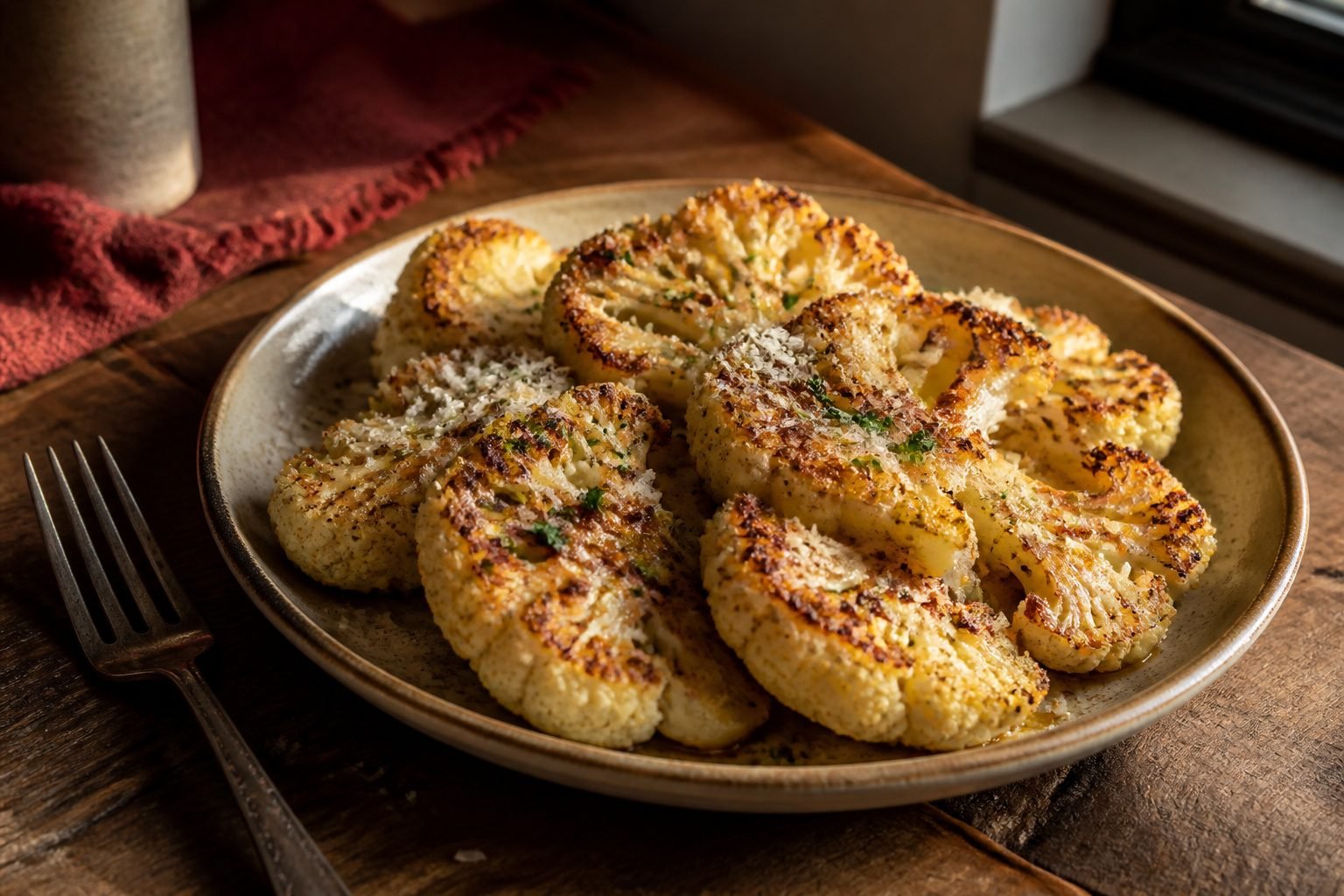

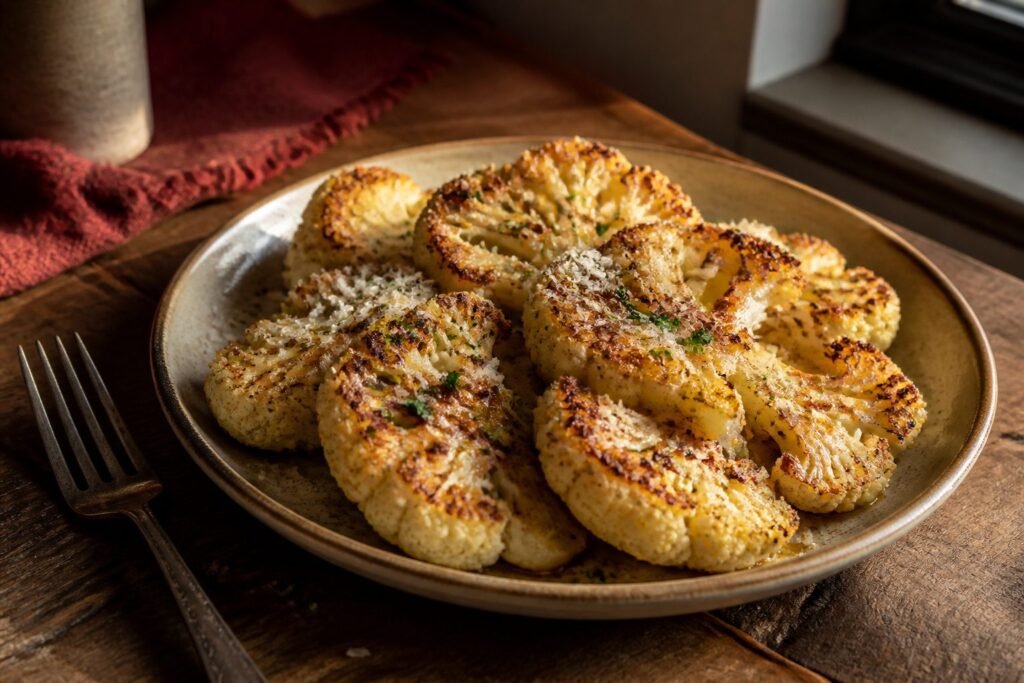
This baked cauliflower recipe lands somewhere between a weeknight side and something you would serve to company: the edges turn deeply golden and nutty while the centers stay creamy, and a scatter of Parmesan in the final minutes builds a crust that clings to every floret.
From raw head to finished dish takes about 30 minutes at 425°F, though the real variable is how thick you cut it.
Slicing to an even half inch matters more than the exact shape; that uniformity is what lets the edges caramelize and the stems soften in the same window, which is why I toss in a bowl first rather than drizzling oil on the pan.
Crowding is the mistake that turns roasted cauliflower steamed, so use a second sheet if the florets touch.
Ingredients

A medium-large head lands right around 1 pound of trimmed florets**, which matches what most supermarket cauliflower runs. Cut it into 2-inch pieces or thinner slices, depending on how much edge you want against the creamy center.
Here is what you will need:
- 1 medium-large head cauliflower, about 1 pound, trimmed and cut into ¼-inch-thick slices or 2-inch florets
- 2 to 3 tablespoons olive oil
- 1 teaspoon seasoned salt
- 3 cloves garlic, chopped
- Black pepper, to taste
- 2 tablespoons Parmesan cheese, optional but worth it
- Juice of ¼ lemon
1 pound cauliflower, about 1 medium-large head, trimmed and cut into ¼-inch-thick slices or 2-inch florets
That weight-to-size ratio saves you from guessing at the store. If all you find are 2-pound heads, scale the oil and salt up accordingly.
A few swaps that work without throwing off the method: regular olive oil for extra-virgin, kosher salt for the seasoned kind if you add your own pinch of garlic powder and paprika, and Pecorino or a harder aged cheese for Parmesan.
Skip the cheese entirely if you are keeping it vegan; the lemon and garlic carry enough flavor on their own.
Recommended Products

🍃【140 SHEETS - HIGH VALUE PACK】 Get 140 generously sized sheets! This large pack offers exceptional value compared to smaller packs, ensuring you're always prepared for baking, roasting, and meal prep.

【PRE-CUT & PERFECT FIT】130 Pre-Cut 9" x 13" Parchment Paper Sheets Fit Quarter Sheet Pans And Most Air Fryers. Flat, Ready-To-Use Sheets Eliminate Curling, Measuring, And Cutting, Making Baking And Meal Prep Faster And More Convenient.

How to Bake Cauliflower

- Preheat the oven to 425°F. This sits in the middle of the usual 375°F–450°F range most recipes land on, and it gives you enough heat to brown the edges without burning thin pieces before the centers soften.
- Cut the cauliflower into 1/2-inch thick florets. Slicing to this width matters more than the exact shape; even thickness means the edges caramelize and the stems turn tender in the same window.
- Toss with olive oil and seasonings in a bowl, then spread in a single layer on the baking sheet. A bowl coats every crevice better than drizzling on the pan. If the florets touch, they steam instead of roast, so use a second sheet rather than crowding.
- Bake 25–35 minutes, turning the florets halfway through. The stems should pierce easily with a paring knife and the edges should look deeply golden, almost nut-brown in spots. That color is your real doneness cue, not the clock.
- Add Parmesan in the final minutes if using. Pull the sheet, scatter the cheese, and return it just long enough for the shavings to melt and barely crisp, about 2–3 minutes. Any longer and the cheese turns greasy.
Recommended Products

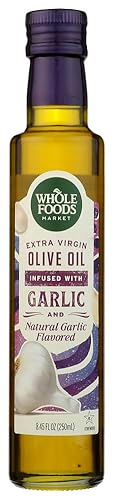
RICH & BOLD FLAVOR: Reach for the flavor of bold garlic and rich olive oil to infuse everyday and special occasion meals with unforgettable flavor the whole family will love.
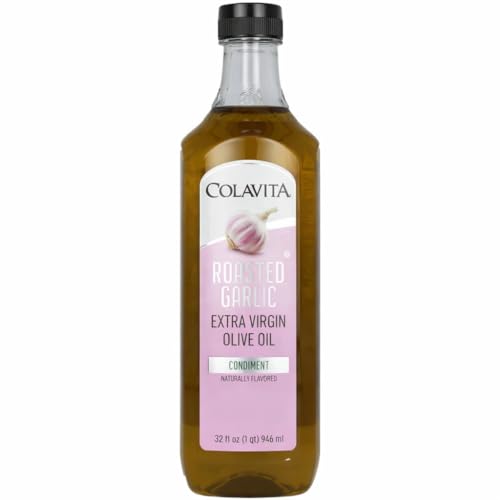
ROASTED GARLIC INFUSION: Cold pressed extra virgin olive oil blended with natural roasted garlic essence for a rich, mellow flavor that enhances everyday cooking.
No bleached or bromated flour
Oven Temperature and Timing

375°F gives you 25–30 minutes of slow, even roasting with more time for the garlic to mellow into the florets.
Crank to 450°F and you’re looking at 25–35 minutes, but the edges turn crisp and deeply browned before the centers go soft. That upper heat is where the Parmesan crust really sets.
I start checking at 25 minutes no matter the temperature.
A 2-inch thick cut floret behaves very differently from a bite-sized piece, and the passed-over passages make that plain: one specifies ½-inch thick steaks needing 30–35 minutes, another calls for small florets hitting doneness in that same 25–30 minute window at the gentler heat.
Size is the silent variable the temperature dial doesn’t fix.
The honest comparison is speed versus forgiveness. At 450°F, crossing from golden to scorched happens fast; at 375°F, the florets forgive a distracted cook by a margin of several minutes.
My own weekly habit lands at 425°F, splitting the difference to 30 minutes with a halfway flip, though that middle number comes from no single source that made the cut.
Recommended Products
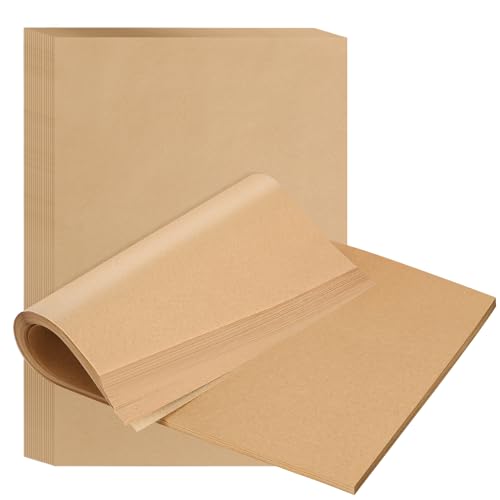
PRE-CUT 9 X 13 INCH SHEETS: These 9 x 13 inch parchment paper sheets are precut to fit quarter sheet pan and most baking pans, eliminating the need for measuring or trimming

140 SHEETS – EXTRA VALUE:Get 140 parchment paper sheets, 9x13 inch(Quarter Sheet size) – a generous high value pack. A true baking paper for everyday use.
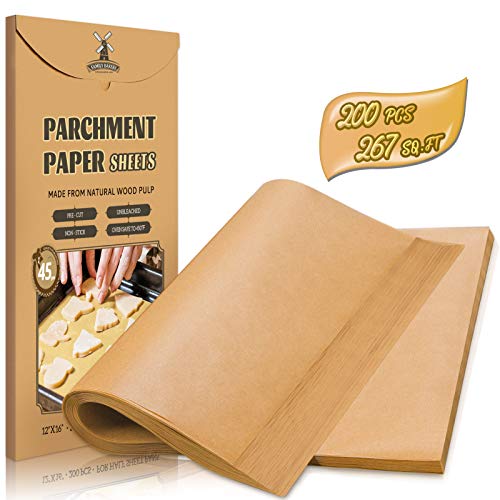
EXTRA THICKENED: Each of these 200 pieces of parchment is extra thick, and our parchment paper is 45gsm. more durable and less brittle, so you can easily pick up the food on the baking sheet by lifting parchment paper without any breaking. MOREOVER, IT IS MORE COST-EFFECTIVE
Seasoning Options

Cauliflower takes seasoning better than almost any vegetable I have met. The basic version needs only olive oil, salt, and pepper and still comes out golden and nutty, which is why I return to it on busy nights.
Parmesan changes the equation entirely. A quarter cup of freshly grated cheese, pressed or minced garlic, 3 tablespoons of fresh thyme leaves, and 2 tablespoons of lemon zest bake into a crust that clings to every edge.
The garlic turns sweet, the thyme stays almost grassy, and the lemon zest keeps the richness in check.
Greek yogurt is the move I did not expect to work.
Stir ¾ cup yogurt with 2 tablespoons olive oil, a teaspoon of paprika, half teaspoons each of cumin, chili powder, onion powder, and dried oregano, plus half a lemon juiced and some salt.
Coat the florets and let them sit anywhere from 30 minutes to overnight. The yogurt thickens into almost a sauce as it roasts; the cumin and chili powder warm it up without making it hot.
For a broader profile, Italian leans on garlic and thyme with that same parmesan. Mexican pulls from the cumin and chili powder range, sometimes with paprika deepened to smoked.
Indian versions layer the same spices toward garam masala territory, though you can keep it loose with a heavy hand on cumin and a finish of lemon juice.
The florets should not be too small or too large for any of these; dry them well so the coating sticks.
Recommended Products
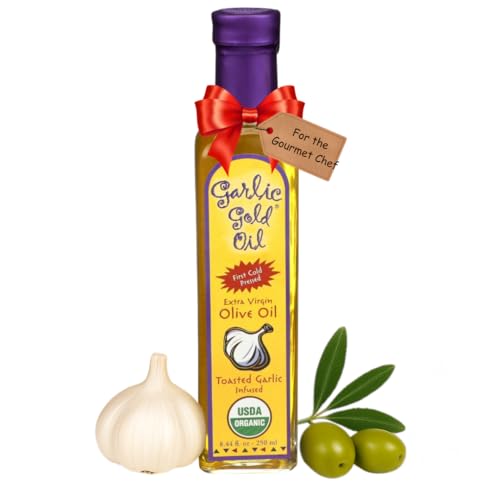
Garlic Gold's Garlic Infused Extra Virgin Olive Oil offers a hand-crafted artisanal experience that's widely recognized as the finest tasting garlic infused organic EVOO on the market.

Try it drizzled over cold pasta salads, or enhance your homemade tomato sauce with aromatic herbal notes

Healthy diet & weight management - Olive Oil is a healthy and delicious addition to many dishes. Evoo contains antioxidants, monounsaturated fats, and other health-promoting properties. With our revolutionary Spray bottle, you can control YOUR portions and reduce fat in your cooking or salad.
Whole Roasted Cauliflower

Most nights, florets win for speed. But roasting the whole head has a place, and that place is a dinner where you want the vegetable to look like something.
A whole head bronzes more slowly, and the interior steams into tenderness while the exterior builds a crust.
Thirty-five to forty minutes in the oven gets you there, with none of the crumbly debris that ends up in the drawer beneath the stove.
The trade is uneven surfaces. Florets give you edges and flat planes; a whole head offers one big dome and whatever contact patch it sits on.
That is why a Dutch oven helps. The enclosed space traps steam, softening the center before you finish it lid-off, and the heavy base buys you better browning underneath than a sheet pan would.
Save this method for when the cauliflower needs to carry more weight: a holiday side that sits at the center of the platter, or a vegetarian main you slice into wedges.
Weeknight consumption, fast and informal, still belongs to the broken-apart florets.
Recommended Products

[Perfect Fit] Pre-cut rounded-corner parchment paper (16.4×11.4in) matches our 18×13in baking pan perfectly—no overhang, no gaps, no messy trimming. The 100-piece pack saves you time and money, offering great value compared to standalone parchment paper purchases.

Perfect Fit for Half Sheet Pans: Sized at 16.54" x 11.62", these reusable silicone baking mats fit all standard half sheet trays. Ideal for baking cookies, bread, pastries, or roasting vegetables — no parchment paper or foil needed.

NO MORE HASSLES – Tired of parchment that curls or burns? Choose Baker’s Signature precut, unbleached sheets. They won't curl, stick, or burn. Ideal for bread, pastries, cookies, cakes, and more. Ensure a seamless baking experience, guaranteed!
Serving and Storage

A full batch fills about five cups of florets, enough for a busy weeknight table. The roasted cauliflower works as a straightforward side, though it also holds up folded into grain bowls or salads with farro and feta.
A drizzle of tahini or a scoop of tzatziki cools the garlic and adds something creamy without extra pans.
Leftovers keep in the fridge for two to three days. The texture softens as it sits, so reheating in a hot oven rather than a microwave brings back some of the original crispness.
If the florets ever go straight from freezer to oven, they roast fine without thawing first; the edges just need a few extra minutes to catch up.
Recommended Products


COBRAM ARTISAN COLLECTION: Enjoy Garlic flavored 100% California Extra Virgin Olive Oil. A convenient way to add bold flavor to a variety of meals.

Flavor Without Discomfort: Crafted in Italy from premium Extra Virgin Olive Oil, this Low FODMAP garlic-infused oil delivers bold garlic flavor without the upset. Made without artificial flavors and ideal for IBS-friendly cooking
Frequently Asked Questions
Recommended Products

Natural, Unbleached Parchment Paper: Made from natural wood pulp, our parchment paper baking sheet is completely free from fluorescent agents, chlorine, and other harmful...
What temperature do you roast cauliflower?
Roast cauliflower anywhere from 375°F to 450°F. The middle ground of 425°F browns the edges without burning thin pieces before the centers soften.
Lower heat forgives a distracted cook; higher heat crisps the edges faster but crosses into scorched territory quickly.
How long do you bake cauliflower?
Bake for 25 to 35 minutes at 425°F, turning the florets halfway through. The real doneness cue is color, not the clock: edges should look deeply golden and almost nut-brown in spots, and a paring knife should pierce the stems easily.
Size matters more than temperature; thick slices need the full 35 minutes while smaller pieces finish sooner.
Can you roast frozen cauliflower?
Yes, you can roast frozen cauliflower without thawing it first.
The florets roast fine straight from the freezer; they just need a few extra minutes in the oven for the edges to catch up. Expect the same browning, just delayed by the extra moisture.
What spices taste best on cauliflower?
Garlic, paprika, and cumin are the workhorses. Parmesan and lemon zest build a crusty edge; cumin and chili powder with yogurt create a warm, saucy coating.
The vegetable takes seasoning better than almost any other, so even just olive oil, salt, and pepper yields a nutty, golden result.
Is baked cauliflower healthy?
Baked cauliflower is low in calories and full of dietary fiber, vitamin C, and folic acid.
It supports digestion and iron absorption, and roasting uses only a small amount of oil compared to frying. The recipe keeps it light: two to three tablespoons of olive oil for a full pound of florets.
How do I cook cauliflower?
Cut it into even pieces, toss with oil and seasonings in a bowl, spread in a single layer on a baking sheet, and roast at 425°F for 25 to 35 minutes.
A bowl coats every crevice better than drizzling on the pan, and spacing the florets apart prevents steaming. Turn them halfway through for even browning.
How to bake frozen cauliflower in the oven?
Spread frozen florets on a baking sheet in a single layer, toss with oil and seasonings, and bake at 425°F without thawing first.
Add a few extra minutes to the usual 25 to 35 minute window; the edges will brown once the excess moisture cooks off.