
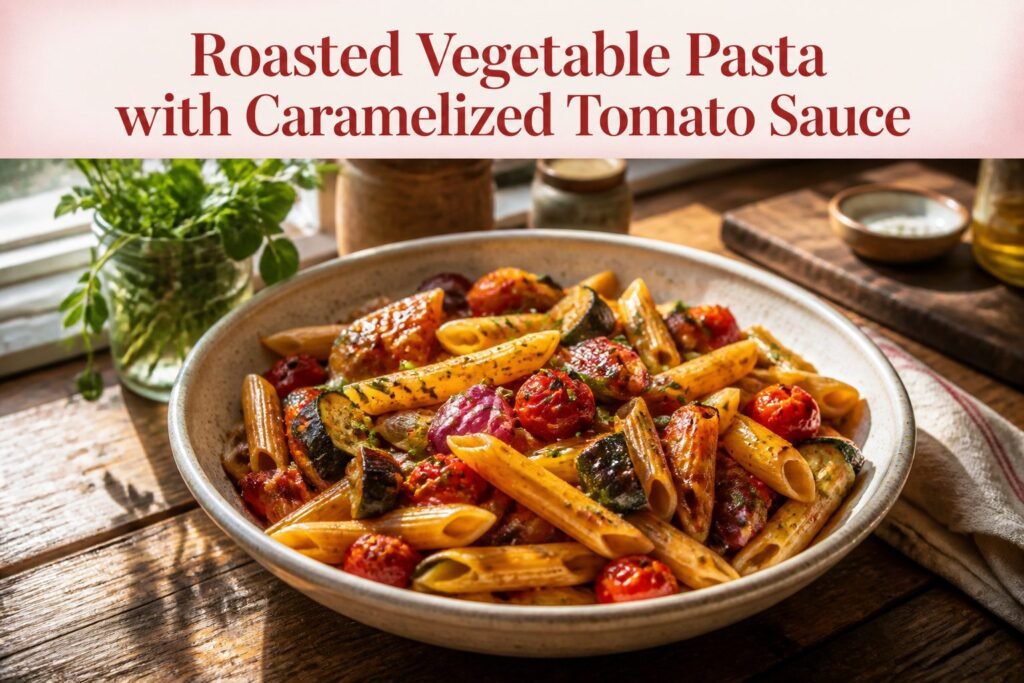
This roasted vegetable pasta tastes deeply sweet and jammy where the edges char, not just soft, because the tomatoes collapse into the sauce itself while everything roasts together at 450°F. The whole thing takes 45 minutes start to finish, and the only trick is not pulling the vegetables early; those collapsed centers are where the flavor concentrates, and they need the full 30 to 40 minutes to get there.
I make this when the crisper drawer is full of odds and ends that won’t last another day.
What This Is and When to Make It

The oven does the heavy lifting on the kind of night when standing at the stove feels like too much.
I set a sheet pan of vegetables in to roast while the pasta water comes up to a boil, and both things finish at roughly the same moment.
The vegetables collapse and sweeten in the high heat, edges turning jammy and deeply colored, and that transformation is what makes this worth the wait instead of just sautéing something quick in a pan.
Tossed with hot pasta and a splash of the starchy cooking water, the roasted vegetables become something more than a side dish.
The water and the vegetable juices make a light sauce that clings to every ridge of the pasta without needing cream or a long simmer on the stove.
It feeds four to six people comfortably, takes about 45 minutes start to finish, and reheats well for lunches the next day. The real draw is the crisper drawer: whatever is softening in there becomes fair game.
Recommended Products

13 X 9-INCH BAKE & ROAST PAN: Ensures a perfect bake every time for your favorite recipes, and it is the ideal size for a full box of cake, brownie, or other dessert mixes


Ingredients

The vegetables are the foundation here, so buy ones that feel heavy for their size.
Cut everything to a true 1-inch chunk; smaller pieces burn before the carrots soften, and larger ones never catch that roasty edge in the same pan as the tomatoes.
- 1 zucchini, cut into 1-inch pieces
- 2 bell peppers, any color, cut into 1-inch pieces
- 1 pint cherry tomatoes, left whole (they collapse into the sauce)
- 2 carrots, cut into 1-inch pieces
- 12 oz pasta; penne, whole wheat, or shells all work
- 3 tablespoons olive oil
- 1 teaspoon dried oregano
- ½ teaspoon ground cumin
- Salt and black pepper
For finishing, pick one path.
The pesto route is faster. The balsamic-sour cream mix takes two extra minutes and gives a sharper, tangier bite.
- ¼ cup prepared pesto, or 1½ tablespoons balsamic vinegar plus ¼ cup sour cream
- ¼ cup grated Parmesan
- Fresh basil leaves
- Shelled, unsalted pistachios, raw or lightly toasted, optional (they add good crunch against the soft vegetables, though the dish holds up fine without)
Recommended Products
Great for making a variety of delicious treats like bacon, jerky, dried fruits, crisp fries, veggies and more

CRISPY BAKING SHEET SET: Ensure crisp results every time in the oven. This 15 x 10.5-inch nonstick baking pan and wire rack is great for crisping bacon, chicken, wings, fries, chips, and much more

Our popular natural aluminum quarter sheet with a nesting, oven-safe and nonstick steel grid
Method

- Heat the oven to 450°F.
- Toss the cut vegetables with oil, oregano, cumin, salt, and pepper on a large sheet pan. Spread them in a single layer with room to breathe, or they steam instead of roast.
- Roast 30–40 minutes, turning every 10 minutes, until the edges char and the centers collapse. Those collapsed centers are where the sweetness concentrates, so don’t pull them early just because the edges look done.
- While the vegetables roast, boil the pasta in salted water until al dente, 7–8 minutes.
- Reserve 1 cup pasta water, then drain the pasta and return it to the pot.
- Add the roasted vegetables, the pesto or balsamic mixture, and enough pasta water to make everything cling. Start with a splash; you can always add more, but you can’t take it back.
- Toss over low heat for 1 minute to let the flavors marry.
- Serve with Parmesan, fresh basil, and pistachios if you want the crunch.
Recommended Products


Why Roasting Works

Vegetables lose moisture fast in a 425 or 450-degree oven, and that loss is what builds flavor.
Water steams vegetables from the inside and keeps sugars diluted; drive it out and the same natural sugars brown and char against the hot metal.
What looks like damage, the collapsed edges and black flecks on zucchini or a wrinkled tomato skin, is the point.
Soft vegetables like zucchini and tomatoes collapse instead of just softening, which means they sauce themselves. A roasted tomato at 450°F for 30 minutes bursts and reduces into something closer to jam than a fresh slice.
Zucchini in a 425-degree oven for 20 minutes gives up its spongy water content and turns silky, almost spreadable. Steaming or sautéing keeps too much liquid inside for that to happen.
Recommended Products
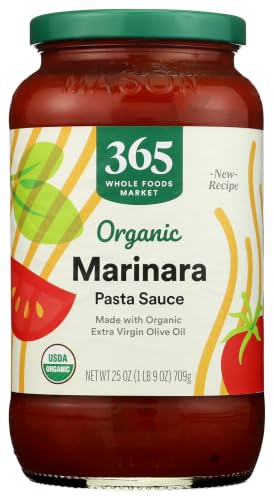
Organic marinara pasta sauce with no added sugar

Organic tomato basil pasta sauce with no added sugar

Organic Italian herb pasta sauce made with premium tomatoes
Pasta, Sauce, and Cheese Options

Short pasta with ridges or hollows grabs sauce better than long strands. Penne and shells catch bits of roasted vegetable and pooled sauce in every bite, while rotini’s twists do much the same without needing a spoon.
Whole wheat pasta adds a nutty depth that stands up to charred vegetables, though it takes a minute longer to reach al dente.
Tomato-based marinara is the obvious move, but olive oil barely sizzled with garlic and red pepper flakes lets the vegetables stay center stage.
A spoonful of balsamic vinegar stirred into sour cream makes a quick, sharp sauce that cuts through sweet caramelized onions or squash.
Mozzarella melts into stretchy pockets that glue everything together. A bagged three-cheese blend does similar work with less planning.
Parmesan stays granular and sharp, best grated over the top at the end so it keeps its salt punch rather than disappearing into the bake. I use both: melting cheese folded through, hard cheese on top.
Recommended Products

【FOODS GRADE MATERIAL & CLEANING METHOD】 Tired of those pasta machines that smell of metal or plastic? Sailnovo pasta machine is made of food-grade material, The blade attachment of this pasta maker machine shouldn’t be washed in water or put in the dishwasher. Residual moisture will affect the sharpness of the blade and shorten machine's lifespan. We suggest using a brush or wooden stick, or if you don't have one you can use a toothpick to remove any residual dough.

PREMIUM GRADE STAINLESS STEEL: Say goodbye to pasta machines with unpleasant metal or plastic odors. The Nuvantee pasta maker is crafted from 100% premium grade stainless steel.

Fante’s Cousin Elisa’s Cavatelli Maker: quickly forms and cuts authentic cavatelli with ideal shape and texture for everyday meals and entertaining
Meal Prep and Storage

Roasted vegetable pasta keeps three days refrigerated in a sealed container. That is the window that works, not a week, and the reason is the vegetables.
They already softened once in the oven; they soften further in cold storage, which means the texture changes but the flavor stays intact. I find the trade acceptable, though the dish is at its best the evening it is made.
Reheating demands a splash of water.
A covered skillet over medium heat works, or the microwave with a lid or damp paper towel to trap steam. Without that moisture, the pasta dries at the edges and the sauce tightens into something closer to paste than dinner.
Freezing is where this one fails. The pasta turns mealy, the vegetables lose whatever structure they had left, and the sauce separates in a way no amount of stirring fixes.
I have tried it once with a batch I convinced myself would be fine, and it was not. The refrigerator is the only storage play here.
Recommended Products

Easy Cleanup: The surface helps reduce baked-on residue, and the mats can go in the dishwasher once cool for convenient cleanup between batches
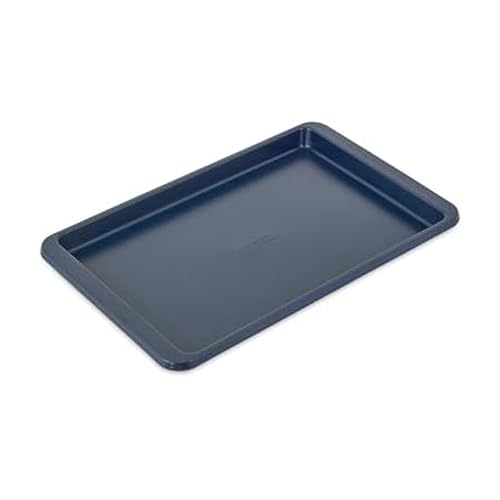
ULTIMATE BAKING VERSATILITY: Perfect for everything from cookies and bars to vegetables and meats, ensuring versatility in your kitchen.

What I Change by Season

The vegetables are what make this recipe worth returning to, but they do not all roast on the same timeline. Root vegetables like carrots, parsnips, and beets are dense and take longer to soften.
I add another 10 minutes to the oven time for those, and I cut them a little smaller than the summer stuff so the heat reaches the center before the edges scorch.
Spring vegetables move in the opposite direction. Asparagus and snap peas are mostly water and air; they collapse and go stringy if you push them too far.
I pull them out 10 minutes early and drop the oven to 425°F. The lower heat gives them time to pick up some color without turning to mush.
Summer squash and eggplant are the trickiest of the bunch. Their cell walls break down fast and they release so much liquid that they can steam themselves into a wet pile on the pan.
The fix is counterintuitive: cut them larger, not smaller. Bigger chunks hold their shape through the full roast, and the extra surface area still browns because those vegetables have so much of it to begin with.
The method stays the same. Only the vegetable and the clock change.
Recommended Products

✔️ WHY CHOOSE ALUMINUM FOR BAKING - Our 0.8mm thick aluminum roaster oven pan provides superior heat conduction, extra longevity and durability, on top of the corrosion and rust-resistant property of aluminum. The large nonstick rack is made from carbon steel with nonstick coating, the whole will resist baking safely at 450℉.
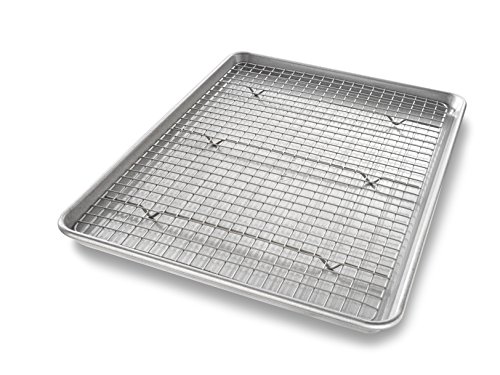
Classic half sheet pan and cooling rack for baking cookies and cakes or roasting vegetables; both are oven safe up to 450 degrees Fahrenheit
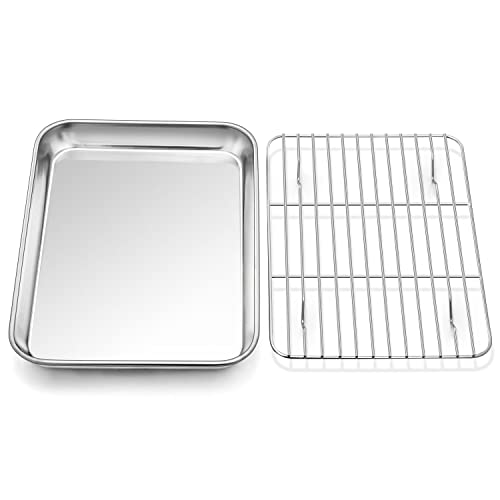
【HEALTHY】Both the toaster oven pan and wire rack are made of high quality stainless steel without any other materials or toxic teflon coating, Enjoy a healthier cooking time
Yield and Nutrition

This recipe serves 4 to 6 as a main dish, which lines up with most weeknight dinners around my table depending on whether anyone comes back for a heavier bowl.
The calorie count lands around 450 per serving when I make it with standard dried pasta, a couple of tablespoons of pesto, and a modest grate of Parmesan over the top. That figure shifts easily.
Loading up the sheet pan with more zucchini and peppers while keeping the pasta modest will pull the count lower, and I’ve done that plenty of times when the vegetable drawer is full. Extra cheese does the opposite.
I’ve never run this through nutrition software, and I wouldn’t trust the exact number if I did; home cooking varies by how generously you drizzle oil, how thick the layer of Parm, whether your pesto is the oil-packed sort from the refrigerator case or something thicker and more concentrated.
Treat the 450 as a useful midpoint, not a label.
Recommended Products


28-ounce can of organic fire-roasted crushed tomatoes

BEEF POT ROAST: Traditional beef soup with country vegetables and tender chunks of pot roast
Frequently Asked Questions
Recommended Products

Organic tomato sauce

One 8 ounce can of Tomato Sauce

One 24-ounce jar of Tomato, Basil & Garlic Pasta Sauce
Can I roast the pepper in the oven instead of over an open flame?
Yes.
Put the peppers on a baking sheet and roast them at 450°F for about 30 minutes. This method is built into the recipe already, since all the vegetables go into the oven together on one sheet pan.
What type of pistachios should I use?
Pick shelled, unsalted pistachios, either raw or lightly toasted. They add crunch against the soft vegetables, though the dish works fine without them.
How do I store leftovers?
Refrigerate leftovers in a sealed container for up to 3 days.
The vegetables soften further in cold storage, so the texture changes but the flavor stays intact. Add a splash of water when you reheat, either in a covered skillet or the microwave with a damp paper towel.
Is roasted vegetable pasta healthy?
It clocks in around 450 calories per serving with standard dried pasta, a couple tablespoons of pesto, and a modest grate of Parmesan. Loading the sheet pan with extra vegetables while keeping the pasta portion modest pulls the count lower.
How does Jamie Oliver make roasted vegetable pasta?
The recipe here roasts zucchini, bell peppers, cherry tomatoes, and carrots at 450°F for 30–40 minutes, then tosses them with hot pasta, starchy cooking water, and either pesto or a balsamic-sour cream mix.
What vegetables roast best for pasta?
Zucchini, bell peppers, cherry tomatoes, and carrots are the core group here.
Cherry tomatoes collapse into jam, zucchini turns silky, and peppers sweeten and char. Root vegetables like carrots need the full time; summer squash and eggplant do better cut larger so they do not steam themselves into a wet pile.
What is the single ingredient you need for the crisper roasted vegetables?
High, dry heat. A 450°F oven drives out moisture fast so natural sugars brown and char instead of steaming the vegetables from the inside.
Spreading the pieces in a single layer with room to breathe matters just as much; crowding traps steam and prevents that crisp, roasty edge.