
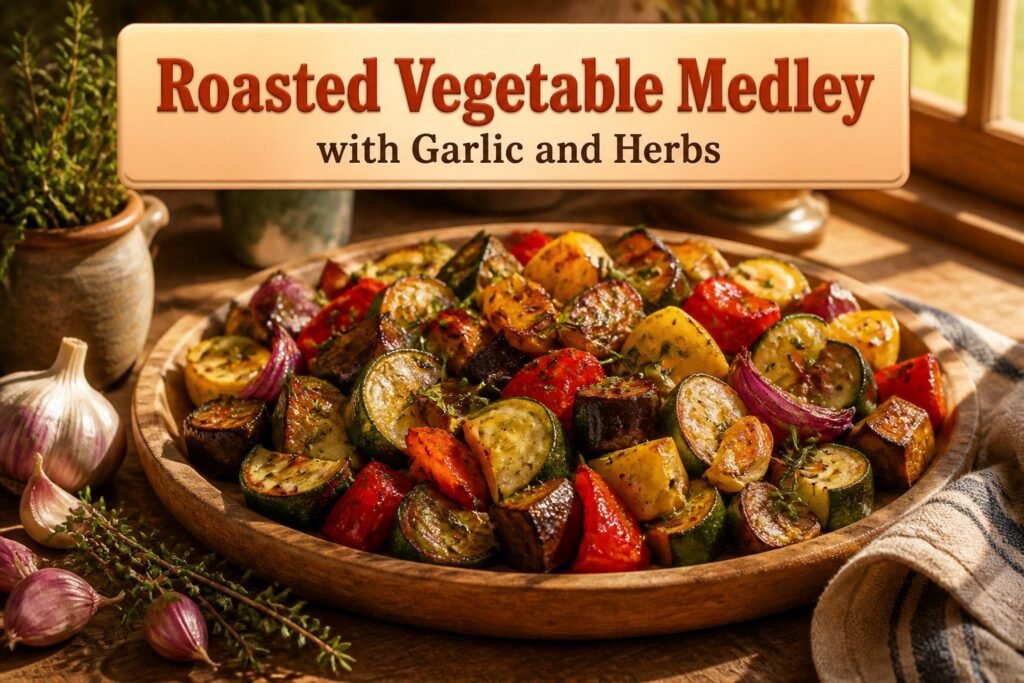
Roasted vegetables here taste deeply savory with caramelized edges and sweet garlic, and the single base of zucchini, squash, eggplant, pepper, onion, and garlic turns into twelve different meals depending on what you add after.
Total time runs 30 to 60 minutes based on density.
Timing is the only hard part: starchy roots need 450°F and a full hour, while summer vegetables collapse at that heat and want 400°F for half as long.
Cut everything to one inch, keep the pan uncrowded, and stir once at the halfway mark.
Ingredients

The roasted vegetable base stays the same across every variation, so I keep a standing mise en place of 2 zucchini, 2 yellow squash, 1 eggplant, 1 green bell pepper, 1 red onion, and 6 garlic cloves, all cut to 1-inch pieces, tossed with ¼ cup olive oil, salt, pepper, and ½ teaspoon chili powder before a 400°F roast.
From that base, here is what each variation needs:
- Farro salad: 1 bulb sliced fennel, 1 small zucchini, 2 pints cherry tomatoes, and 4 tablespoons olive oil added to the base; toss with 8.8 oz quick-cooking farro cooked in 4 cups vegetable broth, 2 tablespoons Parmesan, marinated mozzarella balls, 2 tablespoons basil, and juice of 1 lemon
- Panzanella: 2 cups halved Brussels sprouts and 1 large cubed sweet potato roasted alongside the base; cube day-old bread and toss with the vegetables
- Chili: the base goes into a pot with 3 cups chicken broth, 1 (14 oz) can drained diced tomatoes, 1 (14 oz) can tomato sauce, juice of 2 limes, 1 teaspoon honey, 3 teaspoons additional chili powder, cayenne, hot sauce, white pepper, 1 teaspoon cumin, 1 (14 oz) can drained white beans, 1 (14 oz) can drained kidney beans, plus a slurry of 1 tablespoon cornstarch and ¼ cup water
- Hummus: 2 cups of the roasted vegetable base measured out after roasting; blend with 2 cups garbanzo beans, 3 garlic cloves, ½ cup sesame tahini, 3 teaspoons cumin, 3 tablespoons kalamata olives, 4–5 tablespoons olive oil, 1½ teaspoons salt, and ¼ teaspoon cayenne
The remaining eight variations work from the same roasted base with no additional vegetables beyond what goes on the sheet pan.
Recommended Products
Great for making a variety of delicious treats like bacon, jerky, dried fruits, crisp fries, veggies and more


INGENUITY DIAMOND TEXTURE - The cookie sheet pan set has a diamond texture on the base increases its non-stick properties and ensures even and quick heat airflow to the cookie, which makes the cookies consistently baked without any over or undercooked parts.
Method

- Preheat your oven to 400°F or 450°F before you prep anything. Which temperature depends on the vegetables: starchy roots and winter squash take the hotter oven, while quicker-cooking summer vegetables do better at the lower end.
- Cut your vegetables to a consistent size so they finish at the same time. Toss them with olive oil, salt, and whatever seasonings the finished dish needs. Spread them in a single layer with some room to breathe. Crowding steams instead of roasts.
- Roast until tender and browned at the edges. Dense vegetables like sweet potatoes or carrots need 40 to 60 minutes; softer ones like zucchini or bell peppers finish in 20 to 30. Stir once about halfway through for even color.
- For salads, soups, and pilafs, let the roasted vegetables cool slightly before folding them in. For the panzanella, toss the cornbread cubes separately with oil and rosemary, then bake 10 to 15 minutes at 400°F until toasted. For the horseradish sauce, drain the yogurt on paper towels for 5 minutes before mixing in horseradish and salt, then chill while vegetables roast.
- Minestrone and chili get built from here: add broth, tomatoes, beans, and aromatics to the roasted base and simmer until the flavors meld. The torte layers cooled vegetables with cheese in a baking dish and gets a second bake. Hummus blends roasted vegetables into the chickpea mixture for color and sweetness.
Recommended Products
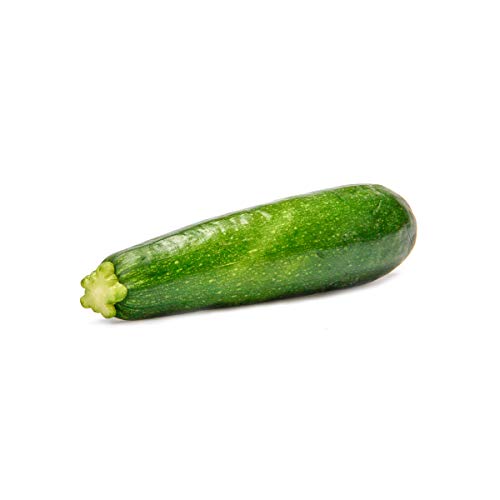
1 Count of Fresh Zucchini Squash Summer Squash Fresh and Flavorful Grown in Mexico
Cooking Techniques

Heat does something to vegetables that no other method quite matches. Above 300°F, the natural sugars start to brown and develop new, deeper flavors; by 400°F, that caramelization happens fast enough to finish in 30–40 minutes without drying the vegetables out.
You can push to 450°F for a darker, more intense edge, though you’ll want to watch more carefully.
The source recipes show how much timing shifts with what’s on the sheet.
Onions, carrots, and fennel go 20 minutes before Brussels sprouts join for another 20; sweet potatoes, Brussels sprouts, red onion, and zucchini together need a full 40. Density is the reason.
A sweet potato cube holds more moisture than a zucchini slice and takes longer to soften and color. Cut size matters too: smaller pieces expose more surface area, so they cook faster and brown harder.
Keeping pieces roughly uniform, as both recipes suggest when they have you toss everything together, prevents the smallercut from burning while denser chunks still steam in their centers.
The 20–60 minute window covers most vegetables you’ll find at a standard grocery store. Start checking at 20 minutes for quick-cooking cuts, and expect the full hour only when you’re working whole beets or similarly dense roots left in large pieces.
Recommended Products
Gourmet Roasted Garlic Infused Oil Blend : Crafted with slow-roasted garlic, rosemary, and thyme, this garlic infused oil blend delivers bold, savory flavor for sautéing, drizzling, and marinades.

Try it drizzled over cold pasta salads, or enhance your homemade tomato sauce with aromatic herbal notes

Endless Cooking Possibilities: From salad dressings to high-heat cooking, this garlic-infused oil is the perfected infusion of fresh, aromatic garlic into organic sunflower oil. Can also use as a dipping oil!
Ingredient Variations

Zucchini is the first thing I drop when summer fades and decent ones disappear from the store.
Doubling up on bell peppers or eggplant keeps the sheet pan full without changing anything else about the method, since all three cut to ¼-inch slices and roast through in the same window.
Red onion stays year-round; it is the backbone that holds its shape while everything around it softens.
Carrots and fennel can start together, and Brussels sprouts go in midway if you want them. The timing builds itself: denser roots take their head start, quicker vegetables join later, and nothing needs a separate tray.
That same logic works for butternut squash or sweet potatoes in cooler months. Parmesan finishes the pan, though soft herbed goat cheese on top works when the cheese drawer holds that instead.
Protein turns the side into dinner without touching the core recipe. Roasted chicken or salmon added to the same meal keeps the single-pan appeal.
The method does not break because the vegetables still want 400 degrees, still want space on the sheet, still finish when they sag slightly and color at the edges.
Recommended Products
#1 Brand Pick for Meal Prep Containers: Bentgo is the top pick for meal prep containers!* This lightweight, portable 20-piece set includes tennmnnmake portioning easy to support balanced, healthy meal plans. Clear, stackable lids help keep food fresh and organized in your fridge or pantry.

STAINSHIELD PLASTIC: Rubbermaid Brilliance meal prep containers are designed with premium StainShield plastic, and have crystal-clear lids and bases so it's easy to see inside—plus they're stain- and odor-resistant, helping them stay looking like new
✅ Corn Starch-Based Plant Containers & Lids: Set includes 50 containers and 50 matching lids. Odor-Free Lunch Box! Made from 40% plant-based cornstarch and food-grade PP, these food storage containers reduce plastic waste by 40%. Ideal for eco-conscious homes and businesses seeking sustainable alternatives.
Serving Suggestions

Roasted vegetables earn their keep by fitting wherever you need them. A batch on Sunday carries through the week in entirely different directions.
Toss them with farro, one of those old wheat varieties that cook up nutty and chewy, and dinner holds until breakfast.
The farro in that hearty salad takes anywhere from 10 to 45 minutes depending on what the store stocks, which is worth checking before you commit to the pot.
Grain applications run wider than that. Crispy quinoa, toasted in a skillet with olive oil, builds a meal around the edges of the roasted flavors.
Bread works too. I have cornbread panzanella on repeat in late August, when roasting turns sweet corn and peppers into something that can stand up to the bread without dissolving it.
Soups absorb leftovers cleanly. Wild rice pilaf gains heft when roasted vegetables get stirred in at the end, still firm from the oven.
A true minestrone, thick with potatoes and beans instead of the usual pasta, needs nothing more than your leftover vegetable bowl simmered into broth. Kale wilts in, Parm shaves over the top.
Hummus spreads onto a plate, warm vegetables pile onto the center, and the whole thing eats like a composed dish with almost no work.
Recommended Products
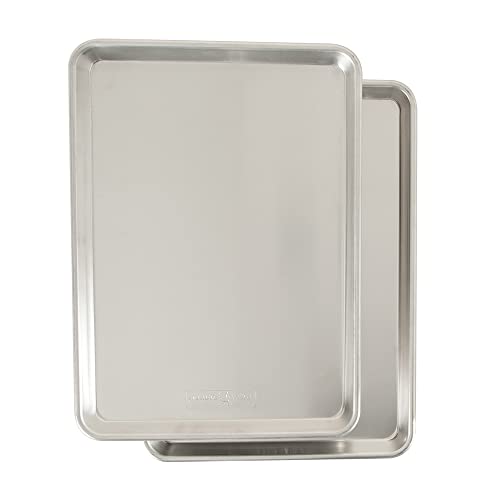
Naturals bakeware is made of pure aluminum for superior heat conductivity and produces consistently evenly browned baked goods every time.

QUALITY LARGE BAKING SHEET: Ensures a perfect bake every time for larger batches of your favorite recipes, from cookies and other desserts to sheet pan dinners

What Works and What Does Not

Most recipes for roasted vegetables focus on oven temperature and timing without addressing the texture problem that ruins dinner: soft, watery pieces that steam instead of roast.
Dense vegetables cut to uniform thickness keep their structure, while mixes of fast-cooking and slow-cooking produce on the same tray guarantee that something ends up mushy by the time the rest is done.
Storage practices matter more than the roasting itself. Leftovers keep 3 to 4 days refrigerated, but reheating quality splits sharply by composition.
Combinations with squash or sweet potato turn wet and grainy in the microwave. Sturdy vegetables like carrots, parsnips, and Brussels sprouts recover their edges in a hot skillet or 425°F oven in 8 to 10 minutes.
Mixed trays with tomatoes or zucchini incorporated during the initial roast become unpleasant after even one reheat: the water they release breaks down neighboring pieces.
Frequently Asked Questions
Recommended Products
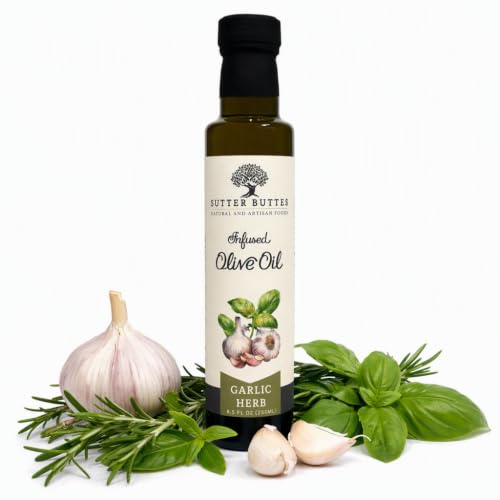
SUTTER BUTTES GARLIC HERB INFUSED OLIVE OIL 8.5 FL. OZ.

Classic blend of garlic, wine, extra virgin olive oil, herbs and spices
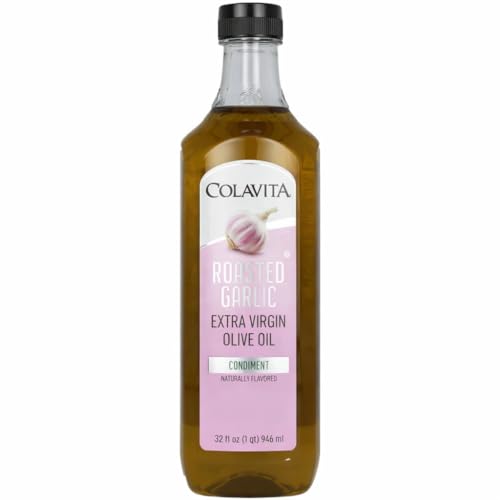
ROASTED GARLIC INFUSION: Cold pressed extra virgin olive oil blended with natural roasted garlic essence for a rich, mellow flavor that enhances everyday cooking.
What are some good roasted vegetable recipes?
A roasted vegetable base of zucchini, yellow squash, eggplant, bell pepper, red onion, and garlic turns into farro salad, cornbread panzanella, minestrone, chili, hummus, wild rice pilaf, torte, or a composed plate with warm vegetables over hummus spread.
Each variation keeps the same roasted base and builds around it with grains, bread, broth, or beans.
How do you roast vegetables?
Preheat to 400°F or 450°F depending on density: starchy roots need the hotter oven, summer vegetables the lower.
Cut to uniform size, toss with olive oil and salt, spread in a single layer with breathing room, and roast until tender and browned at the edges.
Stir once about halfway through. Dense vegetables take 40 to 60 minutes; softer ones finish in 20 to 30.
What vegetables are best for roasting?
Zucchini, yellow squash, eggplant, bell peppers, red onion, and garlic form a reliable base that all finish in the same window.
Carrots, fennel, sweet potatoes, Brussels sprouts, and butternut squash also roast well; just give denser roots their head start or a hotter oven. Red onion holds its shape year-round and anchors the mix.
What is the secret to roasting vegetables?
Space on the pan is what separates roasting from steaming. Crowding traps moisture and leaves vegetables soft and watery instead of browned at the edges.
Cut to consistent thickness so nothing finishes mushy while another piece still steams in its center. Uniformity of size matters more than exact shape.
What are the best seasonings for roast vegetables?
Salt, pepper, and olive oil are the foundation. The base recipe adds ½ teaspoon chili powder.
From there, match the seasoning to the finished dish: rosemary for cornbread panzanella, basil and lemon for farro salad, cumin and cayenne for chili and hummus, or hot sauce and white pepper for a spicier pot.
Parmesan or soft herbed goat cheese finishes the pan.